
Wheelchair restraints recall 26V482000 affects certain 2025 Frontrunner transit buses, according to the public NHTSA campaign record. The agency says wheelchair retractors may not lock, which can prevent a wheelchair from being properly secured during transit. Frontrunner will work with Q’Straint to inspect and replace the retractors free of charge.
This Navyago explainer is written from the NHTSA campaign API and public recall lookup, not from a social post or an unverified complaint thread. The article stays inside the official record: it explains the affected vehicle description, the adaptive mobility component, the safety consequence, the remedy, the owner-notification timing, and practical owner steps without adding unsupported claims about injuries, crashes, liability, or defect rate.
Wheelchair restraints recall: what NHTSA says
The source record for campaign 26V482000 names Frontrunner Bus Group, Inc. as the recalling manufacturer. The component field is listed as adaptive or mobility equipment, with the more specific area identified as wheelchair restraints, securement, and critical fasteners. NHTSA’s summary says Frontrunner is recalling certain 2025 Frontrunner transit buses because the retractors may not lock.
The consequence field is short, but it is important. NHTSA says an unsecured wheelchair can move during transit, increasing injury risk. Navyago is not adding an accident count because the campaign API used for this article does not state one. It is also not saying every Frontrunner bus has the issue. The verified claim is narrower: certain 2025 Frontrunner transit buses are included in campaign 26V482000 because the wheelchair securement retractors may not lock.
For recall managers, the wheelchair restraints recall should be tracked by campaign number before any bus is treated as cleared. The public record lists 24 potential units affected. That is a small number compared with many passenger-vehicle recalls, but the usage context changes the practical meaning. A transit bus may carry many riders over time, and a securement system is part of the safety chain for people who travel in wheelchairs or other mobility devices.
Wheelchair restraints recall: affected Frontrunner buses
NHTSA returns one model-year entry for campaign 26V482000: 2025 Frontrunner Frontrunner transit buses. The source does not list a longer model range, a passenger-car platform, or unrelated equipment. The relevant part of the vehicle is the wheelchair restraint and securement system, specifically retractors that may not lock as expected.
Owners should treat the wheelchair restraints recall model-year description as a starting point, not as a final VIN decision. Vehicle recalls are applied through specific records, build information, and equipment configuration. A fleet may own several vehicles that look similar on paper, while only some are included in a campaign. The official path is to check each VIN through NHTSA or the manufacturer and keep a record of the result.
For fleet operators, this is also a documentation issue. A paratransit, shuttle, community transport, campus transport, medical transport, or public-agency fleet should map every potentially affected vehicle to its VIN, service location, maintenance file, and assigned route or duty. That does not prove the vehicle is affected; it creates a reliable checklist so the official recall status can be verified without relying on memory.
Why the wheelchair restraints recall risk matters
A wheelchair securement system is not a convenience accessory. It is part of how a rider and mobility device remain stable while the vehicle is moving, braking, turning, or entering uneven road conditions. If a retractor does not lock, the restraint may fail to hold the wheelchair as intended. NHTSA describes the consequence in direct terms: an unsecured wheelchair can move during transit and increase injury risk.
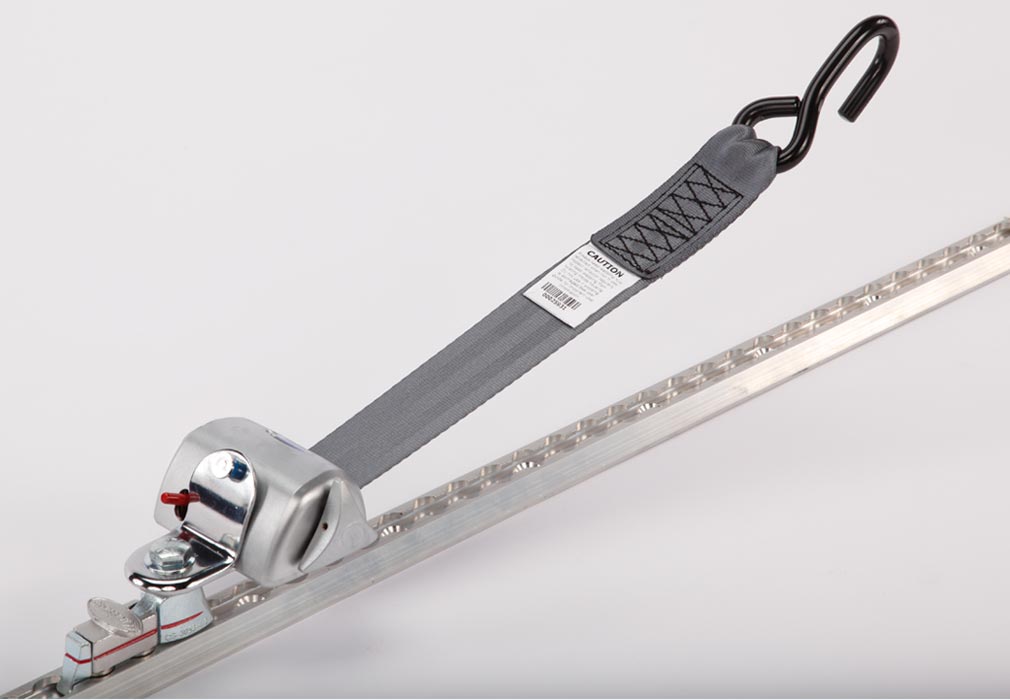
The wheelchair restraints recall risk can involve several people, including the wheelchair user, an attendant, a driver, and other passengers. The source does not say injuries occurred, so this article does not claim that. The public-interest point is still clear: a restraint that may not lock belongs in a safety workflow before the bus is treated as fully cleared for service.
Clear wording matters because recall coverage can easily become broader than the source. The verified safety issue is the possible failure of the retractors to lock. The remedy is inspection and replacement through Frontrunner and Q’Straint. Anything beyond those fields, such as fault allocation, lawsuit predictions, or real-world incident history, would require a separate source and is not included here.
Wheelchair restraints recall: seven owner and fleet steps
First, identify potentially affected buses. Start with 2025 Frontrunner transit buses in the fleet. Record the VIN, fleet number, current location, route assignment, and maintenance contact. The NHTSA model description is not enough by itself, but it tells owners where to begin.
Second, check the official recall status. Use the NHTSA recall lookup and the campaign number 26V482000. If the VIN status is unclear, contact Frontrunner customer service or the dealer/service channel handling the bus.
Third, notify maintenance and operations teams. Dispatchers, drivers, maintenance supervisors, accessibility coordinators, and safety officers may all touch the same vehicle record. A recall note should be visible to the people who decide when the bus is used and when it is serviced.
Fourth, schedule the inspection. The remedy says Frontrunner will work with Q’Straint to inspect and replace the retractors free of charge. Owners should ask what records, vehicle access, and equipment details are needed for the inspection appointment.
Fifth, document any replacement. If retractors are replaced, keep the date, service provider, campaign number, and repair paperwork in the vehicle maintenance file. For a fleet, a central spreadsheet or maintenance system note can prevent the same bus from being checked repeatedly while another bus is missed.
Sixth, communicate carefully with riders and staff. Do not overstate the campaign as a confirmed injury event if the source does not say that. A clear message can say that NHTSA has listed a recall for certain 2025 Frontrunner transit buses because wheelchair retractors may not lock and that the operator is checking affected vehicles.
Seventh, recheck after owner letters arrive. NHTSA says owner notification letters are expected to be mailed August 3, 2026. A mailed notice can help confirm contact details, service instructions, and any update that was not visible in the first public API record.
Wheelchair restraints recall remedy and free replacement
The wheelchair restraints recall remedy listed by NHTSA is practical and specific. Frontrunner will work with Q’Straint to inspect and replace the retractors, free of charge. The source does not provide a separate labor-time estimate, inspection checklist, parts shortage note, or dealer bulletin text in the fields available through the public campaign API.
Owner notification letters are expected to be mailed August 3, 2026. That timing matters because some owners may find the NHTSA campaign record before receiving a direct letter. Fleet owners should not assume a missing letter means there is no recall. The safer source-based approach is to check campaign 26V482000 by VIN and confirm directly with Frontrunner when needed.
The NHTSA remedy field lists Frontrunner customer service at 1-800-886-9247. Owners can use that number to ask whether a specific vehicle is included, how the inspection will be arranged, and how the free replacement process will be documented. If the bus is maintained by a third-party service shop, the fleet should also make sure that shop receives the campaign number and source link.
Wheelchair restraints recall documentation for fleet operators
For fleet operators, the safest paperwork trail for the wheelchair restraints recall starts with the campaign number. A maintenance file should list 26V482000, the VIN checked, the date the NHTSA or manufacturer lookup was reviewed, the person who reviewed it, and the service contact used for the next step. That record does not replace the official recall lookup; it helps the fleet prove that the lookup happened.
If a vehicle is included, the file should also record the inspection appointment, the Q’Straint or Frontrunner repair instruction received, the work order number, and whether retractors were replaced. If a vehicle is not included, keep the source result and date anyway. Similar buses can move between routes, depots, or contractors, and a written result lowers the chance that the same question has to be rebuilt later from memory.
Drivers and attendants should receive a plain-language note that matches the source. A source-safe note can say that certain 2025 Frontrunner transit buses are under a wheelchair restraints recall because wheelchair retractors may not lock, and that the fleet is checking campaign 26V482000 and completing the free inspection or replacement where required. It should not say NHTSA reported injuries or a stop-driving order, because those claims are not in the campaign fields used here.
The owner-letter timing also belongs in the record. NHTSA lists owner notification letters as expected on August 3, 2026, so a fleet can set a follow-up reminder after that date to compare mailed instructions with the earlier API record. If the letter includes updated service directions, the fleet should follow the direct manufacturer instructions and keep the updated document with the bus maintenance file.
Wheelchair restraints recall questions riders and families can ask
A rider or family member may not control the vehicle maintenance file, but they can still ask source-based questions. The most useful question is not whether every bus is unsafe. It is whether the operator has checked campaign 26V482000 against the specific vehicle or fleet group that may use the Q’Straint retractors described in the recall record.
For a school, medical, community, or paratransit trip, a reasonable question is: has this vehicle been checked under the wheelchair restraints recall, and if it was included, has the free inspection or replacement been completed? That wording keeps the conversation tied to NHTSA’s campaign record without accusing a driver, contractor, or maintenance team of ignoring the recall.
Families can also ask who will receive the owner notice and who tracks completion. In some transit settings, the rider books the trip with one organization while another contractor owns or maintains the bus. A clear answer should identify the fleet contact, not just say that recalls are handled somewhere else.
If the answer is uncertain, the next step is documentation rather than argument. Record the date, the bus or fleet number if visible, the name of the organization, and the response received. Then ask the operator to confirm the VIN through NHTSA or Frontrunner. This keeps the wheelchair restraints recall conversation practical and source-based.
Wheelchair restraints recall flags: what NHTSA does not say
The public API record for campaign 26V482000 lists parkIt as false, parkOutSide as false, and overTheAirUpdate as false. In plain language, the source used here does not label this as a park-it instruction, does not tell owners to park outside, and does not describe the remedy as an over-the-air software update.
Those wheelchair restraints recall flags should not be misread as permission to ignore the recall. They only clarify what the API record does and does not mark. The actual source-based action remains the same: identify potentially affected 2025 Frontrunner buses, check VIN status, contact Frontrunner if needed, and complete the free inspection and replacement process when the vehicle is included.
This is also why Navyago does not add a broad “stop driving” instruction. That would be a serious operational statement for transit providers, and it is not in the NHTSA fields used for this article. Owners should follow the official recall instructions and any direct manufacturer guidance they receive.
Why this is a public-interest recall
Accessibility equipment recalls can affect more than the legal owner of a vehicle. A rider who uses a wheelchair may never see the title paperwork for a transit bus, yet the securement system directly affects that rider’s trip. A driver may operate the equipment every day, while a maintenance manager handles recall paperwork. That split makes clear source-based communication valuable.
The same pattern appears in other transport-safety coverage. Navyago recently covered the wheelchair lift electrical contactor recall 26V472000, another adaptive mobility equipment campaign with a narrow official source record. The details differ, but the reader task is similar: identify the campaign number, confirm whether a vehicle is included, and complete the listed free remedy.
Public-interest value also comes from the narrow scope of the source. The NHTSA record does not ask readers to guess about every transit bus, every wheelchair securement product, or every Q’Straint installation. It gives a campaign number, a manufacturer name, a model-year description, a safety consequence, and a remedy path. That limited structure is useful because it tells owners what can be verified now and what should wait for VIN-level confirmation.
For riders, the wheelchair restraints recall is a reminder that accessibility equipment is part of transportation safety, not a side detail. A wheelchair securement issue can affect whether a trip feels reliable, whether a caregiver trusts the route, and whether a fleet can explain its safety process in plain language. Those concerns are practical even when the potential unit count is small.
For operators, this kind of recall should be handled as a communication workflow as much as a repair workflow. The maintenance team may handle the inspection, but dispatchers, customer-service staff, and program coordinators may receive the first questions from riders or families. Giving those teams a short source-based answer helps prevent either silence or overstatement.
For small fleets, the main risk is often administrative drift. A recall can be public before the right person in the organization sees it. A simple wheelchair restraints recall tracking note can close that gap: campaign number, source URL, VIN status, Frontrunner contact date, inspection date, replacement result, and final closeout. That is the kind of repeatable owner step that turns a source record into a safer operating process.
FAQ
What is wheelchair restraints recall 26V482000?
It is an NHTSA recall for certain 2025 Frontrunner transit buses because wheelchair retractors may not lock as intended.
How many vehicles may be affected?
The NHTSA campaign record lists 24 potential units affected.
What safety risk does NHTSA describe?
NHTSA says an unsecured wheelchair can move during transit, increasing the risk of injury.
What is the remedy for this recall?
Frontrunner will work with Q’Straint to inspect and replace the retractors free of charge.
When are owner notification letters expected?
NHTSA says owner notification letters are expected to be mailed August 3, 2026.
Sources and citation
This article is based on the public NHTSA campaign API for 26V482000. Navyago uses the official manufacturer, campaign number, report-received date, component, potential unit count, summary, consequence, remedy, owner notification timing, customer-service contact, and API flags. It does not add unsupported claims about crashes, injuries, litigation, compensation, defect rate, negligence, or the condition of any individual bus.
Primary source: NHTSA campaign API for 26V482000. Public lookup: NHTSA recall lookup for 26V482000. VIN lookup: NHTSA recalls by VIN. Image source: Q’Straint QRT-1 Series product page, using its official QRT Standard product image as manufacturer context.