
NHTSA pedestrian safety ratings give 2027 car shoppers a new way to compare how a vehicle may reduce injury risk to people outside the car. The rating should be checked on the exact NHTSA model page, then weighed beside crash ratings, crash avoidance features, trim equipment, and any open recall search before purchase.
Why check NHTSA pedestrian safety ratings before a test drive
According to the National Highway Traffic Safety Administration, the first pedestrian protection assessments for model year 2027 vehicles were released on September 18, 2026. NHTSA said 102 vehicle models from 10 manufacturers met the new performance criteria in the first group of results. For shoppers, the important point is not only the headline number. It is that pedestrian protection is now visible inside the public 5-Star Safety Ratings program where buyers already compare crash and safety information.
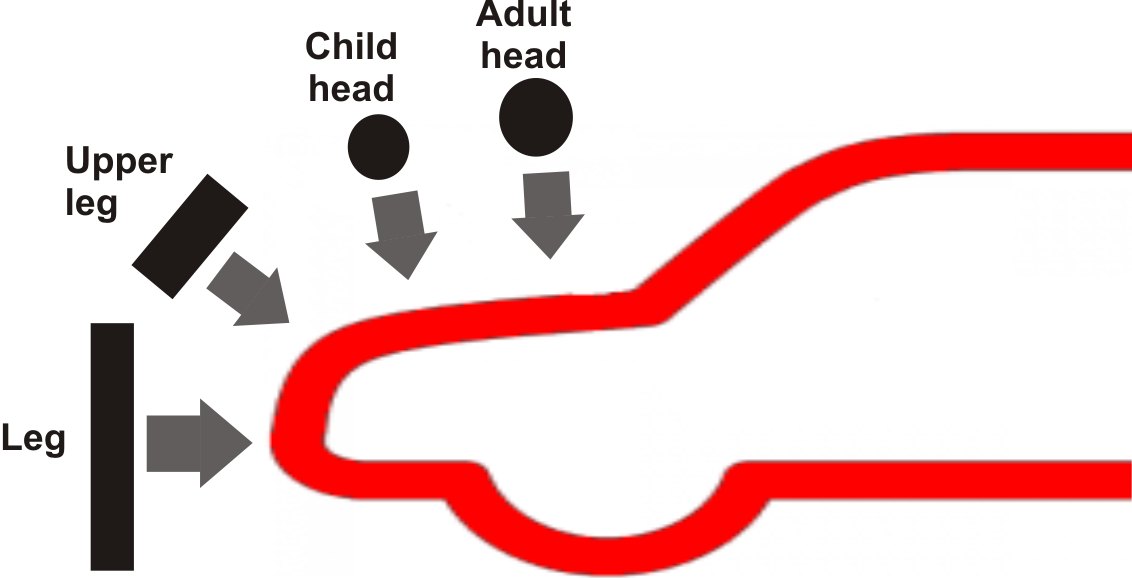
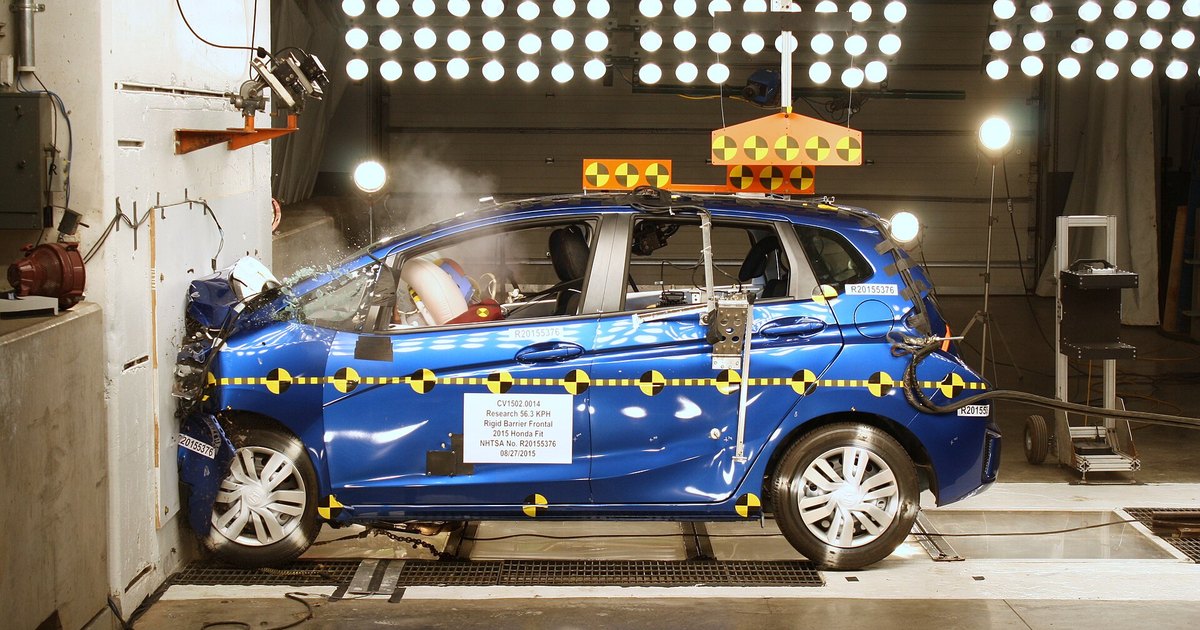
The new line item matters because many families shop for crossovers, sedans, vans, and trucks in places where people walk close to vehicles. School drop-offs, apartment parking lots, grocery entrances, night driving, and residential turns all create moments where a vehicle front can affect injury severity if a crash occurs. A federal pedestrian result cannot make a vehicle harmless, but it can help a buyer ask better questions before choosing between similar models.
A useful way to treat the rating is as a pre-purchase checkpoint. Before a test drive, save the official model page, note the displayed status, and bring that record into the dealer conversation. After the drive, compare the result with visibility from the driver’s seat, braking feel, lighting, parking-lot confidence, and the actual equipment on the window sticker.
This reworked Navyago explainer focuses on the buyer workflow rather than repeating a full technical overview. The source facts remain NHTSA’s release and ratings destination: the program begins with model year 2027 listings, the public page uses a yellow-box pedestrian protection signal, and the agency describes tests involving head, hip, leg, and knee injury measures. The practical question is how to use that signal without overreading it.
Seven questions to ask before relying on a pass
1. Am I looking at the exact model year? The pedestrian category discussed by NHTSA applies to model year 2027 information. A similar 2026 nameplate, a redesigned 2028 vehicle, or an older used model should not be treated as if it automatically carries the same result. Start with the exact year, make, model, and body style on the NHTSA ratings page.
2. Does the page show pass, fail, pending, or not submitted? NHTSA says the vehicle ratings page will use a yellow box for the new pedestrian protection status. A pass means the listed model met the criteria in that record. Pending or not submitted means a shopper should not fill the gap with dealer language, brand reputation, or social media summaries.
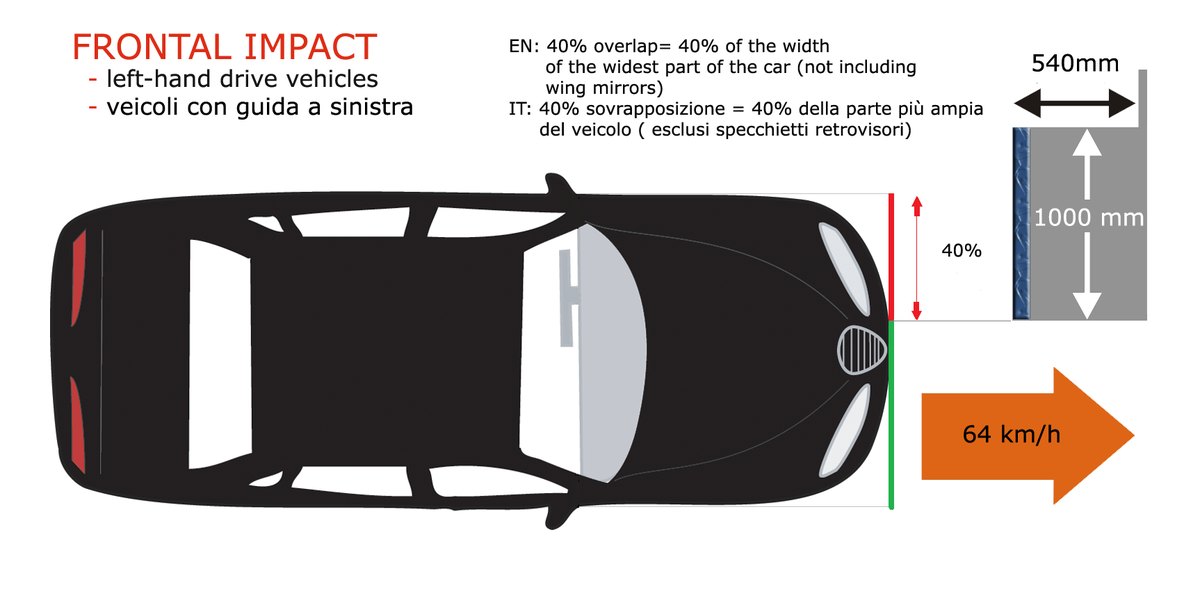
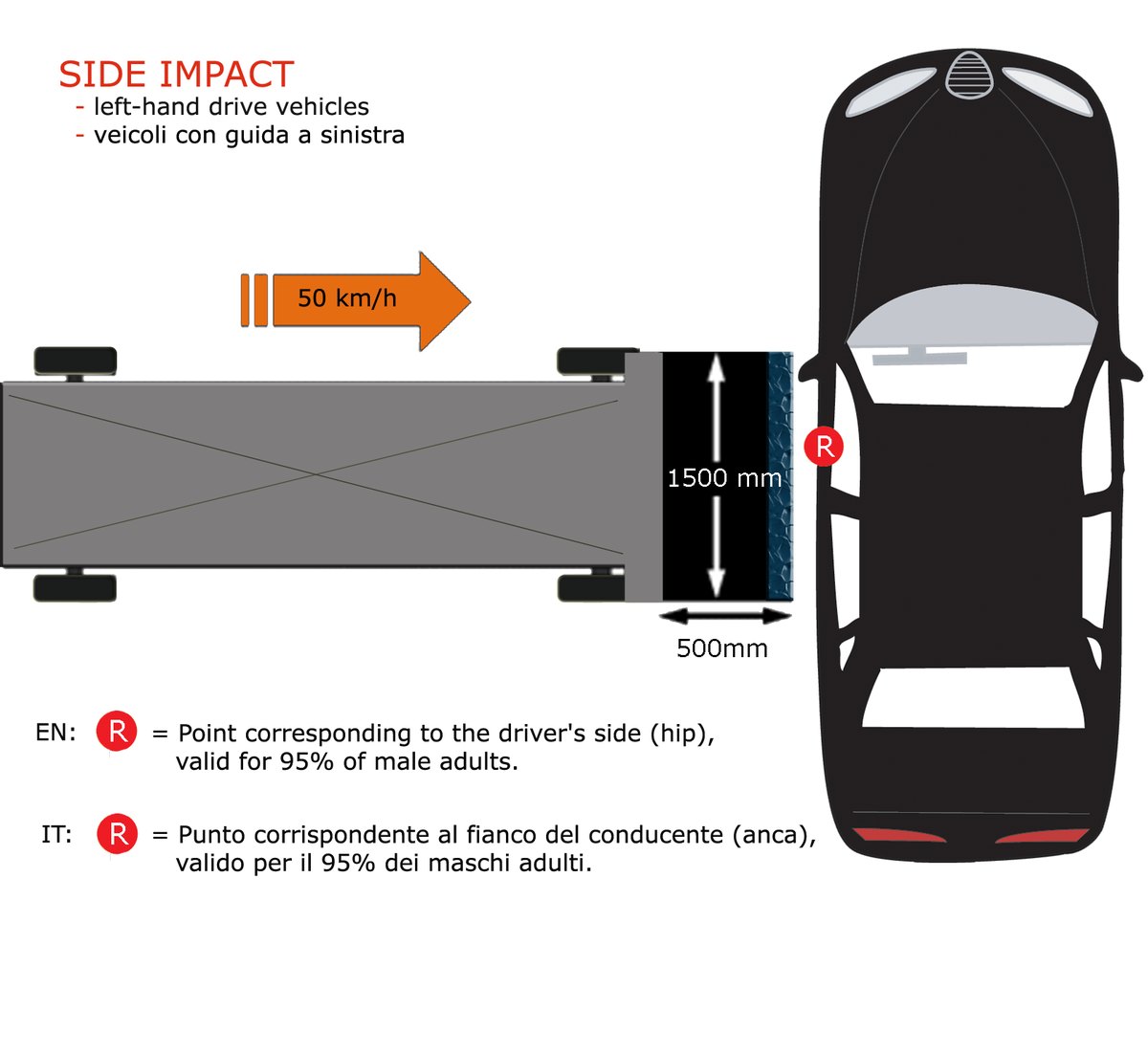
3. What other safety data appears on the same model page? Pedestrian protection is one safety signal. Frontal crash, side crash, rollover, and crash avoidance information still matter. A buyer comparing two vehicles should read the pedestrian line next to the rest of the safety record, not as a replacement for it.
4. Which features are standard on the actual trim? Safety technology can vary by trim or package. Pedestrian automatic emergency braking, blind spot warning, lane keeping assist, lighting, camera systems, and parking sensors may be standard on one trim and optional on another. The NHTSA page, manufacturer build sheet, and window sticker should match the vehicle being purchased.
5. Is the result about crash protection or crash avoidance? NHTSA pedestrian safety ratings focus on injury risk measurements in specified pedestrian impact tests. Pedestrian automatic emergency braking is different: it is designed to help avoid or reduce a collision. Both can matter, but they answer different questions.
6. Has anything changed since the first listing? NHTSA’s first release gave an inaugural set of results, not a permanent market ranking. Model pages can be updated as information is added. Before signing paperwork, check the live NHTSA rating record rather than relying on a saved screenshot or a dealer printout.
7. Have I also checked recalls? Ratings compare safety design and technology. A recall search checks whether a specific vehicle has an open safety defect remedy. Navyago’s Freightliner headlight recall guide shows why owner remedy steps are a separate task from rating comparison.
How to read the yellow-box status
A yellow-box pass should be read as a confirmed result for the specific model record displayed by NHTSA. It does not promise that every crash will be survivable or minor. It means the vehicle met the agency’s pedestrian protection criteria for the listed assessment.
A fail is also useful information, but it should be interpreted carefully. It does not mean the whole vehicle is unusable, and it does not identify every real-world risk. It tells the shopper that the model did not meet the listed pedestrian protection criteria, so the buyer should compare alternatives and ask whether the automaker has a redesign, update, or separate explanation.
Pending means the result is not complete or not posted yet. If the vehicle is still under consideration, the cleanest approach is to check back before purchase. Not submitted means the page does not have a submitted result for that model. In both cases, the safest shopping habit is to treat the missing result as unknown, not as positive or negative proof.
What to ask the dealer before you buy
Bring the NHTSA page into the conversation. Ask the dealer to confirm the exact year, make, model, trim, drivetrain, and body style. Then ask whether the safety features shown in the brochure are actually installed on the vehicle in front of you. A buyer should not assume that a family of vehicles has identical equipment across every trim.
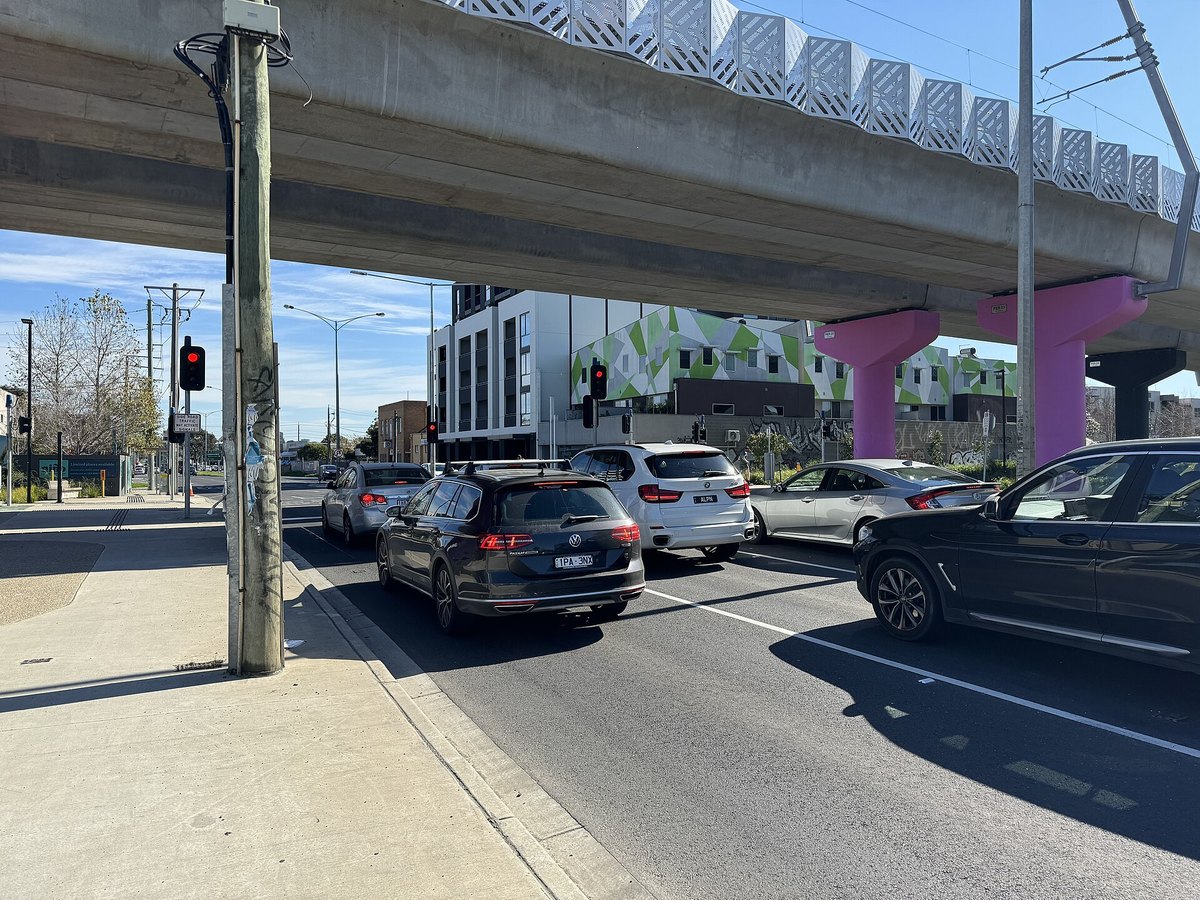
Ask for the window sticker or build sheet, then compare it with NHTSA’s rating page. If pedestrian automatic emergency braking is advertised, confirm whether it is standard, optional, or part of a package. Ask how the system works, whether there are operating limits, and where the owner’s manual explains those limits. This is especially important because crash avoidance features can depend on speed, lighting, sensor condition, and driver behavior.
Finally, run a recall check before taking delivery. A rating page is a comparison tool; a VIN recall lookup is a remedy tool. A vehicle can have a pedestrian rating and still need an unrelated recall repair. A vehicle can also have no open recall and still deserve careful comparison on pedestrian protection.
Limits shoppers should remember
The new category is a public safety signal, not a personal guarantee. It does not cover every possible speed, angle, street design, weather condition, driver reaction, or pedestrian movement. Real-world risk is shaped by speed, visibility, road design, lighting, distraction, impairment, and the size mix of vehicles on local roads.
The rating also should not be turned into brand-wide shorthand. The useful unit is the exact vehicle listing. A pass for one model year or body style does not automatically transfer to a different model, a redesigned vehicle, or an older used car. Shoppers should keep the official NHTSA page as the primary record and use dealer material only as supporting context.
For families, the best use is comparative. If two vehicles fit the budget, seating need, insurance cost, and reliability expectation, the pedestrian result can become one tie-breaker. If a model is pending or not submitted, the buyer can decide whether to wait, choose a rated alternative, or put more weight on other verified safety information.
Frequently asked questions
What are NHTSA pedestrian safety ratings?
They are NHTSA pedestrian protection assessments inside the 5-Star Safety Ratings program for model year 2027 vehicles, focused on specified impact tests involving people outside the vehicle.
How many models met the first criteria?
NHTSA’s September 18, 2026 release says 102 vehicle models from 10 manufacturers met the new pedestrian protection performance criteria in the inaugural results.
Does a pass mean a pedestrian cannot be seriously hurt?
No. A pass means the listed model met NHTSA’s criteria for the assessment. It is not a guarantee of injury-free outcomes in every real-world crash.
Where should shoppers verify a vehicle?
Use NHTSA.gov/ratings for the exact year, make, model, and body style, then compare that page with the window sticker and manufacturer safety equipment list.
Is this the same as pedestrian automatic emergency braking?
No. Pedestrian protection ratings examine injury risk in specified impact scenarios. Pedestrian automatic emergency braking is crash avoidance technology, so shoppers should check both.
Sources
Source note: Navyago reviewed the official NHTSA press release, Pedestrian Safety Test Results for 2027 Vehicle Models, published September 18, 2026, and the public NHTSA ratings destination cited by the agency. This article paraphrases the source and does not claim that every vehicle, trim, or future listing has the same status.