
Table of Contents
Overview of the Honda Pilot Subframe Recall Campaign
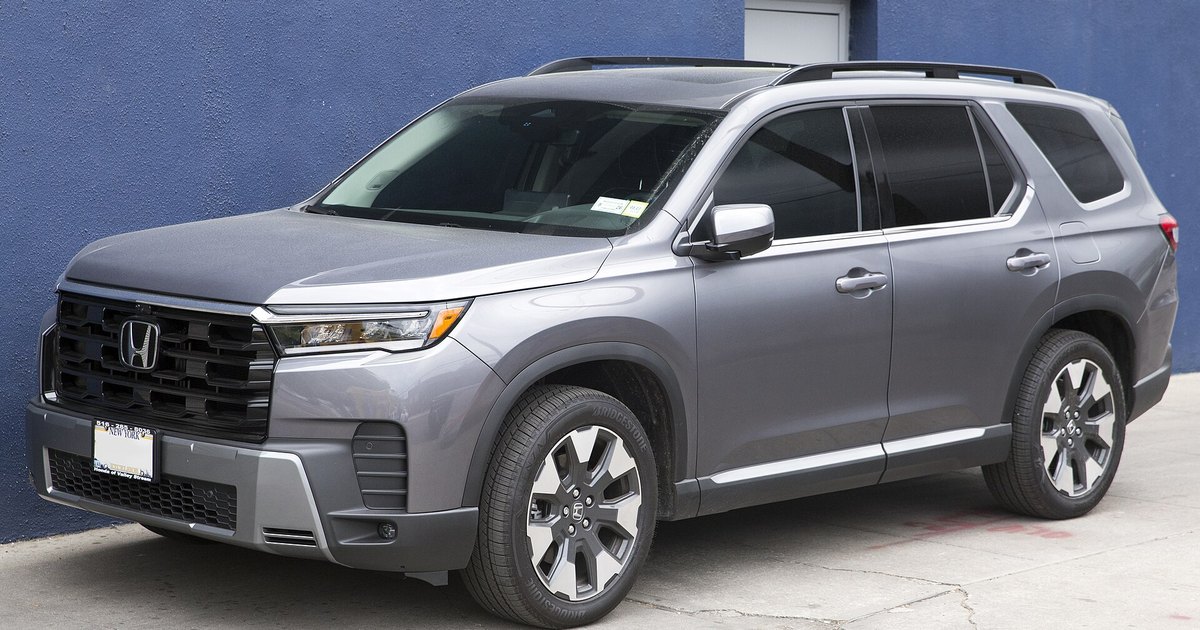
The Honda Pilot subframe recall addresses a critical underbody structural fastening condition identified in select model year sport utility vehicles. Under federal recall campaign 26v424000, safety regulators and factory engineering teams launched an investigation into rear suspension subframe mounting assemblies. In modern crossover utility vehicles, the rear subframe serves as the vital foundation connecting multi-link suspension arms, differential carriers, and stabilizer bars directly to the unibody chassis.
According to official NHTSA safety filings, investigators reported that rear subframe mounting bolts on certain vehicles may not have received proper torque tightening during factory assembly operations. Over extended driving cycles, road vibrations and cornering forces can cause inadequately torqued bolts to loosen or detach completely. Automotive structural specialists warn that loose subframe hardware alters suspension alignment, degrades vehicle handling stability, and significantly increases crash risk during high-speed transit.
American Honda Motor Company has instructed authorized dealer service departments to conduct comprehensive torque inspections on all rear subframe attachment hardware. If technicians discover loose or missing bolts, dealerships replace the fastening hardware and inspect chassis mounting threads at zero expense to vehicle owners.
The report notes that unibody utility platforms rely heavily on precision-torqued fasteners to distribute road shock evenly across high-strength steel crossmembers. When a mounting bolt loses clamp load, dynamic suspension stresses become concentrated onto adjacent mounting points, accelerating fatigue on surrounding steel brackets. Prompt inspection prevents progressive structural wear from affecting overall chassis durability.
Affected Honda Models and Production Windows
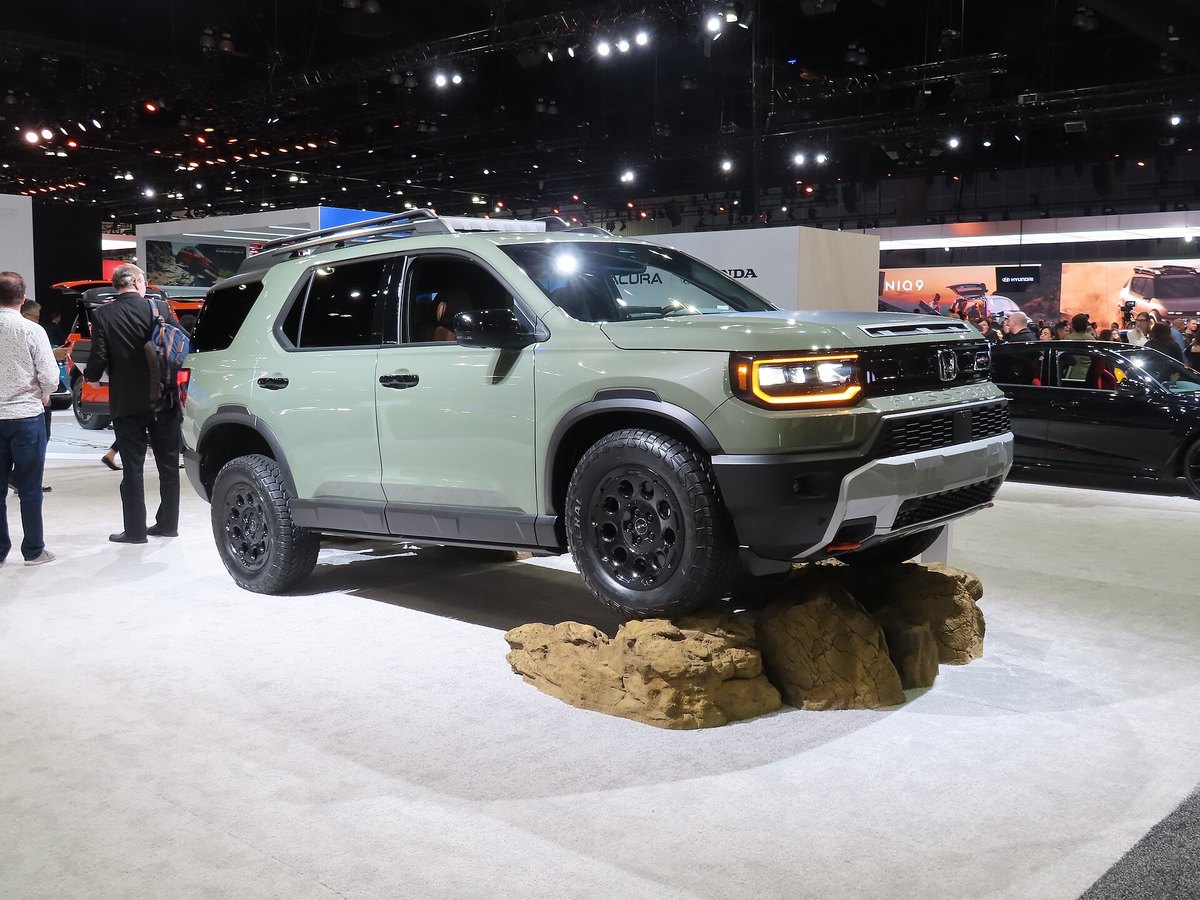
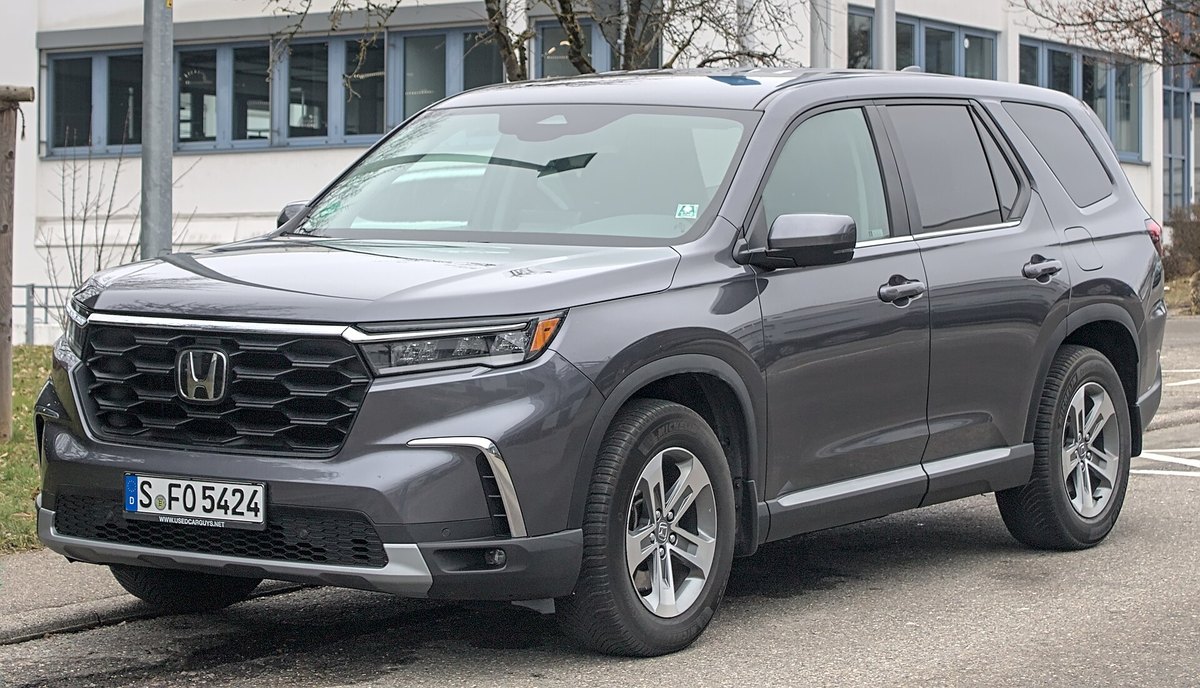
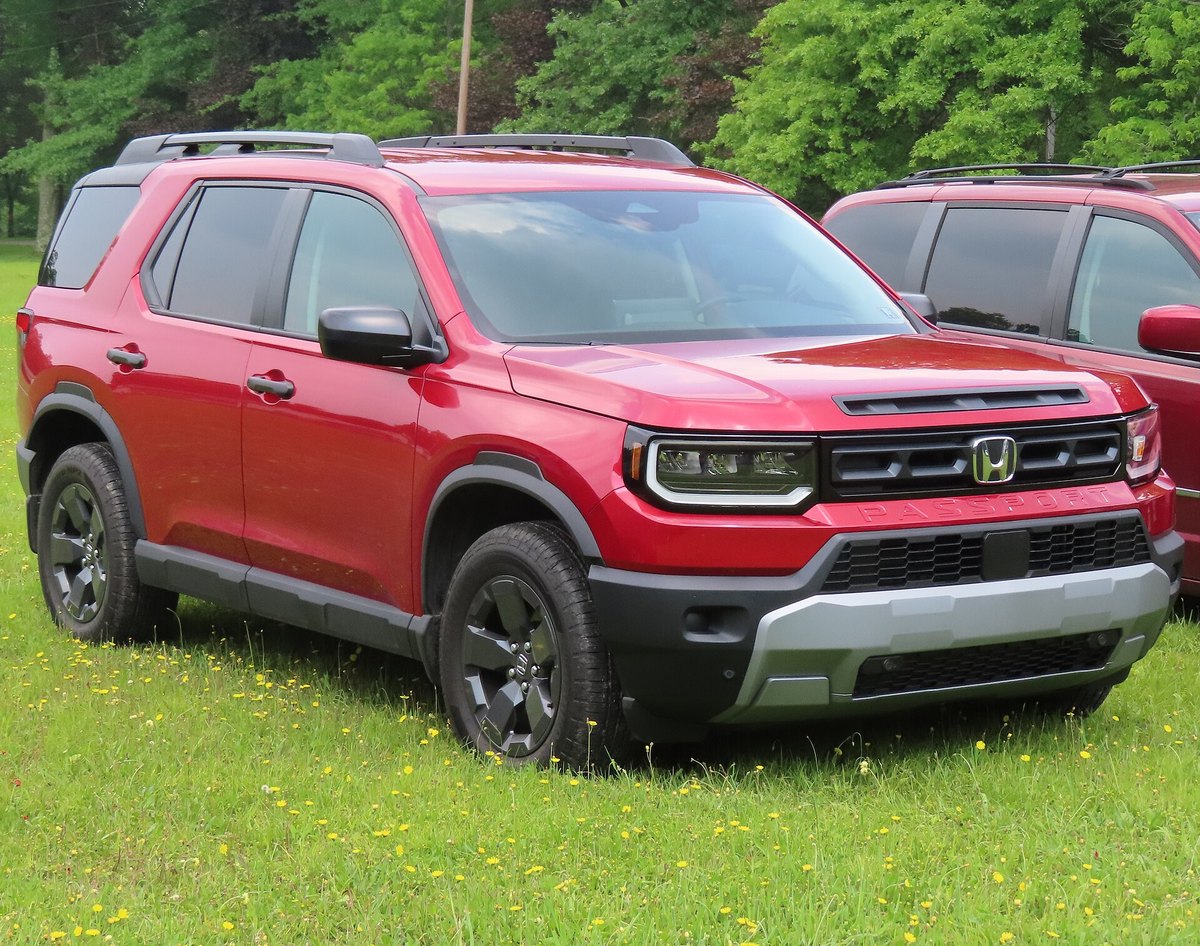
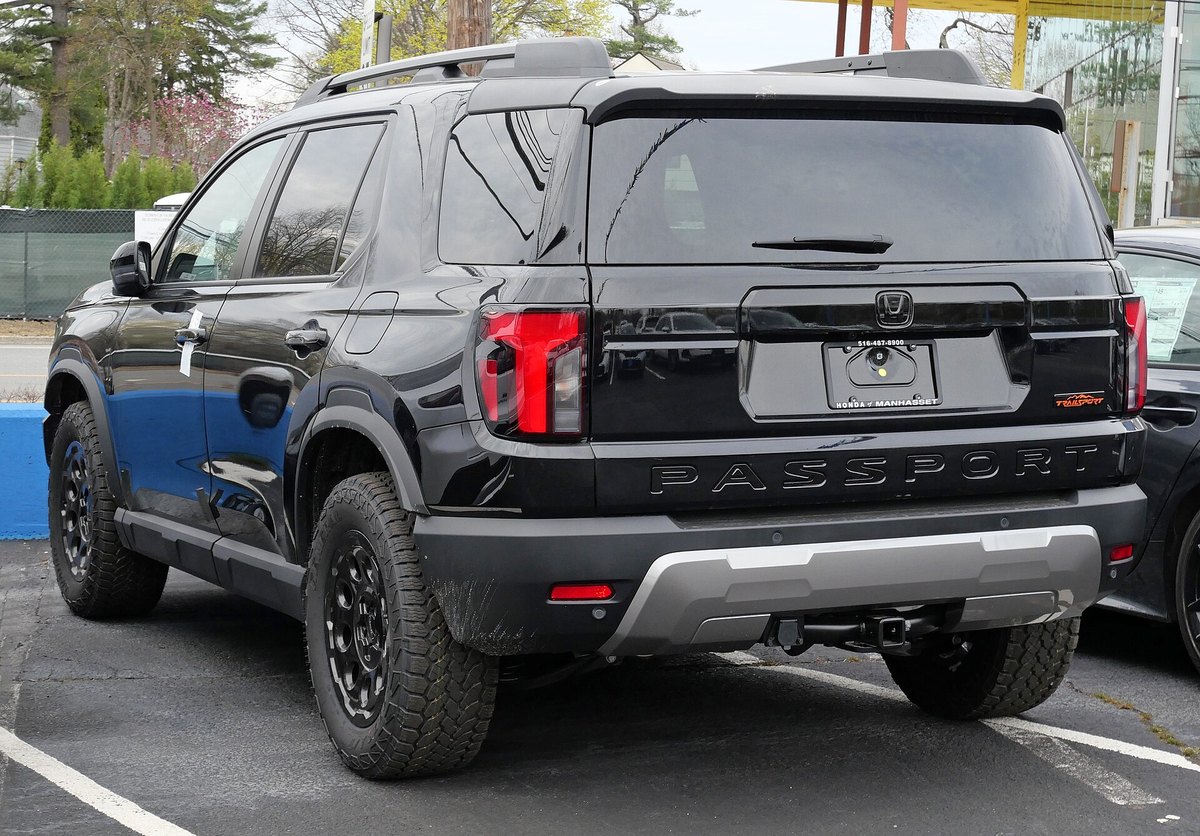
The safety campaign primarily targets midsize three-row family utility vehicles, alongside related crossover platforms assembled during the same production period. Popular Honda Pilot model years, accompanied by selected Honda Passport utility variants sharing common chassis architectures, represent the core vehicle population covered by the federal safety advisory.
Motorists can confirm whether their specific vehicle requires dealer service by examining their 17-digit Vehicle Identification Number (VIN). The VIN is stamped onto a metal plate viewable through the lower driver-side windshield corner and is also printed on vehicle registration cards and insurance policies. Dealership service advisors input this number into the factory warranty database to verify outstanding service campaigns instantly.
Because manufacturing quality controls were adjusted during production runs, not every vehicle assembled during the model year window contains improperly torqued mounting hardware. Individual VIN verification prevents unnecessary service visits for motorists whose utility vehicles were produced with certified fastening specifications. Officials said owner notification letters detail complete scheduling procedures.
Dealership service personnel note that all-wheel-drive configurations subject subframe assemblies to higher torque loads due to rear differential torque distribution during aggressive acceleration. Consequently, owners of AWD variants should prioritize scheduling dealer torque verification without delay. Automotive engineers caution that prolonged operation with compromised subframe torque can exacerbate stress along adjoining rear differential mounts and trailing arm links, potentially increasing repair complexity if ignored over several thousand miles.
Driver Warning Symptoms and Mechanical Risks
Drivers operating affected sport utility vehicles may observe tangible mechanical symptoms indicating that rear subframe fasteners have begun to loosen. The most common early indicator is an audible knocking, clunking, or popping sound originating from the rear underbody when traversing uneven pavement, crossing speed bumps, or transitioning between acceleration and braking.
As fastening hardware loosens further, vehicle handling dynamics can deteriorate noticeably. Motorists may experience rear-end wander, vague steering response, or an unsettled sensation during highway lane changes. In extreme instances where mounting hardware separates entirely, excessive suspension movement can misalign rear wheels, resulting in rapid tire wear, traction control warning activations, or sudden loss of vehicle directional stability.
Safety authorities urge motorists who observe knocking sounds or handling irregularities from the rear chassis to arrange immediate dealer inspection. Until authorized service technicians inspect the rear subframe assemblies under campaign 26v424000, aggressive driving maneuvers and heavy towing should be avoided. For related vehicle safety campaign coverage, consult our vehicle recall investigation database.
The report underscores that loose suspension bolts can also cause abnormal sensor readings in stability assist computers. When rear-wheel tracking angle deviates beyond calibrated thresholds, electronic stability control systems may intervene unpredictably, making timely mechanical correction critical for everyday driving safety. Road test evaluations confirm that properly secured subframe crossmembers absorb minor road imperfections smoothly, preventing vibration transfer into the passenger compartment.
Dealer Torque Verification and Free Repair Protocols
Under federal vehicle safety regulations, all recall inspection procedures, replacement hardware, and dealership labor must be provided completely free of charge to vehicle owners. When an eligible sport utility vehicle enters an authorized Honda service facility, certified technicians lift the vehicle to perform a multi-point underbody structural assessment.
Technicians utilize calibrated digital torque wrenches to verify that every rear subframe mounting bolt meets precise factory torque specifications. If a bolt is found to be below torque requirements or displays signs of thread degradation, technicians remove the fastener, inspect internal weld nuts in the unibody frame, and install brand-new factory-certified mounting hardware with thread-locking compounds.
The inspection procedure typically requires less than one hour of shop time. If fastener replacement or thread refurbishment is necessary, the appointment may extend to approximately two hours. Dealerships furnish customers with a completed repair order certifying that all safety campaign requirements have been fulfilled, maintaining clear documentation for future vehicle resale value.
Factory service bulletins instruct technicians to perform a comprehensive suspension alignment check whenever subframe repositioning occurs. Realigning camber, toe, and thrust angles ensures that tire tread wear remains uniform and steering tracking returns to factory-new standards. Furthermore, certified technicians visually inspect nearby brake hydraulic lines and emergency brake cables to guarantee that no physical chafing occurred during periods of subframe displacement.
How to Check Your VIN and Next Steps for Owners
Vehicle owners can verify active safety campaigns within minutes using online lookup services provided by federal regulators. Visiting NHTSA.gov/recalls and inputting the 17-digit VIN reveals all unrepaired recall bulletins associated with the vehicle. The National Highway Traffic Safety Administration updates this public database daily to reflect the latest manufacturer filings.
In addition to checking government registries, owners can contact their local authorized Honda dealership service department with their VIN handy. Service representatives can check parts availability, review appointment schedules, and arrange convenient drop-off times for recall service. If an owner previously paid for rear subframe bolt repairs out-of-pocket, manufacturer reimbursement claim forms can be submitted with corresponding paid repair invoices.
Staying informed regarding manufacturer safety campaigns is a vital aspect of automotive ownership. Regularly checking VIN records and promptly addressing open service bulletins ensures that family vehicles deliver the highest levels of safety, reliability, and peace of mind on every journey.
Consumer advocates suggest checking VIN recall status twice each year, ideally prior to seasonal road trips and during routine oil change intervals. Ongoing vigilance ensures that all occupant protection systems remain fully compliant with federal motor vehicle safety standards.
Frequently Asked Questions
What causes the rear subframe issue in the Honda Pilot recall?
The condition stems from rear subframe mounting bolts that may have been improperly torqued during factory assembly under campaign 26v424000, potentially loosening over time due to road vibrations.
What noise or feeling indicates a loose rear subframe bolt?
Drivers typically notice a distinct metallic clunking or knocking noise from the rear suspension when accelerating, braking, or driving over bumps, often accompanied by rear-end handling wander.
Does the owner have to pay for the subframe inspection or new bolts?
No. Federal safety regulations mandate that all recall inspections, replacement mounting hardware, and labor must be completed entirely free of charge at authorized dealerships.
How long does the dealership inspection and torque verification take?
The underbody inspection and torque verification usually takes under an hour, though additional time may be required if thread repair or four-wheel alignment is necessary.
Where can I verify if my specific VIN has an open subframe recall?
You can input your 17-character VIN directly on the official NHTSA recall website (nhtsa.gov/recalls) or on the official Honda Owners recall lookup portal.
This automotive safety report is compiled from public documentation issued by the National Highway Traffic Safety Administration (NHTSA) and official manufacturer recall notices. Motorists should check official government databases at NHTSA.gov for active campaigns.