

Table of Contents
Understanding the Ford Explorer Seat Recall Scope
The Ford Explorer seat recall represents a critical safety update issued in coordination with the National Highway Traffic Safety Administration. Automotive safety campaigns are initiated whenever a defect could cause unexpected mechanical behavior, structural failure, or increased injury risk during a collision. In modern three-row sport utility vehicles, power seating assemblies contain motorized tracks, electronic limit switches, and reinforced mounting brackets designed to secure occupants under severe crash decelerations.
According to official NHTSA safety filings, investigators reported that specific model year utility vehicles under recall campaign 26v451000 may experience unintended movement or disengagement along second-row seat tracks. When an occupant adjusts the seat using the easy-entry controls, electrical harness routing or mechanical latch tolerances can allow the seat frame to remain unlatched without clear visual indication to passengers. Automotive engineers emphasize that unlatched seat tracks substantially heighten injury risks if a sudden braking maneuver or secondary impact occurs.
Ford Motor Company dealers are instructed to inspect power seat wiring harnesses, verify microswitch engagement tolerances, and install redesigned retention brackets free of charge. Owners who regularly transport family members or carpool passengers should verify their vehicle identification number through official NHTSA search portals to confirm whether their sport utility vehicle requires immediate service inspection.
According to federal investigators, modern motorized seating modules experience cyclical stresses that differ significantly from manual track mechanisms. When families frequently fold second-row seats forward to grant access to the third row, internal mechanical stops encounter repetitive impact forces. If factory fastener torque or locking pawl clearances fall outside strict engineering tolerances, gradual mechanical migration can prevent the latching pawls from achieving full mechanical engagement. The resulting loose condition creates a distinct hazard during high-speed highway transit.

Affected Vehicle Models and Production Years
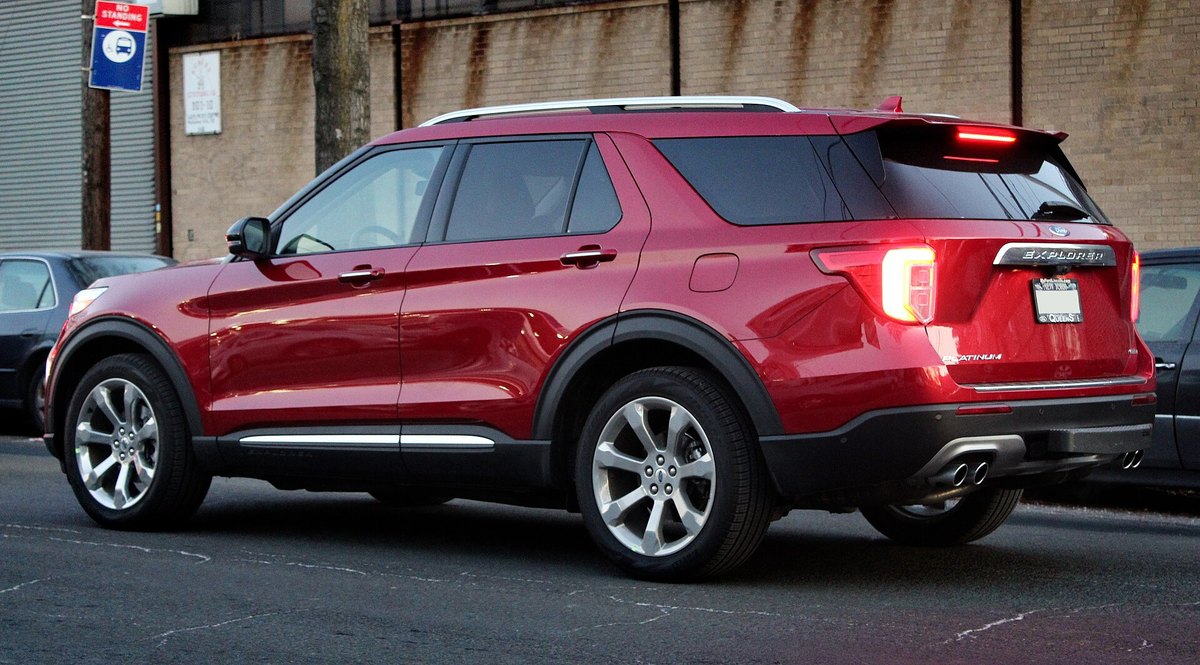
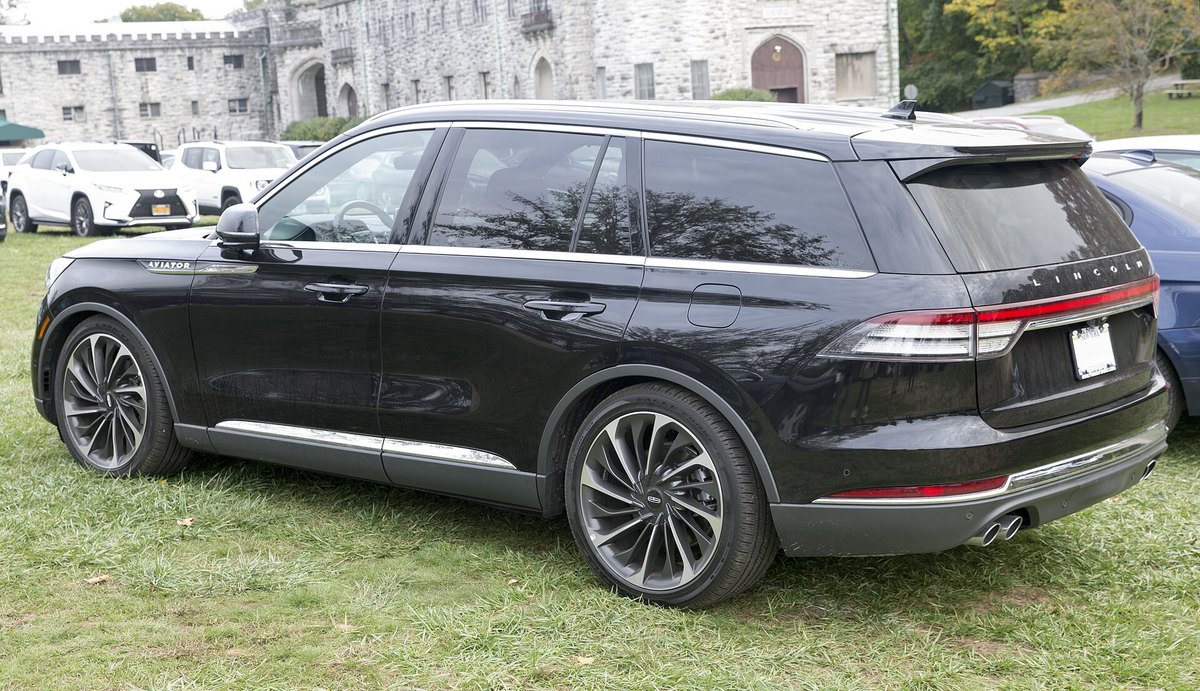
The safety advisory encompasses popular midsize and full-size utility platforms produced across multiple recent model years. Both front-wheel-drive and intelligent all-wheel-drive configurations utilizing power-folding second-row seating options fall within the scope of the inspection campaign. Luxury platform counterparts built upon the same rear-wheel-drive architectural foundation, including selected Lincoln Aviator trims, share key seat track hardware assemblies.
Vehicle identification numbers (VINs) provide the definitive method for determining vehicle eligibility. The 17-character identifier, located on the driver side dashboard near the windshield base and on the federal certification label inside the driver door jamb, allows service technicians to review complete factory build records. Not every vehicle manufactured during the model year window contains the specific seat track subassembly variant, making individual VIN lookup essential before scheduling dealership visits.
Automakers notify registered owners through first-class mail once remedy parts and updated service software become available at authorized service centers. However, secondary market buyers and pre-owned vehicle owners should proactively cross-reference their status rather than waiting for forwarded physical correspondence. The report notes that tens of thousands of utility vehicles were assembled during the affected manufacturing calendar window.
Dealership technicians confirm that vehicle architecture differences between six-passenger captain chair configurations and seven-passenger bench seating require specialized service approaches. The center walk-through aisle on six-passenger variants features independent seat latch assemblies with dedicated electronic sensors. Factory service bulletins provide technicians with detailed inspection checklists that address the unique wiring harness paths associated with each cabin layout.
Safety Hazards and Warning Signs for Drivers
Unsecured passenger seating assemblies pose distinct hazards that drivers can recognize during everyday vehicle operation. The primary symptom involves power seats that fail to lock firmly into forward driving positions after utilizing the tilt-and-slide access switch. If passengers feel looseness, back-and-forth movement, or hear clicking noises while accelerating or coming to a stop, the seat retention mechanism may be improperly engaged.
In addition to mechanical looseness, electrical wiring issues can trigger intermittent instrument cluster warning messages. Technicians have noted that pinched seat harness bundles may cause intermittent airbag warning lights or child restraint system indicator faults. Driving with illuminated restraint warning lamps means critical supplemental restraint components may not deploy with optimal timing during an accident.
Safety specialists advise drivers to avoid seating passengers in affected second-row seating positions if noticeable looseness or failure to lock is detected. Until certified dealership technicians complete necessary mechanical updates, positioning passengers in alternative positions minimizes personal risk during transit. For comprehensive automotive investigations, check out our recent report on Hyundai Kona seat belt recalls and related vehicle alerts.
The report emphasizes that occupant protection systems operate as an integrated safety cell. When a second-row seat shifts forward during emergency braking, the three-point seat belt geometry becomes compromised, potentially altering passenger deceleration angles. Consequently, resolving mechanical latch concerns is essential to preserving total cabin crashworthiness.
Dealer Repair Procedures and Owner Rights
Federal law mandates that all safety recall repairs must be executed completely free of charge by authorized dealership franchises, regardless of vehicle mileage or warranty expiration status. When owners schedule a recall service appointment, factory-trained technicians follow standardized technical service bulletins to inspect seat frame assemblies, test motor resistance values, and install reinforced hardware kits under campaign 26v451000.
The mechanical procedure typically requires between one and two hours of labor, depending on whether wiring harness realignment or structural bracket replacement is necessary. Dealerships perform comprehensive functional testing following hardware installation, ensuring that latch engagement sensors register full lock confirmations across all seating configurations. Owners receive written documentation verifying campaign completion for vehicle maintenance records.
If an owner previously paid out-of-pocket expenses to repair qualifying seat track defects prior to formal recall issuance, federal regulations provide established reimbursement pathways. Keeping detailed repair orders, parts invoices, and proof of payment enables owners to submit legitimate reimbursement claims directly through manufacturer customer care centers.
Service department managers recommend scheduling appointments several days in advance so replacement hardware can be allocated directly to the vehicle VIN before arrival. Authorized dealerships maintain direct electronic links with manufacturer parts distribution hubs, ensuring that updated retaining brackets and wiring protectors arrive prior to the customer service appointment.
NHTSA Recall Verification and Maintenance Best Practices
Proactive vehicle maintenance requires periodic verification of outstanding safety campaigns across government databases. The National Highway Traffic Safety Administration maintains an online portal at NHTSA.gov where motorists can enter any 17-character VIN to view unrepaired safety recalls issued within the past fifteen calendar years. Mobile applications provided by safety agencies also deliver automatic notifications whenever new campaigns apply to registered vehicles.
In addition to checking government registries, motorists should maintain accurate vehicle registration records with state motor vehicle departments. Manufacturers rely on state DMV registration databases to generate physical mailing lists for safety bulletins. When families change residential addresses, updating registration details ensures timely delivery of urgent safety advisories.
Regular visual inspections of interior cabin components further reinforce overall travel safety. Checking seat belt webbing for fraying, verifying latch clicks, and ensuring child safety seat anchors remain unobstructed helps protect all passengers. For additional insights on consumer safety standards and regulatory disclosures, explore Navyago automotive reporting resources and recall coverage.
Automotive safety researchers recommend that motorists establish a routine of conducting twice-yearly VIN reviews on federal safety databases. Aligning VIN checks with seasonal tire changes or annual state vehicle inspections ensures that newly published manufacturer bulletins receive prompt attention before family road trips.
Frequently Asked Questions
What is the primary danger associated with the Ford Explorer seat recall?
The main risk involves unlatched or loose second-row power seat tracks that can shift unexpectedly during sharp deceleration or collisions, significantly increasing passenger injury risk.
How do I find out if my Ford Explorer is included in this recall?
Owners can enter their 17-character Vehicle Identification Number (VIN) on the official NHTSA.gov recall search tool or contact an authorized Ford dealership service department regarding campaign 26v451000.
Will the dealership charge any inspection or labor fees?
No. By federal regulation, all safety recall inspections, replacement hardware kits, and labor are provided 100 percent free of charge to vehicle owners.
How long will the dealership repair appointment take to complete?
Most seat mechanism inspections and bracket reinforcements require between one and two hours of service bay labor.
Can I continue driving my vehicle while waiting for a service slot?
If the seat locks firmly into place and displays no warning lights, normal driving may continue, but drivers should avoid placing passengers in loose seating positions until inspected.
This automotive safety report is compiled from public documentation issued by the National Highway Traffic Safety Administration (NHTSA) and official manufacturer recall notices. Motorists should check official government databases at NHTSA.gov for active campaigns.