
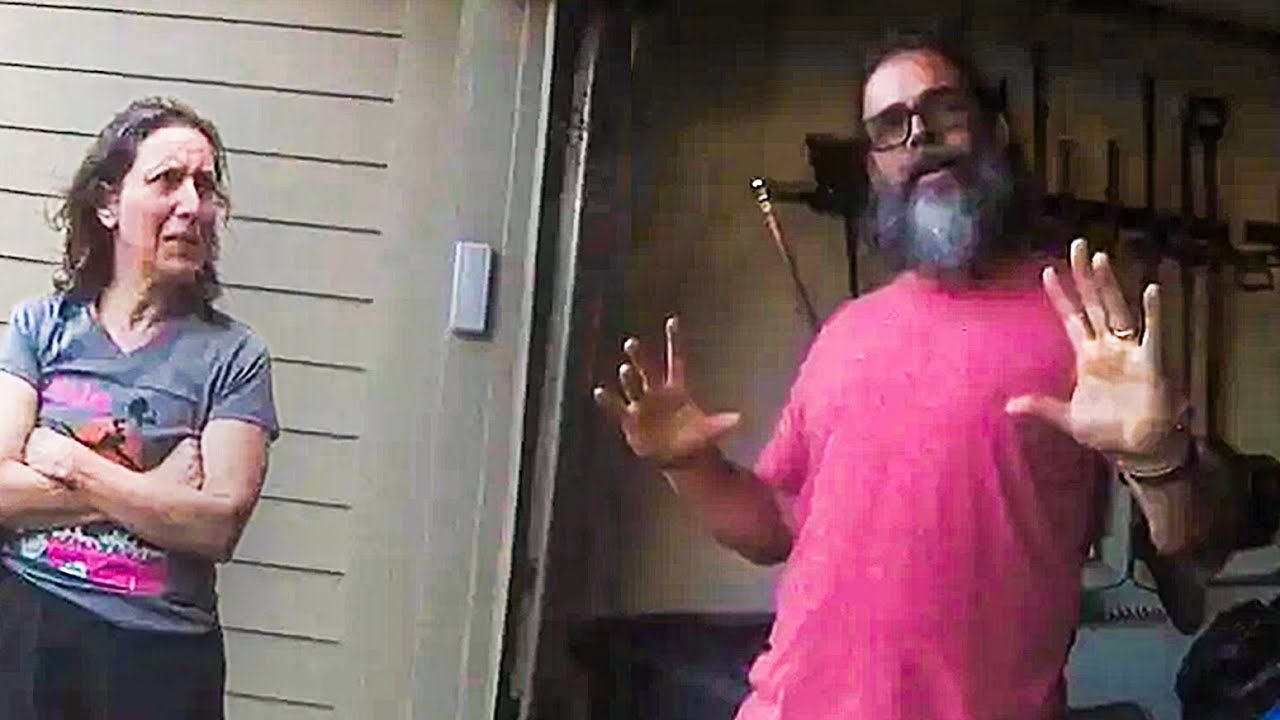
Matheau Moore appears in police bodycam footage released by the Insanity Bodycam YouTube channel after he reported his wife, Emily Noble, missing from their home. According to the video description, investigators later suspected him of involvement following the discovery of evidence in the case.
Overview of the Bodycam Footage Release
The YouTube channel Insanity Bodycam published a video titled The Moment He Realizes Police Found His Wife’s Body on September 26, 2025. According to the video description provided by the channel, the footage captures law enforcement officers arriving at the home of fifty-year-old Matheau Moore. This police visit occurred after Matheau Moore contacted authorities to report that his wife, Emily Noble, was missing from their residence. Public safety records and police interactions captured on camera often serve as primary source material for digital news explainers focusing on law enforcement procedures.
When analyzing digital video content from public platforms, viewers must understand the inherent limitations of edited media formats. Bodycam footage distributed online is typically condensed to highlight specific moments of an interaction, meaning it rarely shows the complete timeline of a police response. Investigators, legal teams, and independent observers rely on full, unedited department archives rather than social media clips to evaluate the entirety of any police contact. Furthermore, short video clips cannot establish final legal conclusions or replace the formal fact-finding processes required within the judicial system.
Verifying the context of any public safety video requires examining official public records released by municipal police departments or court clerks. Independent news explainers use these primary documents to corroborate dates, official statements, and procedural milestones associated with an investigation. Relying solely on video descriptions from third-party channels can introduce gaps in understanding, making cross-reference with official court dockets an essential step for accurate reporting. Due process principles dictate that individuals recorded during police interactions retain their constitutional rights and are presumed innocent until proven guilty in a court of law.
Details Provided in the Video Description
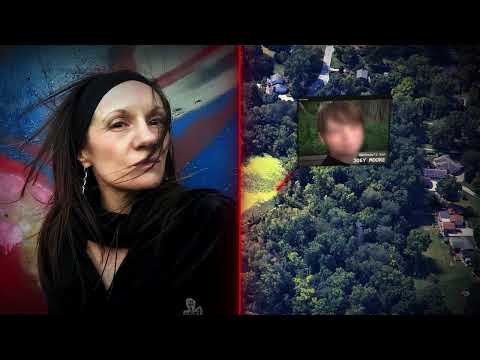
The video description supplied by Insanity Bodycam outlines several background details regarding the parties involved in the case. According to the text, Emily Noble and Matheau Moore were the subjects of a police inquiry following the initial missing person report. The source text notes that a year prior to this incident, Emily and Matheau’s son went missing before being discovered dead in a forest near their home. Additionally, the description mentions that Emily’s ex-husband died by self-inflicted means, providing contextual background about prior family tragedies noted by the channel.
Digital video explainers frequently summarize complex family histories and prior investigative notes to frame the narrative presented in a title or thumbnail. However, descriptions on video sharing platforms are written for audience engagement and may condense multifaceted police investigations into a few sentences. Readers examining these summaries should maintain analytical detachment, recognizing that descriptive text on social media is not a substitute for sworn testimony or official police reports. Safety and legal advocacy groups recommend consulting verified local news outlets and municipal press releases to obtain a comprehensive view of any ongoing public safety matter.
The process of confirming background claims involves reviewing coroner reports, historical missing person databases, and archived press statements from local law enforcement agencies. Because the source material for this explainer is limited to a brief YouTube description, many contextual details regarding prior family events remain unverified by external public records within this text. Responsible media reporting dictates a strict adherence to documented facts, ensuring that unverified assertions found in video captions are clearly distinguished from established judicial findings and official police press releases.
Discovery Timeline and Subsequent Findings
According to the source description, a significant timeline developed in the months following the initial bodycam recording. The text states that four months after the recorded police interaction, Emily Noble’s body was discovered in the exact same way as their son had been found previously. This geographic and circumstantial parallel became a central point of focus for detectives examining the case. Investigative timelines in missing person cases often shift dramatically when physical evidence or remains are located by search teams or members of the public.
When evaluating accounts of evidence recovery, public safety observers look to forensic reports, medical examiner findings, and official police briefings to establish accurate timelines. Social media summaries may highlight dramatic connections between separate cases, but formal investigations require rigorous forensic testing to determine cause of death and evidentiary links. The distinction between dramatic storytelling on digital platforms and methodical police work highlights the importance of relying on verified investigative records rather than sensationalized video titles.
Public safety education emphasizes that community members should follow official law enforcement channels for updates regarding active or historical investigations. Rumors circulated on video sharing platforms can sometimes obscure the facts established by forensic experts and detectives working on a case. Due process ensures that any suspicions held by investigators must be thoroughly tested through grand jury proceedings, preliminary hearings, and ultimately a trial by jury, where the accused has the opportunity to present a defense.
Investigative Suspicions and Statements
The video description from Insanity Bodycam highlights a specific observation made by detectives regarding Matheau Moore’s initial missing person report. According to the text, when Matheau first reported Emily missing, he allegedly knew down to every detail how she would be found months later. The source states that this circumstance led detectives to suspect him of murder as the investigation progressed. Police departments frequently evaluate early statements made by reporting parties to identify potential inconsistencies or foreknowledge during missing person inquiries.
Investigators are trained to document verbal and nonverbal cues, but legal standards require concrete physical or testimonial evidence to support formal criminal charges. A suspect designation by police marks an investigative phase rather than a legal determination of guilt, as the judicial system requires proof beyond a reasonable doubt before any conviction can occur.
Readers and viewers engaging with true crime or police video content should remain mindful of the legal presumption of innocence. Accusations mentioned in video descriptions reflect the perspective of investigators or the framing chosen by content creators, but they do not constitute a final legal verdict. To verify the current status of any legal proceedings associated with Matheau Moore, interested individuals should consult court records maintained by the relevant county clerk or state judicial portal.
Understanding Police Bodycam Video Formats
Body-worn cameras have become a standard tool for law enforcement agencies across the United States, designed to record interactions between police officers and members of the public. These devices capture audio and visual data that can later be used for training, internal review, and public transparency. However, the footage released to YouTube channels like Insanity Bodycam is often obtained through public records requests or released by departments selectively, meaning the published material represents a curated fraction of total departmental archives.
The format of a bodycam video often emphasizes emotional high points or dramatic confrontations to engage digital audiences. Viewers must recognize that editing choices, such as adding dramatic music, text overlays, or selective trimming, can influence how an interaction is perceived. A complete understanding of a police response requires reviewing unedited hours of footage, incident reports, bodycam logs, and dispatch audio rather than relying on a single viral video clip.
Journalistic standards require news explainers to clarify what a video format can and cannot demonstrate. While bodycam footage provides valuable insight into the demeanor of individuals and the immediate actions of officers at a specific moment, it cannot provide a complete psychological profile or establish final guilt. Responsible reporting balances the presentation of available video evidence with reminders of constitutional protections, investigative procedures, and the necessity of judicial oversight.
The Role of Public Records in Public Safety Reporting
Accurate reporting on public safety topics relies heavily on the availability and examination of official public records. Documents such as police incident reports, search warrants, arrest affidavits, and court transcripts provide the factual foundation necessary to verify claims made in online videos. Without access to these primary documents, writers and researchers must rely on secondary summaries, which can sometimes omit critical context or misinterpret complex legal procedures.
When a digital video raises questions about a specific criminal investigation, the most reliable verification method is checking the docket of the court where the case is being heard. Court records detail every motion filed by prosecutors and defense attorneys, ensuring transparency throughout the legal process. Public safety explainers serve to guide readers toward these official sources, empowering them to verify information independently rather than accepting social media narratives at face value.
Transparency in law enforcement is supported when agencies release public records in accordance with state and federal open records laws. However, restrictions often apply to ongoing investigations to protect the integrity of the case and the privacy rights of all involved parties. As the public safety landscape evolves, digital platforms continue to play a dual role in sharing police interactions while also necessitating greater critical media literacy among everyday viewers.

Due Process and Constitutional Protections
The American legal system is built upon the foundational principle of due process, which guarantees that every individual accused of a crime receives a fair and impartial hearing. This principle encompasses the right to counsel, the right to a speedy trial by an impartial jury, and the presumption of innocence. Regardless of the public perception generated by viral videos or media coverage, the state bears the burden of proving every element of a charge beyond a reasonable doubt in a court of law.
When media outlets discuss active criminal investigations involving named individuals, it is essential to use neutral terminology that avoids pre-judging the outcome. Terms such as suspect or accused maintain the necessary legal distinction until a judge or jury reaches a formal verdict. Using definitive labels in early reporting can unfairly prejudice public opinion and undermine the fairness of future judicial proceedings.
Educational content focusing on police videos should reinforce the importance of these constitutional safeguards for all citizens. Understanding that police suspicion and media attention do not equate to a criminal conviction helps foster a more informed public. Readers are encouraged to follow official court updates and respect the legal process as it unfolds through proper judicial channels.
Safety Lessons and Media Literacy for Viewers
Consuming content from true crime and police video channels requires a high degree of media literacy to navigate emotional storytelling and sensationalized framing. Viewers should cultivate the habit of asking critical questions about the source of the video, the potential motives behind its publication, and what factual evidence is missing from the presentation. Recognizing the difference between verified court documents and third-party commentary is an essential skill in the digital age.
Public safety awareness also involves understanding how communities respond to missing person cases and how law enforcement utilizes public tips during investigations. Agencies frequently rely on community cooperation, but they also emphasize that tips must be investigated methodically through forensic science and legal protocols rather than public speculation. Supporting safety initiatives and respecting investigative boundaries helps protect the integrity of search and rescue operations.
Ultimately, digital explainers serve to inform the public while adhering strictly to verified facts and ethical reporting standards. By analyzing available sources, acknowledging the limits of video formats, and upholding the presumption of innocence, readers can engage with public safety topics responsibly. Verifying information through official channels remains the best defense against misinformation in an increasingly video-driven media environment.

More source-attributed coverage appears in the Crime News section.
Frequently asked questions
Who published the bodycam footage mentioned in the source?
Insanity Bodycam published the video on September 26, 2025.
What was the name of the woman reported missing in the video?
The woman reported missing was Emily Noble.
Who is fifty years old in the context of the police response?
Matheau Moore is identified as fifty years old in the source description.
What happened to Emily Noble according to the source description?
Her body was discovered four months after the bodycam footage, in the exact same way as their son.
How should readers verify information regarding criminal investigations?
Readers should consult official court records, municipal press releases, and primary public documents rather than relying solely on video descriptions.
Source video