
Atlantic City police SWAT officers executed a search warrant on North Florida Avenue, encountering gunfire from an individual inside the residence, according to the video description. The source video outlines tactical movements, injuries sustained by officers, medical interventions, and subsequent investigative findings released to the public.
Overview of the Atlantic City Police Search Warrant Operation
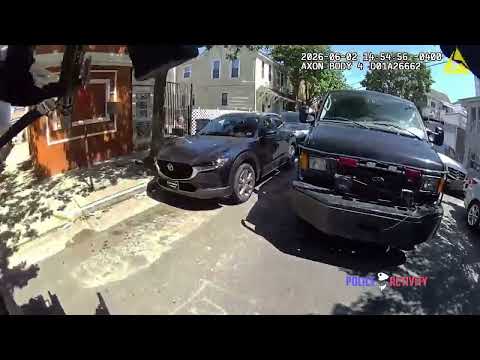
According to the video description published by PoliceActivity, the incident took place on June 2, 2026, in Atlantic City, New Jersey. Officers assigned to the Atlantic City Police Department SWAT team, alongside members of the Atlantic County Prosecutor Office SWAT team, arrived at a residence located on the 100 block of North Florida Avenue. The stated purpose of the law enforcement presence was to execute an authorized search warrant at the property.
Public safety operations involving tactical units require precise coordination and adherence to established departmental procedures. The source notes that officers observed the front door of the residence initially open before an individual inside closed it. Law enforcement personnel then announced their presence and purpose at the door, initiating the tactical entry sequence documented in the available body camera footage.
Execution of the Door Breach and Initial Confrontation
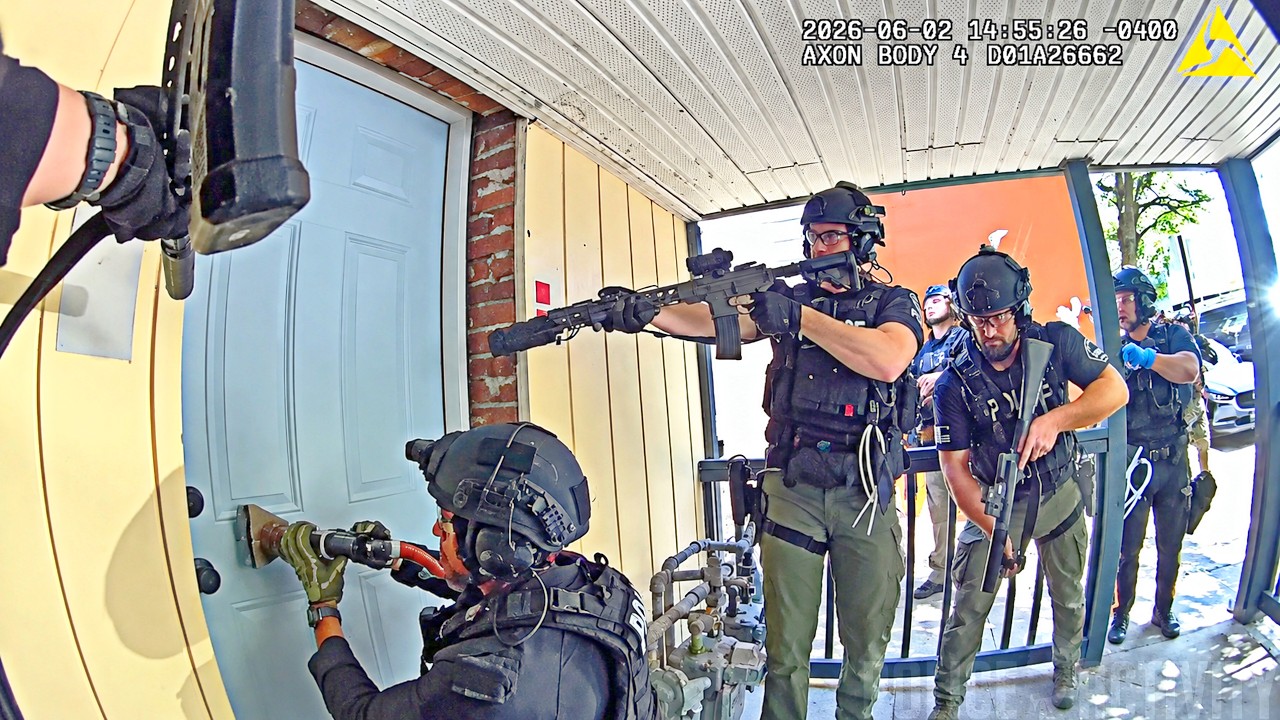
Following the announcements at the entrance, officers utilized a mechanical device to breach the front door of the residence, as detailed in the source material. As the door opened, 52-year-old Donald Gardner, also known as Donald Capriotti, was inside the residence and fired multiple gunshots directly at the officers. This sudden escalation transformed a standard warrant execution into a high risk armed confrontation.
Body camera perspectives cited in the source recording, including footage attributed to Officer Robert Reynolds, Sgt. Christian Ivanov, and an additional officer, capture the immediate seconds surrounding the breach. Recorded visual evidence in public safety videos provides a limited visual window into dynamic incidents, showing only what the mounted cameras capture from specific angles during fast moving events.
Injuries Sustained by Atlantic City Police Officers
The source states that two Atlantic City police officers were struck by gunfire during the exchange inside the residence. A projectile struck one officer directly in the helmet, while another officer sustained a gunshot wound to the leg. These injuries highlight the inherent physical dangers faced by law enforcement personnel during tactical room entries and armed encounters in residential settings.
Sgt. Christian Ivanov, a member of the Atlantic City Police Department SWAT team, suffered severe, life threatening injuries during the incident. According to the description, his injuries included a gunshot wound to the groin that damaged his femoral artery and vein, resulting in critical blood loss. The rapid deployment of emergency medical tactics by fellow officers proved vital in addressing his severe trauma.
Emergency Medical Response and Field Interventions
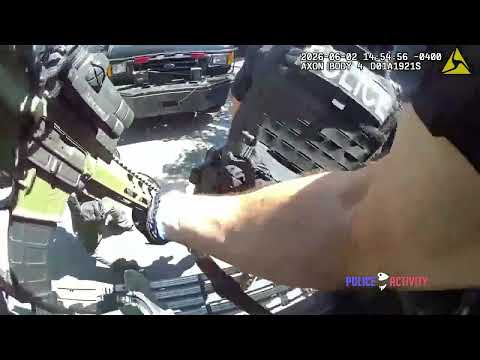
Immediate life saving measures were initiated at the scene by fellow officers who applied direct pressure to control the critical bleeding suffered by Sgt. Ivanov. Quick application of hemorrhage control techniques by trained personnel in the field is a standard component of modern tactical medical protocols designed to preserve life before professional emergency medical services arrive.
Following the initial field care, the wounded officers were transported for emergency medical treatment. The source notes that the two wounded officers were taken to AtlantiCare Regional Medical Center. One of the officers was treated and released the very next day, while Sgt. Ivanov required immediate, intensive medical and surgical intervention at the hospital facility.
Officer Response and Subsequent Findings at the Scene
During the confrontation, Officer Robert Reynolds of the Atlantic City Police Department, who was not struck by gunfire, responded to the threat and discharged his weapon multiple times, striking Gardner. The source reports that Gardner was subsequently pronounced deceased at the location following the exchange of gunfire. A handgun was recovered from inside the residence during the subsequent scene processing.
When reviewing law enforcement actions involving lethal force, official investigations rely on physical evidence, ballistic analysis, witness statements, and complete body camera recordings. Video explainers derived from public YouTube sources present initial summaries, but formal legal determinations and administrative reviews depend on comprehensive internal and external investigative reports.
Hospitalization and Recovery of Sgt. Christian Ivanov
Sgt. Christian Ivanov underwent two emergency surgeries on June 2, 2026, the day of the incident, according to the official timeline provided in the source description. The following morning, medical staff successfully took him off a ventilator. Throughout his initial hospital stay, he remained in serious but stable condition while receiving ongoing medical care.
On June 18, 2026, after more than two weeks of continuous medical treatment and recovery, Sgt. Ivanov was discharged from the hospital. An honor guard escorted him out of the facility as he prepared to transition to a rehabilitation center for intensive physical therapy, marking a significant milestone in his recovery process.
Understanding Public Safety Videos and Official Records
Viewers of online public safety content often rely on edited video compilations to understand critical incidents, but these digital sources represent only a fraction of the total investigative record. Complete public safety transparency requires access to full body camera footage, radio transmission logs, forensic ballistic reports, and prosecutor findings. These comprehensive records are essential for verifying the chronological sequence of events and evaluating tactical decisions.
Due process and investigative integrity dictate that every critical incident undergoes thorough administrative and criminal review by independent oversight bodies. Articles explaining such events must adhere strictly to documented facts without speculating on motives, guilt, or final legal outcomes until all official reviews are formally concluded by the appropriate authorities.
Safety Lessons and Verification Methods for Readers
Public safety explainers emphasize the unpredictable nature of tactical operations, where situations can escalate from compliance checks to armed conflicts in seconds. Training standards for modern law enforcement incorporate advanced trauma care, rapid communication, and de escalation techniques to mitigate risks during high hazard operations like search warrant executions.
Readers seeking to verify details of police video events should consult official press releases issued by municipal police departments, county prosecutor offices, and court dockets. Cross referencing video descriptions with official public records ensures an accurate understanding of law enforcement procedures, medical responses, and the due process mechanisms governing public safety investigations.
Tactical Planning and Multi-Agency Coordination Frameworks
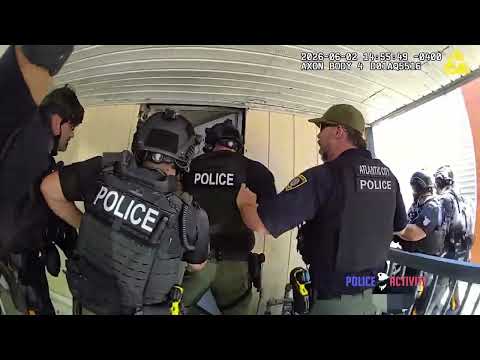
Executing a search warrant in an urban environment requires meticulous planning and seamless cooperation between various law enforcement divisions. In the Atlantic City incident, the involvement of both the Atlantic City Police Department SWAT team and the Atlantic County Prosecutor’s Office SWAT team illustrates how specialized units combine their expertise. Multi-agency operations are designed to enhance tactical capabilities, share intelligence regarding high-risk locations, and ensure that adequate personnel are present to manage perimeter security, entry control, and emergency contingencies during the execution of judicial orders.
Operational briefings held prior to deployment review target intelligence, building layouts, potential hazard assessments, and contingencies for armed encounters. While the source video description highlights the immediate physical actions at the doorway, these operational frameworks dictate every movement leading up to the breach. Understanding the structural planning behind warrant services helps observers contextualize why tactical teams utilize specialized breaching tools and maintain strict communication protocols as they approach potentially hostile premises.
Independent analysis of tactical planning relies on comprehensive after-action reports, departmental policy manuals, and independent oversight reviews rather than raw video footage alone. Body-worn cameras record the chaos of the execution phase but rarely capture the extensive preparatory work conducted by intelligence analysts and tactical commanders. Consulting official administrative disclosures ensures that the public gains a thorough understanding of the standards governing specialized police units during high-risk operations.
Evidentiary Protocols and Post-Incident Investigations
The aftermath of an officer-involved shooting triggers rigorous investigative protocols managed by specialized detective units and independent oversight bodies. According to the source narrative, the recovery of a handgun from inside the residence and the collection of ballistic evidence form the core of the physical investigation following the June 2, 2026, incident on North Florida Avenue. Investigators document the scene meticulously, mapping bullet trajectories, collecting shell casings, and securing all weapons involved in the exchange of gunfire for forensic laboratory analysis.
Independent investigative oversight is a cornerstone of modern criminal justice, ensuring that every use of lethal force is thoroughly examined for compliance with state laws and departmental guidelines. Prosecutor offices review officer actions, civilian witness statements, and forensic reports to determine whether the use of force was legally justified under the circumstances. This multi-layered investigative process can take months to complete, as forensic technicians analyze gunshot residue, medical examiners compile autopsy findings, and ballistics experts test-fire recovered firearms.
Relying on preliminary video summaries provides only a snapshot of an ongoing investigative process, underscoring the importance of waiting for final official reports. Premature conclusions can distort the complex realities of criminal investigations and administrative reviews. By following official updates released by the Atlantic County Prosecutor’s Office and the Atlantic City Police Department, the public can remain informed as the formal investigative record is compiled, reviewed, and made available through appropriate public channels.
Medical Logistics in Critical Police Encounters
The successful management of traumatic injuries during active police operations depends heavily on pre-hospital medical logistics and the immediate application of tactical combat casualty care principles. In the case of Sgt. Christian Ivanov, the rapid assessment of severe arterial bleeding by his fellow officers prevented catastrophic blood loss before professional medical transport could be initiated. Modern tactical training emphasizes bleeding control, including the proper application of tourniquets and direct pressure dressings, specifically to address wounds to the extremities and junctional areas like the femoral artery.
Emergency medical services coordination ensures that ambulances and trauma teams are staged or dispatched rapidly to manage casualties resulting from armed confrontations. The transfer of wounded officers from the North Florida Avenue address to AtlantiCare Regional Medical Center highlights the critical link between tactical field care and advanced hospital trauma intervention. AtlantiCare’s surgical teams performed two emergency surgeries on the day of the incident, stabilizing the sergeant and demonstrating the high level of specialized care required for complex vascular trauma.
Long term rehabilitation logistics, such as the two-week hospital stay and subsequent transfer to a specialized physical therapy facility, illustrate the extended medical timeline associated with severe line-of-duty injuries. Comprehensive reporting on police medical events relies on official statements from medical centers and police public information officers to ensure accuracy regarding patient status, surgical procedures, and rehabilitation milestones. Understanding these medical protocols provides a complete picture of the physical recovery path following critical incidents.
Community Impact and Public Information Standards
Incidents involving SWAT operations and armed confrontations within residential neighborhoods generate significant community interest and underscore the delicate balance between public safety transparency and operational security. Municipal police departments utilize official press releases, social media updates, and community briefings to keep the public informed while protecting the integrity of ongoing criminal investigations. Adhering to strict public information standards ensures that communities receive accurate, verified updates without compromising due process or the privacy rights of individuals involved.
Media platforms and news explainers play a role in synthesizing public safety information, provided they rely strictly on verified source materials and maintain absolute neutrality. The Atlantic City incident, as documented by the PoliceActivity channel and official municipal accounts, provides a case study in how critical incident narratives are communicated to the public. Responsible reporting avoids sensationalism, focusing instead on the verified chronology of events, official agency statements, and the documented recovery timelines of injured personnel.
Ultimately, community trust in public safety institutions is fostered through open communication, rigorous oversight, and adherence to factual reporting standards. By examining public safety videos alongside official records, court documents, and municipal press releases, readers can develop an informed perspective on law enforcement operations. Maintaining a commitment to factual verification ensures that complex police incidents are understood accurately within the broader context of public safety, legal due process, and community welfare.
More source-attributed coverage appears in the Crime News section.
Frequently asked questions
Where did the Atlantic City police SWAT incident take place?
The incident took place at a residence on the 100 block of North Florida Avenue in Atlantic City, New Jersey.
When did the search warrant execution and shooting occur?
The event occurred on June 2, 2026, according to the video description.
How many Atlantic City police officers were struck by gunfire?
Two Atlantic City police officers were struck by gunfire during the incident.
What medical treatment did Sgt. Christian Ivanov receive after the shooting?
Sgt. Ivanov underwent two emergency surgeries, was placed on a ventilator temporarily, and was later discharged to a rehabilitation facility on June 18, 2026.
What happened to the individual inside the residence who fired at officers?
Donald Gardner was struck by police gunfire when an officer returned fire, and he was subsequently pronounced deceased at the scene.
Source video