
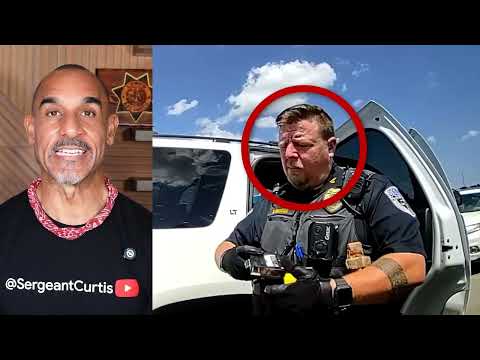
shoplifter call: Shop lifting call discussions appear in public videos uploaded by creators like Sergeant Curtis. According to the video description, the footage explores how confronting a retail theft suspect eventually led law enforcement officers to uncover a much larger illegal drug operation during their official duties.
Overview of the Shoplifter Call Video
According to the video description published by Sergeant Curtis, the featured content examines a specific sequence of events starting with a retail theft incident. When staff members or officers confront an individual accused of shoplifting, the situation can quickly evolve beyond a routine property crime call. Viewers tuning into digital channels often look for real time footage, but platform descriptions sometimes focus heavily on promotional partnerships rather than granular tactical breakdowns of the underlying police response.
Public safety explainers published on independent news sites help parse what raw video footage can and cannot convey to a general audience. While cameras mounted on dashboards or uniforms capture visual angles of an encounter, they rarely tell the complete story of why an officer initiated a stop, what dispatch told them prior to arrival, or what subsequent investigative steps occurred away from the primary camera lens. Understanding these limitations is vital for maintaining a balanced perspective on law enforcement media.
The title provided by the channel creator points toward a dramatic escalation from a minor retail complaint to a major narcotics discovery. However, internet video titles are designed to capture attention in competitive digital ecosystems, which means readers must look past catchy headlines to examine official public records. Certified police reports, booking logs, and court filings remain the only definitive sources of truth when verifying the exact sequence of events that transpired during any given police intervention.
Role of Digital Content in Public Safety
Digital channels managed by active or retired law enforcement personnel have become a popular medium for sharing insights into police work. These platforms allow creators to discuss notable calls, tactical decisions, and community safety tips with a broad audience. The video description from Sergeant Curtis highlights how everyday patrol calls can sometimes intersect with larger criminal investigations involving controlled substances, illustrating the unpredictable nature of municipal police work across different jurisdictions.
Despite the educational value of online commentary, consumers of public safety media must remember that edited videos represent a curated version of reality. Creators select specific clips, add commentary, and structure their narratives to engage viewers. This format inherently limits transparency regarding the entirety of an incident. To form an accurate understanding, individuals should cross reference video claims with official department statements and verifiable data released by local government agencies.
Public safety literacy involves questioning the source and context of every piece of media consumed online. When a video suggests a direct causal link between two events, such as a retail confrontation and a major narcotics seizure, investigators and legal analysts look for corroborating documentation. Chain of custody forms, laboratory test results, and warrant applications are standard records that validate whether a reported drug seizure officially occurred in connection with a specific suspect.
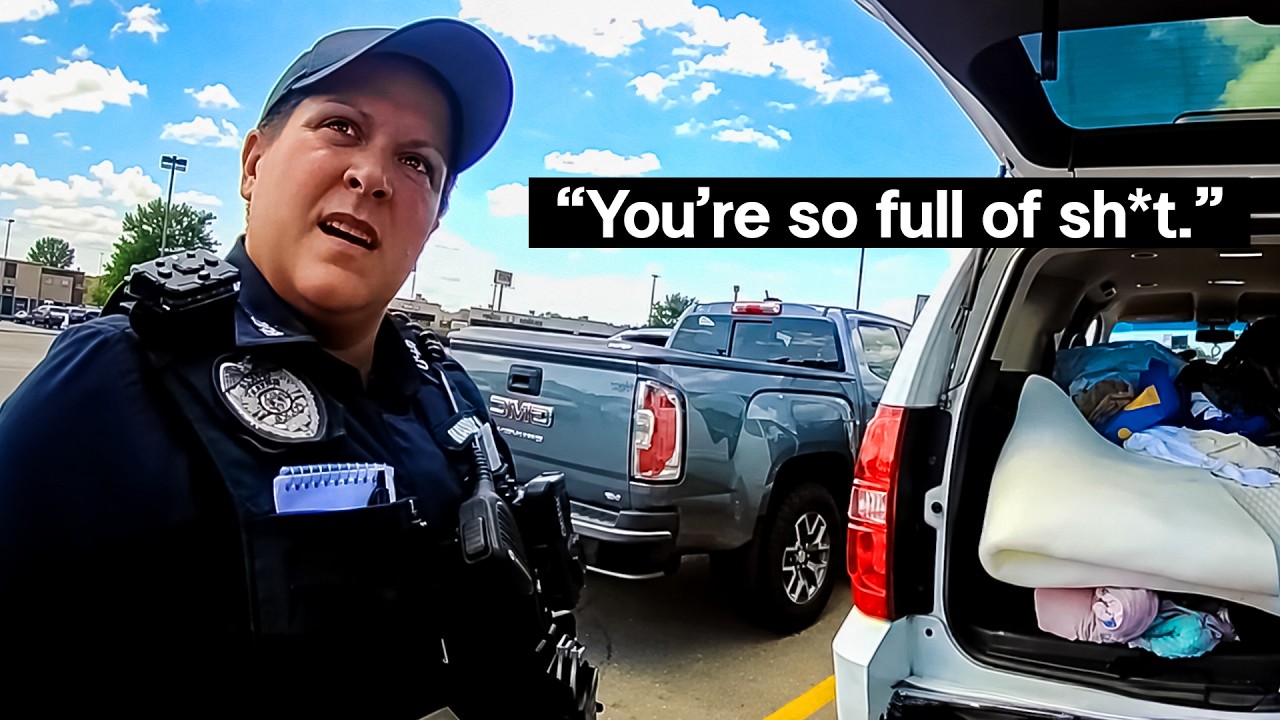
Understanding Retail Theft and Police Response
Retail theft is a common call type for local police departments, requiring officers to balance merchant safety with the rights of suspected individuals. According to general law enforcement standards, officers responding to a shoplifter call must verify facts, identify involved parties, and determine whether probable cause exists to make an arrest. These initial steps dictate how an interaction unfolds and whether further investigation into the suspect’s background or vehicle is legally justified under local statutes.
When an officer interacts with an individual during a retail theft investigation, unexpected discoveries can occur. A routine check for identification or a search incident to an arrest may reveal contraband, outstanding warrants, or evidence of other illicit activities. While the title of the video by Sergeant Curtis suggests a significant transition from petty theft to a major drug case, the mechanics of such discoveries depend heavily on strict constitutional guidelines governing searches and seizures.
Due process ensures that any evidence recovered during a police encounter, whether related to stolen merchandise or controlled substances, must be collected lawfully. If an officer exceeds their legal authority during a shoplifter call, any subsequent discoveries can face challenges in a court of law. Legal proceedings provide a structured environment where defense attorneys and prosecutors examine the validity of the initial stop, the legality of any searches, and the veracity of the police reports filed by responding personnel.
The Complexities of Narcotics Investigations
A drug bust of significant scale typically involves extensive police work, intelligence gathering, and adherence to rigorous evidentiary standards. While online videos may present a streamlined narrative where one event immediately triggers another, real world narcotics investigations are often intricate and time consuming. Law enforcement agencies must establish probable cause, obtain judicial search warrants, and coordinate specialized units to handle dangerous substances safely and legally.
Publicly available videos rarely capture the extensive administrative and laboratory work required to substantiate narcotics charges. Once suspected substances are seized during an encounter stemming from a call like a retail theft report, they must undergo chemical testing by qualified technicians. These tests confirm the exact composition and weight of the materials, which directly influences the formal charges filed by prosecutors in a court of law.
Presuming innocence is a foundational pillar of the American justice system, meaning that any individual accused of involvement in a drug bust remains innocent until proven guilty in a court of law. Video titles and social media descriptions should never be interpreted as declarations of guilt. Independent journalism and public safety explainers must consistently reinforce that arrests and accusations are merely the beginning of a formal legal process designed to test the evidence presented by law enforcement.

Evaluating Video Evidence and Source Limitations
Video evidence presented on public platforms is inherently selective, capturing only what the camera lens and editing choices permit. In the case of the video by Sergeant Curtis, the description focuses on promotional material rather than detailed investigative notes, leaving viewers with limited factual context regarding the shoplifter call and the subsequent drug seizure. Recognizing what a video cannot show is just as important as analyzing the visible footage itself.
Cameras positioned on uniforms or dashboards do not record peripheral events, private conversations between officers out of audio range, or the internal thought processes guiding tactical decisions. Furthermore, edited videos often omit long periods of waiting, paperwork, and procedural checks that constitute the majority of active police shifts. Relying solely on a video clip without consulting supplementary public records can lead to misunderstandings about how law enforcement operations actually function.
To verify the accuracy of claims made in online safety videos, readers should seek out official press releases from the relevant police department. Departments often publish detailed incident summaries that outline the timeline, the nature of the initial call, the specific items recovered, and the formal charges entered into the court system. Cross referencing video content with these authoritative documents ensures that public safety discussions remain grounded in verifiable facts rather than sensationalized digital framing.
The Importance of Public Records and Transparency
Public records serve as the ultimate benchmark for verifying events depicted in law enforcement media. Documents such as incident reports, dispatch logs, and probable cause affidavits provide a transparent record of police actions during incidents like a retail theft call that escalates into a larger investigation. These records are generally accessible to the public under freedom of information laws, allowing journalists and citizens to examine the official accounting of events.
Transparency in policing relies on the availability of these foundational documents. When creators share videos of dramatic police encounters, the absence of corresponding public record citations can make independent verification difficult. Responsible reporting requires acknowledging these informational gaps and directing readers toward official channels where they can request certified copies of reports related to any featured arrest or investigation.
Reviewing public records also helps demystify the legal process for the general public. By examining how a routine call transforms into a complex case through legal documentation, citizens gain a clearer understanding of police procedures, constitutional protections, and the safeguards built into the judicial system. This educational approach fosters informed community dialogue centered on safety, accountability, and the rule of law.
Due Process and Legal Protections for the Accused
Every individual accused of a crime, regardless of the nature of the allegations or the dramatic presentation in online videos, is entitled to full due process under the law. The legal system provides a framework where the state must prove its case beyond a reasonable doubt in front of an impartial judge and jury. This means that a video detailing a shoplifter call and a subsequent drug bust represents an allegation rather than a final legal determination of wrongdoing.
Defense counsel plays an essential role in this process by reviewing the legality of the police stop, examining whether officers respected constitutional rights during any searches, and challenging evidence that may have been improperly obtained. Public safety explainers must strictly adhere to neutral terminology, avoiding any biased language that assumes guilt before a court has evaluated all the evidence presented by both prosecution and defense teams.
Understanding due process helps readers contextualize the difference between sensational digital media and formal judicial outcomes. While online platforms thrive on quick resolutions and captivating storylines, the legal system moves deliberately to ensure fairness and accuracy. Respecting this distinction is crucial for upholding the integrity of public safety reporting and ensuring that all subjects of media coverage are treated with fundamental fairness.
Safety Lessons and Verifying Online Claims
Extracting practical safety lessons from online police videos requires a critical eye toward the methods and behaviors depicted. Retail establishments and community members often review such footage to learn best practices for preventing theft, de-escalating conflicts, and cooperating safely with law enforcement when emergencies arise. However, viewers should avoid attempting to replicate tactical maneuvers or confrontations shown in entertainment or commentary videos.
Verifying claims found in social media videos involves a step-by-step approach to fact checking. Readers should start by identifying the primary law enforcement agency involved, searching for official press releases or media advisories related to the incident date, and checking local court dockets for corresponding criminal filings. If an online video lacks specific departmental details or case numbers, treating the narrative with caution is the most prudent course of action.
Promoting media literacy ensures that communities can engage with public safety content safely and critically. By understanding the limitations of video formats, the necessity of public records, and the vital protections of due process, readers become better equipped to evaluate the news they consume online. Independent explainers will continue to emphasize these principles, providing a balanced and factual approach to stories originating from digital creator platforms.

More source-attributed coverage appears in the Crime News section.
Frequently asked questions
What is the title of the video discussed in this article?
The video is titled How Confronting A Shoplifter Led To Giant Drug Bust.
Who is the creator of the referenced video?
The video was published by the channel managed by Sergeant Curtis.
What date was the source video published?
The video was published on November 5, 2026.
What primary event initiated the police response in the video narrative?
The video discussion begins with a shoplifter call at a retail establishment.
Where can readers find definitive proof of police claims?
Readers can verify claims by reviewing official police reports, court filings, and public records.
Source video