
Crypto P2P scam red flags are easier to spot when you know what the Federal Trade Commission tells consumers to watch for. According to FTC consumer guidance, crypto payments usually cannot be reversed and do not carry the dispute rights that come with credit and debit cards, so the safest moment to stop a bad trade is before any money or crypto moves.
Peer-to-peer trading, usually shortened to P2P, lets one person buy or sell cryptocurrency directly with another person. A platform may hold the crypto in escrow, but the cash side of the deal often travels through a bank transfer or a payment app that the platform does not control. That gap is where trouble starts, because each side has to trust that the other will finish the trade.
This guide applies the FTC’s published warning signs for cryptocurrency fraud to the everyday steps of a P2P trade. It does not add claims beyond the source. Where the FTC speaks about crypto scams in general, this article says so, and the general explanation of how P2P trades work is offered only as background for readers who are new to the format.
Table of contents
- Why crypto P2P scam red flags matter before you pay
- The warning signs the FTC lists
- How scammers ask for payment
- What to check before a P2P trade
- Where to report crypto fraud
- FAQ
Why crypto P2P scam red flags matter before you pay
The FTC explains that paying with cryptocurrency is different from paying with a card in ways that matter the moment something goes wrong. According to the agency, cryptocurrency payments typically do not come with legal protections such as the right to dispute a charge, and they usually cannot be reversed unless the person who received the funds agrees to send them back.
The same guidance notes that cryptocurrency held in an account is not backed by the government in the way that insured bank deposits are. Values can also change quickly, and the FTC says there is no guarantee that a loss will be recovered. For a P2P trader, those points add up to a simple rule: once you release crypto from escrow or send it to a wallet address, you should assume it is gone for good.
That is why the warning signs deserve attention before a trade, not after. A buyer who claims to have paid, a seller who wants the deal moved off the platform, or a stranger who promises an unusually good rate may all be asking you to give up the only protection a P2P trade has, which is time to verify.
The FTC also points out that cryptocurrency transactions are typically recorded on a public ledger called a blockchain. That record can help investigators, but it does not work like a refund button. A visible transaction is still a completed transaction.
The warning signs the FTC lists
The FTC’s consumer page on cryptocurrency and scams puts one sentence ahead of the rest: only scammers demand payment in cryptocurrency. According to the agency, no legitimate business is going to demand that you send cryptocurrency in advance, whether to buy something or to protect your money.
The agency lists several other signs that apply directly to people who trade with strangers online:
- Guaranteed profits or big returns. The FTC says promises like these are a sign of a scam, even when a pitch includes celebrity names or testimonials.
- An online love interest who talks about investing. According to the FTC, someone you met on a dating site or app who wants to show you how to invest in crypto, or asks you to send crypto, is running a scam.
- An unexpected investment manager. The agency describes people who contact you out of the blue, tell you to buy crypto and move it into an account they control, and then make withdrawals costly or impossible.
- Free money. The FTC says promises of free cash or free cryptocurrency are fake.
- Big claims with no explanation. The guidance warns about pitches that do not explain how an investment works or where your money is going.
- Alarming messages about your account. The FTC reports that scammers send texts, calls, emails, pop-ups, and social media messages claiming there is fraud on your account or that your money is at risk, then tell you to fix it by buying or moving crypto.
In a P2P setting these signs often arrive as pressure. A trading partner may insist that a special rate will vanish in minutes, or that a third person will handle the payment. The FTC guidance does not describe every P2P tactic by name, but the pattern it describes is consistent: an unexpected contact, a promise that sounds too good, and a demand to move crypto quickly.
How scammers ask for payment
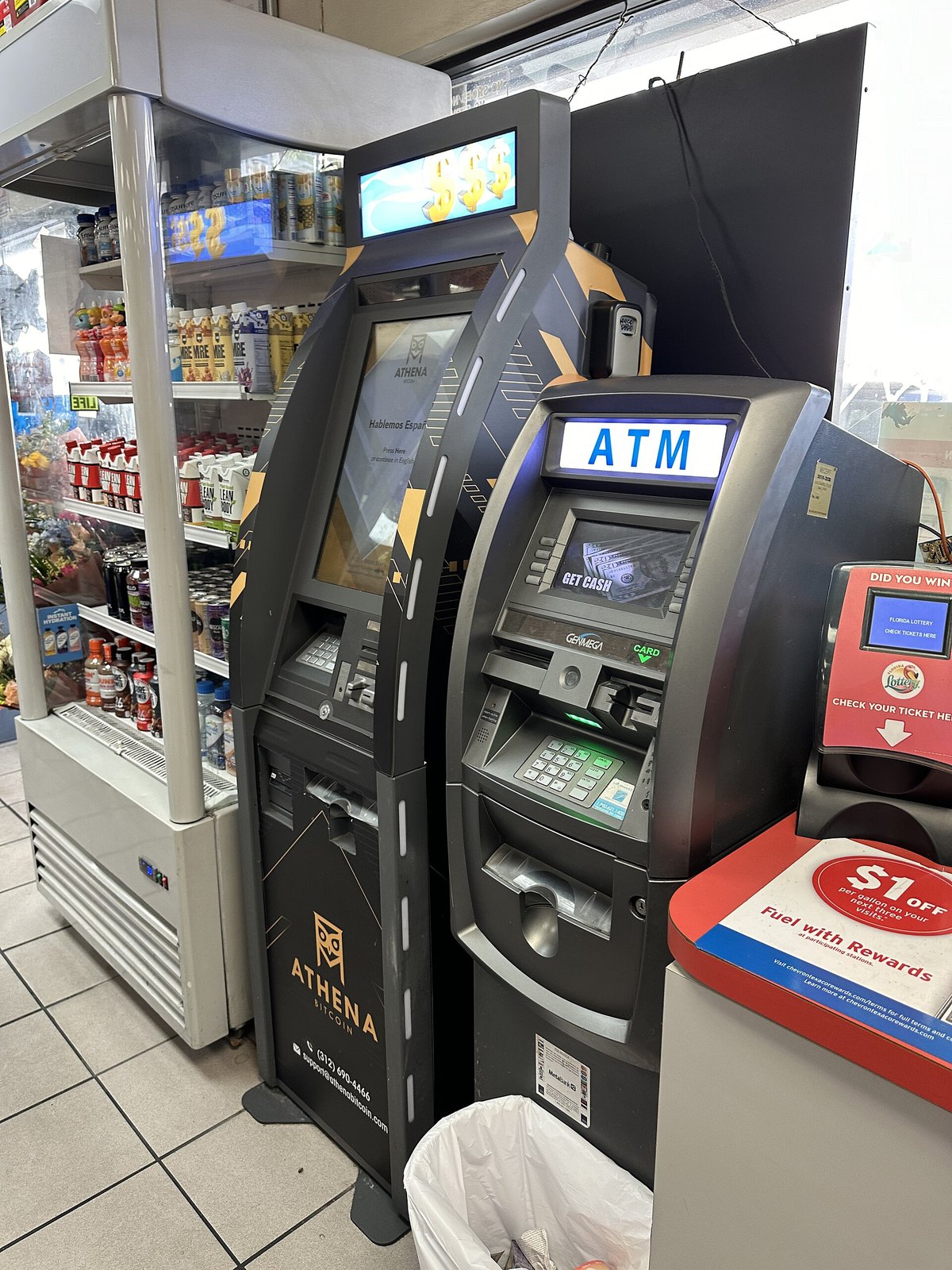
The FTC says there is no single way that scammers ask for cryptocurrency, but the agency reported several methods that come up again and again. One is telling a person to buy crypto and send it to a wallet address for safekeeping. Another is directing a person to a cryptocurrency ATM, sometimes while staying on the phone to give step by step instructions.
The guidance also describes scammers who send a QR code so that a payment goes straight into their wallet, and fake job offers that require an upfront fee paid in crypto. Some pitches ask a person to transfer funds into an online investment account that looks real, shows growing balances, and then blocks withdrawals.
For P2P traders the lesson is to treat any change in the payment route as a warning. If a partner asks you to pay a different person, use a different app than the one listed in the offer, scan a code they send in chat, or finish the deal outside the platform’s escrow, slow down. A legitimate counterparty has no reason to hide where the money is going.
Screenshots deserve the same caution. A picture of a bank transfer is not the transfer itself. Before you release crypto, open your own banking or payment app and confirm that the funds have arrived in your account and that the sender’s name matches the verified name on the trading profile.
What to check before a P2P trade
The FTC’s advice for anyone thinking about paying or investing with cryptocurrency starts with research. According to the agency, you should search online for the name of the company or person together with the name of the cryptocurrency and words such as review, scam, or complaint, and see what other people are saying.
The agency also tells consumers to ask how an investment works and where the money is going. Honest investment managers and advisors, the FTC says, want to share that information and will back it up with details. A trading partner who cannot explain a deal in plain language has given you a reason to walk away.
A short checklist built from that guidance looks like this:
- Keep the whole trade inside the platform’s escrow and chat, so there is a record.
- Match the name on the incoming payment with the verified profile name before you release anything.
- Confirm the money in your own account, not in a screenshot.
- Refuse any request to pay or receive through a third person.
- Ignore countdowns and special rates that require an instant decision.
- Search the counterparty’s name and the offer details for complaints.
- Stop if anyone promises a guaranteed return or asks for an advance fee in crypto.
None of these steps takes long, and each one closes a door that the FTC says scammers rely on. Readers who also send money through bank transfers, gift cards, or payment apps can compare this list with Navyago’s guide to scam payment red flags before sending money online, which covers the FTC’s wider advice on payment methods. For a related topic, see the credit repair scams checklist.
Where to report crypto fraud
If you paid a scammer with cryptocurrency, the FTC says to report it. The agency lists several places that take reports about fraud and other suspicious activity involving cryptocurrency:
- The FTC, at ReportFraud.ftc.gov
- The Commodity Futures Trading Commission, at CFTC.gov/complaint
- The U.S. Securities and Exchange Commission, at sec.gov/tcr
- The FBI’s Internet Crime Complaint Center, at ic3.gov
- The cryptocurrency exchange company you used to send the money
The FTC adds that anyone who receives a blackmail threat demanding cryptocurrency should report it to the FBI immediately. The agency describes these messages as attempts to scare people into paying, often by claiming to hold embarrassing photos, videos, or personal information.
When you file a report, keep the evidence in its original form. Save the chat history from the trading platform, the wallet addresses involved, transaction identifiers, payment receipts, and the profile details of the other party. Report the account to the P2P platform as well, since the platform can review the escrow record and may restrict the account.
Be careful with anyone who contacts you afterward and promises to recover lost crypto for a fee. A demand for an advance payment in cryptocurrency matches the first warning sign on the FTC’s list.
Source note and citation
This article is based on the Federal Trade Commission consumer advice page titled What To Know About Cryptocurrency and Scams. Statements attributed to the FTC reflect that page as reviewed for this guide. The description of how peer-to-peer trades and escrow work is general background and is not a statement by the FTC. This guide is for general information and is not legal or financial advice. Check the official page for the current wording before you act.
FAQ
What are the main crypto P2P scam red flags?
According to FTC guidance on cryptocurrency scams, the clearest signs are a demand to pay in crypto in advance, promises of guaranteed profits, pressure from an unexpected contact, and requests to move funds to an account or wallet someone else controls.
Can a crypto payment be reversed after a P2P trade?
The FTC says cryptocurrency payments usually cannot be reversed unless the person who received them sends the money back, and they do not carry the dispute rights that credit and debit cards provide.
Is a payment screenshot enough proof to release crypto?
No. A screenshot can be edited. Confirm the funds inside your own bank or payment app and check that the sender’s name matches the verified trading profile before you release crypto from escrow.
Where should a crypto scam be reported in the United States?
The FTC lists ReportFraud.ftc.gov, the CFTC, the SEC, the FBI’s Internet Crime Complaint Center, and the cryptocurrency exchange used to send the money.
Does the FTC say legitimate businesses ask for crypto in advance?
No. The agency says only scammers demand payment in cryptocurrency, and that no legitimate business will demand crypto in advance to buy something or to protect your money.
Sources
- Federal Trade Commission, Consumer Advice: What To Know About Cryptocurrency and Scams
- Federal Trade Commission: ReportFraud.ftc.gov