
Fake CIA agent encounter video coverage refers to a Sergeant Curtis explainer built around a bodycam stop in which scene audio accuses a man of theft and pretending to be law enforcement, according to the source and the linked original upload. The clip is useful for public-safety context, but it does not independently prove every allegation, agency claim, or final legal outcome.
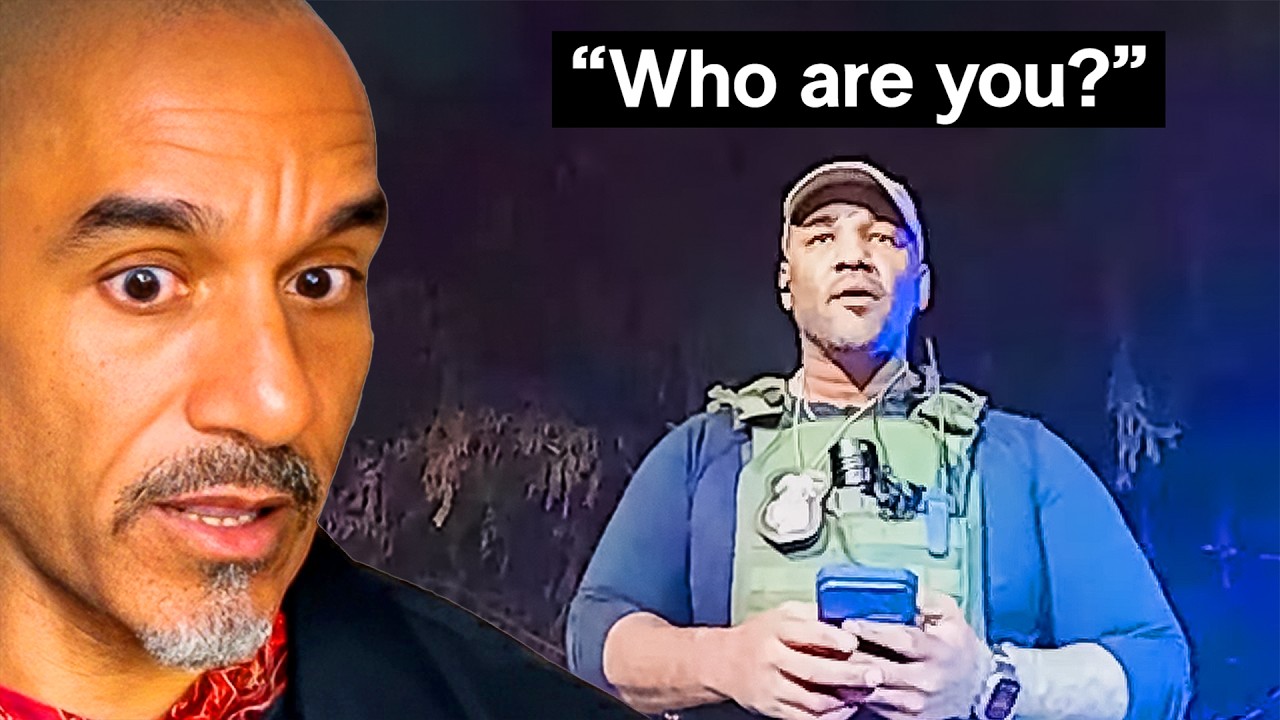
Key Facts From the Selected Source
- The main source is Sergeant Curtis video
KKL06JS2ayQ, published on August 14, 2026. - The source description links an original Midwest Patrol upload titled Fake CIA Agent Robs House, Returns to the Scene.
- The opening scene audio accuses a man of stealing money from a house and returning to the scene.
- The transcript includes a claim about an informant overdosing and a statement that sounds like the man is invoking official activity.
- People at the scene question why someone would be dressed like a police officer and later say he is impersonating or pretending to be a cop.
- The visible footage centers on a traffic-stop style encounter, officer commands, and an escalating identity dispute.
- The public video supports a public-safety explainer, but allegations of theft, impersonation, and any later charges remain source-attributed unless confirmed elsewhere.
Those are the safest high-confidence facts a reader can carry away from the Fake CIA agent encounter video. Even with bodycam-style footage, the public clip is still one evidence layer rather than the full investigative file. It helps show sequence, tone, and the kinds of claims being made in real time, but it does not automatically answer who was truthful, what exactly happened inside the house before police contact, or what legal conclusion a court or police agency may have reached later.
Fake CIA Agent Encounter Video: Reported Timeline
The Fake CIA agent encounter video does not open like a routine identity check. Right away, the scene audio captured in the source includes a sharp accusation: someone tells the man to get out and says he just stole money from their house. That matters because the public clip is not only about whether a person sounded official. It is also framed by the people on scene as a suspected theft or robbery dispute. Sergeant Curtis presents the encounter as one where those accusations collide with a claimed law-enforcement style identity.
Seconds later, the source audio asks who the man works for, and a reply sounds like official activities division. In the Fake CIA agent encounter video, that phrase is one of the biggest public-interest hooks because it is exactly the kind of language that can make bystanders or victims hesitate. A person does not need to display a perfectly forged badge to create confusion. Sometimes an urgent tone, a vague official label, or a costume that resembles police gear is enough to buy a few seconds of doubt.
Sergeant Curtis then shifts into commentary and says police-impersonation cases are especially revealing because they often contain quick turns in narrative and behavior. The source argues that the stop becomes even more unusual when the alleged impersonation happens while a real officer is standing there. That is a fair way to describe the tension in the Fake CIA agent encounter video, but readers should still distinguish commentary from hard fact. Curtis is analyzing the clip for viewers, not filing an official report.
When the visible stop sequence begins, the officer is heard telling the man to step back and asking who he is. The Fake CIA agent encounter video then shows the officer moving him in front of the patrol vehicle and warning him not to reach for anything. The exchange is important because it shows the encounter turning from a verbal dispute into a controlled investigative contact. That transition is often the moment when police try to slow everything down: separate people, freeze movement, and gather identity information before the situation gets worse.
The man then says he has an emergency because one of his informants is probably overdosing. In a public-safety sense, that line may be the most revealing moment in the Fake CIA agent encounter video. It suggests he is not just denying the accusations. He is trying to establish urgency and implied authority at the same time. Whether that claim was true, false, partly true, or irrelevant is not resolved by the clip alone. But the combination of emergency language and official-sounding language is exactly why people later reviewing the footage may see the encounter as a lesson in how impersonation claims are made plausible under pressure.
As the exchange continues, the people at the scene again accuse him of stealing money and say they have him on video. They also say he is impersonating a cop or pretending to be a cop. The Fake CIA agent encounter video therefore builds around repeated allegation layers rather than a single isolated line. There is the accusation of theft, the implication of fake official status, and the officer’s visible attempt to pin down who the person actually is. For readers, that makes the footage useful as a sequence explainer even if it still stops short of delivering a final evidentiary answer.
What the Source Video and Linked Original Upload Show
The main Sergeant Curtis upload gives the Fake CIA agent encounter video its current frame, but the source description also links an older Midwest Patrol bodycam upload titled Fake CIA Agent Robs House, Returns to the Scene. That linked title matters for context because it suggests the broader allegation did not start with Curtis’ commentary. At the same time, a linked source title is still not a court finding. The safest way to use it is as supporting evidence for the story arc the main video is presenting, not as an excuse to declare the allegations proven.
What viewers can take directly from the footage is the atmosphere of confusion. In the Fake CIA agent encounter video, nobody sounds like they are calmly sorting out a paperwork issue. The people at the house appear angry and urgent. The officer sounds cautious and skeptical. The man at the center of the stop sounds as if he is trying to explain why he is there while also invoking an emergency and some kind of official relationship with an informant. That combination is one reason impersonation cases draw so much attention: they exploit the small window when uncertainty can overpower ordinary skepticism.
The clip also shows why clothing and presentation matter even before a badge or credential enters the conversation. Early in the transcript, someone asks why the husband would be dressed like a police officer. That line in the Fake CIA agent encounter video does not prove what he was wearing or whether the clothing violated any law. But it does show that appearance was important enough for people on scene to mention immediately. In real-world encounters, unofficial tactical-style gear, holsters, lanyards, or even assertive jargon can create the impression of authority long before anyone verifies identity.
Another visible lesson from the Fake CIA agent encounter video is that police do not treat official-sounding claims as self-proving. The officer asks who the man is, controls his movement, and keeps the contact procedural. That matters because many scams and impersonation attempts depend on the other person deciding that verification would be rude, slow, or dangerous. The source encounter points the other way. Verification is exactly what the moment requires, even if someone insists there is an emergency or claims to be connected to a sensitive operation.
For that reason, the best use of the Fake CIA agent encounter video is not gossip about whether the title sounds dramatic. It is as a source-based reminder that real or claimed emergencies, official-sounding language, and aggressive confidence can all appear together. The public lesson is not that every person using law-enforcement language is fake. The lesson is that identity claims should be verified through real channels instead of trusted on style, speed, or intimidation alone.
Why Police-Impersonation Claims Trigger a Different Response
Police-impersonation allegations create a different kind of risk than an ordinary argument because they can exploit people’s instinct to comply. In the Fake CIA agent encounter video, the allegation is powerful precisely because it sits between crime and authority. If a person can sound official for even a minute, victims may let him into a home, hand over property, reveal personal information, or delay calling real police. That is why the source matters as public-interest content even if some facts still need later confirmation.
The Fake CIA agent encounter video also shows how impersonation allegations can overlap with other offenses. Scene audio talks about money being taken from the house, while the linked original title uses robbery language. Those are serious claims, but they remain claims in this article unless confirmed by a later public record. What the footage clearly supports is the basic safety lesson: false authority can be used to move quickly, override normal caution, and make victims feel that resistance is inappropriate.
That is why readers should separate two questions when they watch the Fake CIA agent encounter video. First: what does the clip suggest about how people react to official-sounding claims during a chaotic encounter? Second: what does the clip actually prove about the man’s status, intent, and later legal outcome? The first question can be answered in broad terms from the source. The second question usually cannot be answered by public video alone. Good reporting keeps those lanes separate.
If someone is dealing with suspicious authority claims that may also involve requests for personal details, payment, or documents, a related Navyago guide on credit freezes after identity theft can be a practical follow-up. That guide covers defensive steps after a questionable encounter. The Fake CIA agent encounter video itself is not an identity-theft case on the face of the clip, but it does illustrate how fast authority confusion can open the door to broader harm.
What the Source Does Not Establish
The Fake CIA agent encounter video does not establish the man’s real employment history, if any, or whether he ever had legitimate ties to any agency. It does not establish a final theft or robbery finding, even though those accusations are audible. It does not tell readers what charges were filed, whether they were dropped, whether any plea or trial happened, or whether later records changed the early picture. Those are all reasons to treat the video as a strong public clue rather than a complete case file.
The source also does not establish motive. A viewer can hear urgency, contradiction, and anger in the Fake CIA agent encounter video, but motive is usually the first thing people overread from a short clip. Was the man trying to exploit authority, bluff his way through a confrontation, respond to a real emergency, or cover up a crime? The public clip does not resolve that question on its own, and this article should not pretend otherwise.
Another limit is geography and case metadata. The transcript references 3850 West College, but the Fake CIA agent encounter video excerpt alone does not cleanly identify the city, agency case number, or later docket outcome. That is exactly the kind of gap where overconfident internet retellings go wrong. The responsible move is not to fill the gap with guesswork. It is to say the clip supports a public-safety explainer while the missing administrative details remain unverified here.
Finally, the Fake CIA agent encounter video should not be used as proof that every dramatic title is fully literal. Sergeant Curtis uses a punchy headline, and the linked original upload uses a direct robbery description. Those titles may align with underlying allegations, but titles are still packaging. Public-interest writing should absorb the useful factual core while removing the certainty that titles sometimes project for clicks.
How Readers Should Handle Official-Identity Claims in Real Life
The most practical lesson from the Fake CIA agent encounter video is simple: unexpected authority claims should trigger verification, not automatic compliance. If someone claims to be law enforcement, federal personnel, or part of a sensitive operation, ask for identifying information and verify it through an official public number or a dispatch channel you found independently. Do not rely on a number the person gives you on the spot.
Second, separate urgency from proof. In the Fake CIA agent encounter video, the line about an informant overdosing sounds urgent, but urgency is exactly what can make people stop checking details. A real emergency can exist, but it does not remove the need to verify who is making the claim. If the situation feels unsafe, step back, contact real emergency services, and give them the plain facts you can verify rather than repeating titles or agency names you are not sure about.
Third, preserve evidence early. The people in the Fake CIA agent encounter video say they have him on video. Whether or not that later became part of a case, it points to a useful principle: keep messages, doorbell footage, call logs, license information, and timestamps if you think someone used false official status during a confrontation. Public safety is not only about recognizing a risk in the moment. It is also about preserving the evidence that helps real investigators sort out competing claims later.
Finally, remember that verification is not disrespect. The Fake CIA agent encounter video is compelling because it shows how awkward and high-pressure identity disputes can become. But there is nothing improper about checking unexpected credentials, refusing entry until identity is confirmed, or calling known public numbers to ask whether the contact is legitimate. That caution protects both potential victims and legitimate officers whose identities should withstand ordinary verification.
Frequently Asked Questions
What is the fake CIA agent encounter video about?
It is a Sergeant Curtis explainer built around bodycam-style footage and a linked original upload in which scene audio accuses a man of theft and pretending to be law enforcement. The article treats those details as source-attributed, not finally proven.
Does the video prove the man was really a fake federal agent?
No. The Fake CIA agent encounter video shows why people suspected impersonation, but the public clip alone does not verify his real employment status or resolve any final legal outcome.
Why is the linked Midwest Patrol video relevant?
The main source description points readers to that original upload, which uses a stronger robbery-centered title and helps show that the broader allegation was not created only by later commentary. It still remains a source layer rather than a court finding.
What is the main public-safety takeaway?
The safest takeaway from the Fake CIA agent encounter video is that official-sounding claims should be verified through real channels before anyone hands over property, personal information, or access to a home.
Source Video
Sources and Attribution
Primary source: Sergeant Curtis, The Funniest Fake CIA Agent Encounter In Police History, published August 14, 2026. Watch the original at https://www.youtube.com/watch?v=KKL06JS2ayQ.
Linked original upload named by the source: Midwest Patrol, Fake CIA Agent Robs House, Returns to the Scene, available at https://www.youtube.com/watch?v=bI22BRtlQnc.
Incident details in this article are attributed to the public videos, their visible footage, titles, and the local transcript evidence saved for this work item. Navyago paraphrased the material for public-interest reporting and public-safety explanation and does not present this article as a final legal finding.
Next step: Watch the full source, then look for later police or court records before treating the encounter as fully resolved.