
Lifted Chevy pickup truck incidents captured on public police video provide a detailed look at law enforcement pursuits. According to the video description, Oklahoma City Police attempted a traffic stop after a reported incident at a Walmart Supercenter, which subsequently escalated into an extended vehicle pursuit across paved roads and off-road terrain.
Overview of the Oklahoma City Police Pursuit
Public safety reporting often relies on visual documentation released by law enforcement agencies to inform communities about high-stress events. According to the video description from the channel PoliceActivity, an incident unfolded in Oklahoma City, Oklahoma, beginning on October 6, 2026. Store security at a Walmart Supercenter located at 2000 W confronted an individual who reportedly abandoned items before leaving the property.
When law enforcement officers later located the suspect driving a white lifted pickup truck, they attempted to conduct a traffic stop. The driver of the vehicle refused to pull over, initiating a pursuit that crossed various environments within the city. Explainer articles examine these events to provide clear context without speculating on the underlying motivations of the individuals involved.
Understanding how police encounters begin requires examining the initial dispatch and the transition from a property call to a mobile traffic enforcement action. Public records, police logs, and video descriptions serve as the primary factual foundation for analyzing how law enforcement personnel respond when a driver declines to yield to emergency lights and sirens.
Geographic Progression of the Vehicle Chase
The pursuit described in the source material covered a significant geographic area within Oklahoma City, moving from commercial zones to high-speed corridors. According to the video description, the activity began near the Walmart parking lot, continued onto major roadways, and eventually reached speeds of approximately 80 miles per hour on the Kilpatrick Turnpike before the truck exited onto the Broadway Extension.
High-speed travel on turnpikes introduces distinct challenges for both fleeing motorists and pursuing officers. Dashcam footage captured the vehicle weaving around traffic during this phase of the transit. Law enforcement agencies evaluate turnpike pursuits carefully due to the elevated risk of high-velocity collisions involving civilian motorists who may have little warning of an approaching emergency.
As the route progressed, the nature of the driving behavior shifted from highway speeds to unpredictable off-road maneuvers. The transition from paved thoroughfares to unpaved environments highlights the fluid and dynamic nature of vehicle pursuits, where drivers often alter their tactics in attempts to evade capture by responding patrol units.
Transition From Paved Roads to Off Road Terrain
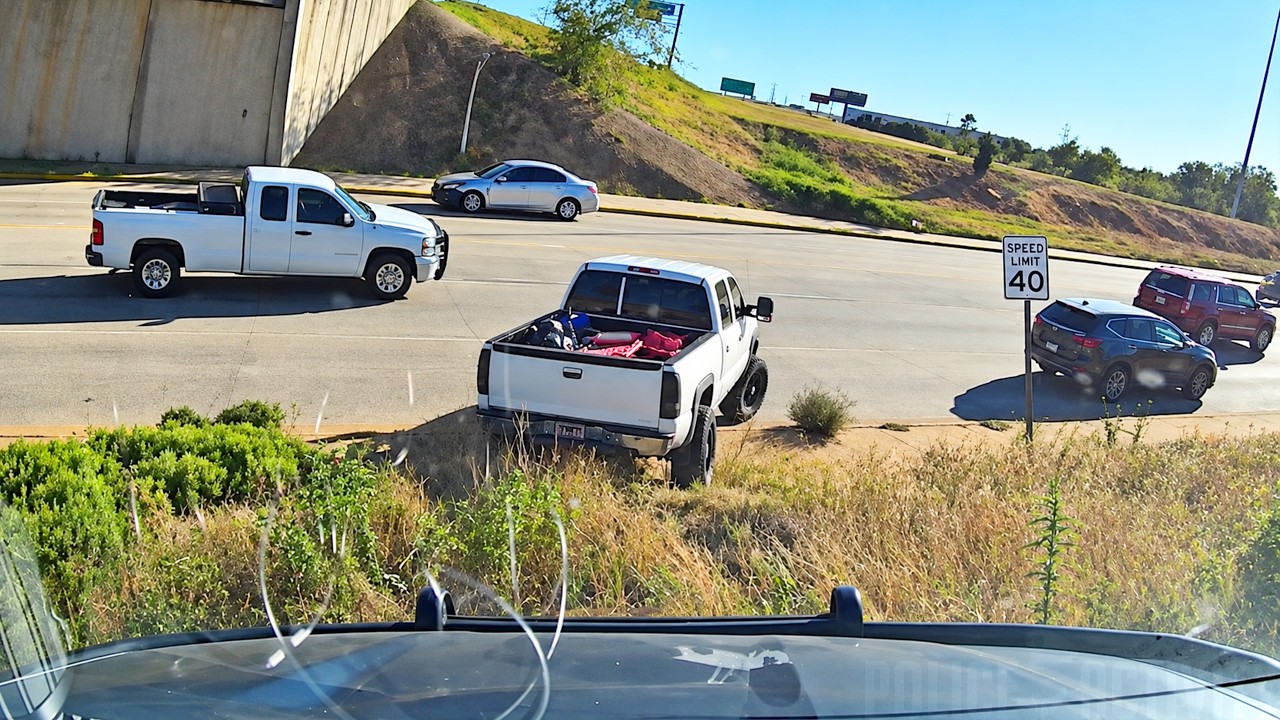
One of the most notable aspects of this specific event, as detailed in the source material, is the driver’s decision to leave paved surfaces entirely. Rather than remaining on standard roads, the driver repeatedly veered into open fields and grassy areas, forcing pursuing officers to follow across rough terrain that is typically unsuited for standard patrol cruisers.
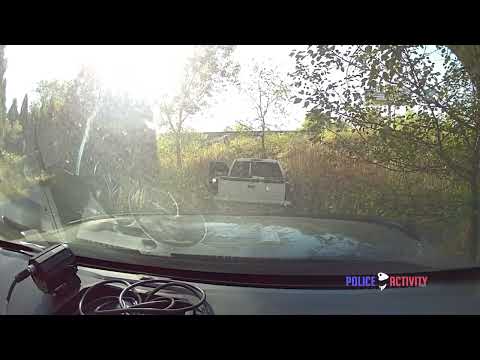
Dashcam footage documented the truck traveling through tall grass and weeds near 122nd Street. Navigating natural terrain presents severe mechanical and operational hurdles for law enforcement vehicles, which are generally engineered for paved streets rather than ditches, fields, and uncultivated land. Officers must balance the necessity of apprehension against the physical risks of operating heavy vehicles in rough environments.
The tactical implications of off-road pursuits include reduced traction, hidden obstacles such as rocks or ditches, and potential mechanical failure for both the fleeing vehicle and the police cruisers. Observers of police video content frequently analyze these segments to understand the physical limitations and hazards encountered by field personnel during non-standard operations.
Mechanical Strain and Vehicle Performance Issues
Operating a motor vehicle at high speeds and across rough terrain places extreme stress on mechanical components, a factor clearly visible in the recorded documentation. The source notes that at several points throughout the incident, the pickup truck became stuck or appeared close to breaking down, only for the driver to manage to get the vehicle moving again and continue fleeing.
Suspension systems, tires, transmissions, and cooling systems are pushed to their absolute limits when a heavily modified or lifted truck is driven aggressively through weeds, mud, and unpaved fields. These mechanical vulnerabilities often dictate the ultimate conclusion of vehicular pursuits, as persistent wear frequently leads to total mechanical immobilization.
Analyzing vehicle performance under distress involves looking at how modified trucks handle atypical stresses. While a lift kit and large tires provide ground clearance for designated off-road use, fleeing law enforcement across urban fields introduces unpredictable hazards that can quickly overwhelm the mechanical integrity of any automobile.
Conclusion of the Pursuit and Foot Escape
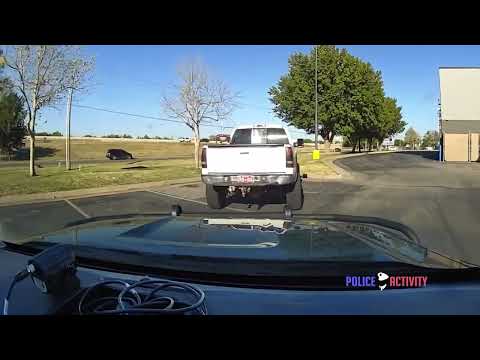
The vehicular portion of the incident concluded near railroad tracks beneath the turnpike, close to the Broadway Extension exit. According to the video description, the driver abandoned the disabled vehicle at this location and ran away on foot. Abandoning a car typically indicates that the vehicle is no longer operational or that the driver perceives a higher chance of evasion on foot.
Law enforcement protocol during a foot bail-out requires establishing perimeters, deploying K9 units if available, and coordinating ground searches to locate fleeing individuals safely. Officers must secure the immediate area while managing potential hazards such as active railway lines, uneven terrain, and limited visibility beneath overpasses.
While the vehicle was successfully disabled and secured, the immediate outcome regarding the primary driver differed from that of the vehicle’s other occupant. The distinction between the fate of the driver and any passengers highlights the complex nature of multi-person vehicle stops and subsequent foot pursuits.
Status of the Suspects and Legal Due Process
Official reporting on active police matters often reflects a developing status regarding suspect apprehension. According to the source material, responding officers took the passenger into custody at the scene, but the driver remained at large as of the latest reports cited in the original coverage, and authorities had not confirmed whether he was subsequently apprehended.
Under the principles of the legal system, all individuals involved in police incidents are presumed innocent until proven guilty in a court of law. A video description or preliminary news report only captures a snapshot of an ongoing investigation, and final legal determinations require formal charges, court hearings, and adjudication through the judicial process.
Readers seeking to understand these events should consult official police blotters, court records, and statements from municipal authorities for verified updates. Relying on primary law enforcement sources ensures that community members receive accurate information regarding arrests, formal charges, and the ultimate resolution of criminal investigations.
Verifying Public Safety Footage and Investigative Records
Navigating the vast amount of public safety and police video content available online requires critical thinking and media literacy. Viewers should examine whether video descriptions cite specific law enforcement agencies, dates, and geographic locations. The source material for this incident clearly specifies Oklahoma City, October 6, 2026, and specific landmarks such as the Walmart Supercenter, Kilpatrick Turnpike, and Broadway Extension, which allows independent researchers to cross-reference the claims with local news archives.
Official public records serve as the gold standard for verifying the accuracy of any video depiction. Police blotters, incident reports, booking logs, and court filings contain sworn statements and verified timelines that supersede the edited summaries often found on social media video channels. When discrepancies arise between video descriptions and official police communications, reliance on authenticated municipal documents ensures that the public receives accurate, verified information regarding public safety incidents.
Safety lessons derived from police pursuits frequently inform departmental training programs and policy updates. Agencies review dashcam recordings to evaluate tactical effectiveness, communication clarity, and risk management strategies. By analyzing how pursuits unfold across paved highways, industrial lots, and open fields, law enforcement trainers can refine protocols to protect both officers and the communities they serve, ensuring continuous improvement in public safety response standards.
Urban Infrastructure and Turnpike Transit Dynamics
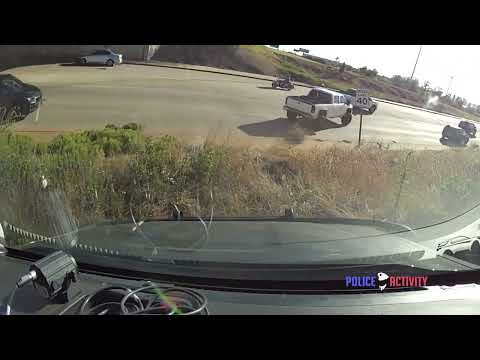
Metropolitan transportation networks, such as those connecting the Kilpatrick Turnpike and the Broadway Extension in Oklahoma City, are engineered to manage steady flows of commercial and private traffic. When a high-speed vehicle pursuit intersects with these major arteries, the operational challenges for law enforcement multiply exponentially. Turnpike corridors feature limited access points, elevated overpasses, and high speed limits, which narrow the tactical options available to pursuing patrol units seeking to safely terminate a chase.
Infrastructure elements like railway crossings and industrial access roads further complicate pursuit dynamics. The presence of railway tracks beneath turnpike overpasses creates natural bottlenecks where vehicles traveling off-road or attempting reckless maneuvers can easily become trapped. Civil engineers design these transit corridors for efficiency and safety, not for off-road automotive navigation. Consequently, when a modified pickup truck leaves the paved lanes to bypass traffic, it interacts with urban infrastructure in ways that frequently result in mechanical failure or total immobilization.
Analyzing the physical geography of a pursuit helps explain why certain police chases conclude in specific locations. Without the physical barrier presented by the railway tracks and the turnpike embankment, the white lifted Chevy truck might have continued its erratic flight across additional acreage. Public safety explainers utilize these geographic details to contextualize dashcam footage, ensuring that readers understand how terrain, turnpike design, and urban planning directly influence the unfolding actions of both fleeing drivers and pursuing officers.
Retail Security and Initial Response Protocols
The events detailed in the source video description originated inside a Walmart Supercenter located at 2000 W. in Oklahoma City. Modern retail establishments deploy trained loss prevention personnel and comprehensive surveillance systems to monitor merchandise and deter retail theft. When store security confronted the suspect, the individual chose to abandon the disputed items and exit the property. This immediate decision by the suspect to leave the retail floor without merchandise marks the initial point of interaction recorded in the narrative timeline.
Retail security protocols are designed primarily to protect store assets and ensure the safety of shoppers and employees without escalating situations into physical violence. Once an individual departs the premises, loss prevention personnel typically notify local law enforcement agencies, providing vehicle descriptions, license plate numbers, and travel directions. These early phone calls to police dispatch centers initiate the sequence of events that leads patrol units to intercept suspects on nearby roadways, transforming a retail security call into an active traffic enforcement situation.
Investigating the foundational moments of a police pursuit underscores the multi-layered nature of urban law enforcement response. Officers on patrol rely heavily on dispatch notes generated from retail security reports to identify targets in busy commercial districts. While the video recording published by PoliceActivity focuses predominantly on the subsequent vehicle chase and off-road driving, understanding the Walmart Supercenter origin point provides essential context for why the Oklahoma City Police Department initially attempted to conduct a traffic stop on the white lifted pickup truck.
Aftermarket Modifications and Vehicle Capabilities
The vehicle at the center of this Oklahoma City police pursuit was specifically identified in the source description as a white lifted pickup truck. Aftermarket suspension modifications, commonly referred to as lifts, alter a truck ground clearance, wheel articulation, and overall center of gravity. While these modifications are frequently installed for aesthetic purposes or genuine off-road utility on designated trails, they introduce distinct handling characteristics when driven at high speeds on paved turnpikes or maneuvered erratically through urban traffic.
During a high-speed pursuit on the Kilpatrick Turnpike, a lifted truck experiences different aerodynamic forces and weight distribution compared to standard factory vehicles. As captured on dashcam footage, the driver attempted to weave around civilian traffic while maintaining high velocities before transitioning onto rough terrain near 122nd Street. The ability of the truck to traverse tall grass, weeds, and dirt embankments is directly tied to its modified suspension and larger tire profile, which provide enhanced clearance over uneven obstacles that would stop a standard passenger car.
However, aftermarket modifications do not exempt a vehicle from mechanical failure under extreme operational stress. The source notes that the pickup became stuck or appeared close to breaking down multiple times before the driver managed to resume flight. Automotive experts and enthusiasts often examine such incidents to evaluate how modified components withstand severe abuse outside controlled environments. Public safety video explainers document these vehicle characteristics strictly as physical observations reported in the source material, avoiding speculation regarding the quality or legality of the aftermarket parts installed on the truck.
Media Documentation and Public Information Standards
The publication of unedited or lightly edited police footage by channels such as PoliceActivity represents a significant shift in how the public consumes news regarding public safety and law enforcement operations. Digital video archives allow citizens to observe dashcam recordings, aerial feeds, and body-worn camera footage directly, offering an unprecedented level of transparency. However, watching raw video clips requires careful media literacy, as visual recordings capture only the external physical actions of an incident without providing the complete investigative backstory or formal legal context.
Professional public safety reporting standards mandate a strict adherence to verified facts, particularly when covering ongoing police investigations involving suspects who remain at large. Responsible media explainers must clearly distinguish between documented visual evidence, such as a truck driving through weeds or turning off a turnpike exit, and unverified rumors or speculation. By attributing every claim directly to the source video description and emphasizing the presumption of innocence, writers ensure that readers receive an objective account that respects due process and legal boundaries.
As digital platforms continue to archive and distribute law enforcement videos, the role of explanatory journalism becomes increasingly vital. Readers navigating online video content should cross-reference visual summaries with official municipal records, police department statements, and verified journalism outlets. Maintaining this analytical approach prevents the spread of misinformation and fosters a more informed public discourse surrounding vehicle pursuits, traffic safety laws, and the complex duties performed daily by metropolitan police departments across the country.
More source-attributed coverage appears in the Crime News section.
Frequently asked questions
Where did the police pursuit begin?
According to the video description, the incident began near a Walmart Supercenter located at 2000 W in Oklahoma City, Oklahoma.
What date did the reported incident take place?
The source states that the events occurred on October 6, 2026.
What type of vehicle was the driver operating?
The video description identifies the vehicle as a white lifted pickup truck.
What speeds were reached on the turnpike?
The pursuit reached speeds of approximately 80 mph on the Kilpatrick Turnpike.
What was the status of the driver following the pursuit?
The driver abandoned the vehicle and fled on foot, remaining at large with no confirmation of apprehension in the latest cited reports.
Source video