
small boat search and rescue training is the focus of this Navyago draft because recovery work at sea depends on timing, crew coordination, and clear evidence rather than dramatic claims. The public DVIDS source says sailors aboard USS George Washington conducted small boat search and rescue training while in port at Commander, Fleet Activities Yokosuka.
This article uses that source as the starting point and keeps the claims narrow. It does not turn a training video into a combat story. Instead, it explains what readers can learn from a routine-looking drill: how a crew prepares, why a small boat changes the rescue problem, and what public footage can reasonably show.
For related naval operations context, readers can compare this with the Navyago Navy ship archive, where training stories often reveal the quiet systems behind larger maritime readiness.
Table of Contents
Why Small Boat Rescue Training Matters
Small boat search and rescue training matters because many maritime emergencies are decided before the rescue craft reaches the person or object in the water. The crew has to launch safely, keep communications clear, maintain awareness around the ship, and approach without creating a new hazard.
According to the DVIDS source page, the training involved sailors aboard the Nimitz-class aircraft carrier USS George Washington. That detail matters because a carrier is a large operating environment. A small boat moving near a major ship has to work inside procedures that protect the boat crew, the ship, and anyone being recovered.
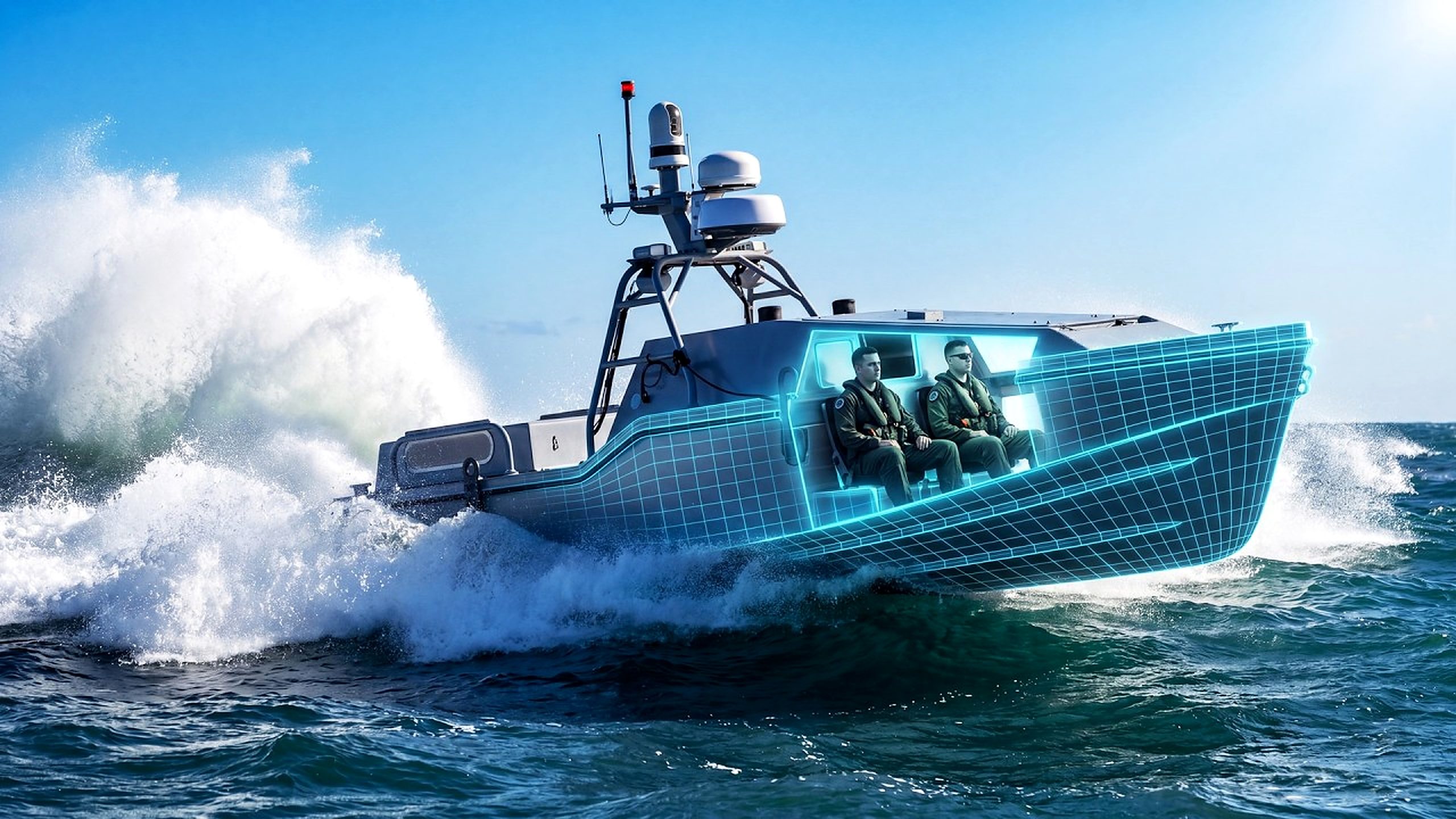
What The Source Video Shows
The source video is useful because it points readers toward observable training rather than anonymous claims. A reader can look for boat handling, the distance from the ship, crew posture, and whether the training appears coordinated with the larger command environment.
Public training footage usually does not reveal every procedure. It may not show the full radio traffic, pre-briefing, safety plan, or exact command checklist. That limit is normal. The right way to read the video is to separate what is visible from what remains part of internal training practice.
That is why this Navyago draft avoids stretching the video beyond its source description. It shows a training event and gives readers a framework for understanding why the event matters. It does not claim a real rescue occurred unless the source says so.
Crew Timing And Safety Are The Real Story
In a rescue drill, speed is important, but speed alone is not the standard. A fast approach that puts the boat in the wrong position can make the recovery harder. A careful approach that takes too long can also fail the training goal. The crew has to find the safe middle.
Small boat crews train for that balance. They need to read water movement, ship position, equipment readiness, and the behavior of the person or object being recovered. The larger ship also has to maintain awareness so the small boat is not treated as an afterthought around a busy deck and harbor environment.
For Navyago readers, the lesson is that a short training clip can represent a much larger readiness system. Launch, approach, recovery, communication, and reset all have to work together. The video is not only about a boat in the water; it is about whether a crew can repeat the steps under pressure.
How Readers Should Evaluate The Footage
Readers should start with the source. The DVIDS page identifies the video title, source organization, location context, and a short description of the training. That is stronger than a repost with no context because it gives the audience a traceable origin.
Next, readers should check whether later articles keep the same scope. If a headline turns routine training into a dramatic incident, that is a warning sign. If an article explains the training value while staying within the source, the coverage is more useful.
Finally, readers should look at what is missing. Public footage may show the visible recovery practice, but it may not show the planning meeting, risk assessment, or after-action review. Those missing parts should not be invented. They should be described as likely parts of a training system only when the wording remains careful.
Navyago Takeaway
The Navyago takeaway is that small boat search and rescue training is a readiness story, not a spectacle story. The drill matters because maritime emergencies leave little room for confusion. A crew that has practiced launch timing, approach discipline, and recovery coordination is better prepared when a routine day becomes urgent.
This is also why source-based writing matters. The DVIDS source gives a specific event: sailors aboard USS George Washington conducting small boat search and rescue training. Navyago’s job is to make that event understandable without adding unsupported drama.
FAQ
What is small boat search and rescue training?
It is training that helps sailors practice launching, handling, approaching, and recovering safely with a small boat during maritime rescue situations.
Does this article describe a real emergency?
No. According to the DVIDS source, the video is about training. This draft explains the training value rather than claiming that an actual emergency happened.
Why does a carrier need small boat rescue training?
A large ship still needs smaller recovery options for certain situations. Small boats can support rescue practice, harbor operations, and close-range recovery scenarios when used under proper procedures.
What should readers check in the source?
Readers should check the source page, the described location, the training context, visible boat handling, and whether any article stays within what the source actually supports.
Source Video
Sources: DVIDS, “Small Boat Search and Rescue Training,” video ID 966909, and Navyago Navy ship archive context, accessed 2026-06-30. Source URL: https://www.dvidshub.net/video/966909/small-boat-search-and-rescue-training