
Traffic stop shootout manhunt video is a source-based recap of the PoliceActivity video titled Traffic Stop Turns into Shootout and Hours Long Manhunt. The video ID is ZMiUTSmGR9k. This article explains what the source frame can support, how official Ohio Attorney General records fit the case, and what readers should not treat as settled from one video alone.
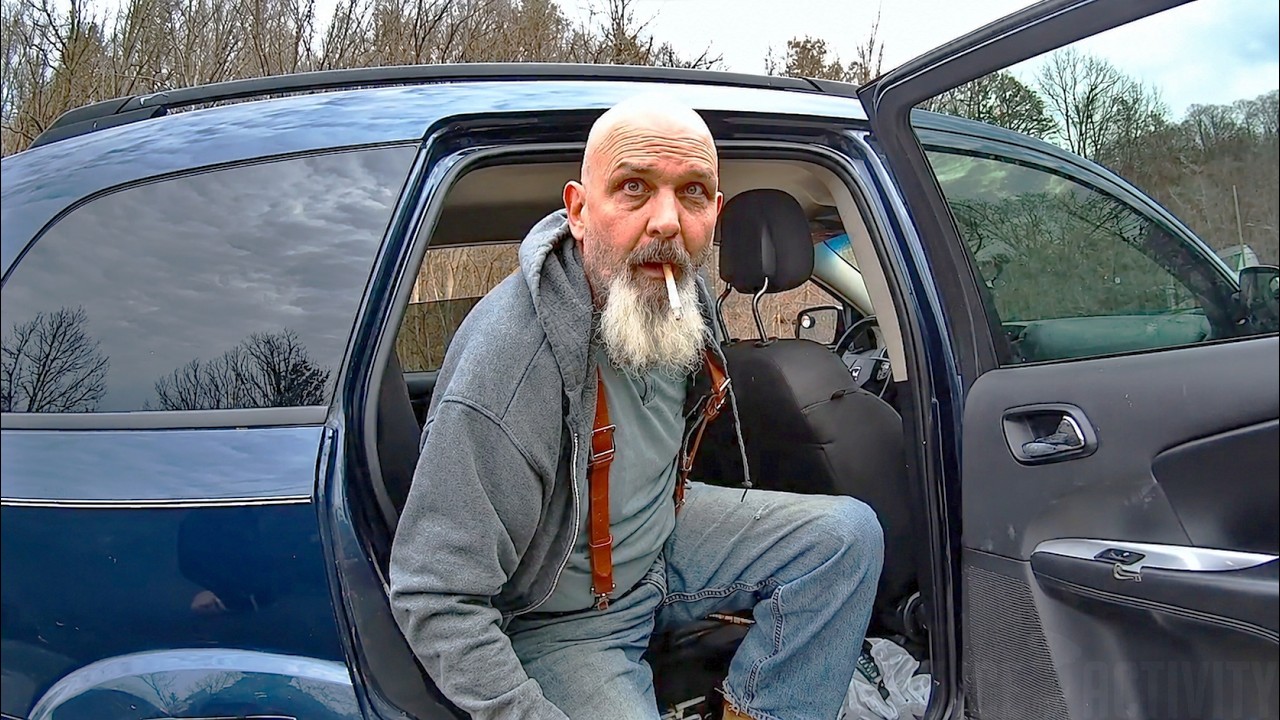
Table of Contents
Use this traffic stop shootout manhunt video recap as a source map: it points to the original video, marks the official-record route, and keeps unsupported conclusions out of the public article.
Source Lock For This Traffic Stop Shootout Manhunt Video
The primary source for this article is the PoliceActivity YouTube video at https://www.youtube.com/watch?v=ZMiUTSmGR9k. The source title says the incident began as a traffic stop, turned into a shootout, and then involved a long manhunt. That is the editorial boundary for this recap. The article does not replace the video, and it does not claim to have a full court record.
The supporting official source is the Ohio Attorney General investigative-documents page, which lists officer-involved critical incident materials and related downloadable records. For readers, the official-document layer matters because a video upload can show selected footage and a source description, while the official index can show what investigative material exists beyond the edit. The safer way to read the story is to keep those layers separate.
Navyago’s role is not to intensify the source title. The useful article is narrower: identify the source, summarize what the source framing supports, connect it to official-record context, and explain the open questions that a video cannot resolve by itself. That is especially important when a police incident includes gunfire, a manhunt, injury, death, or allegations that may later be reviewed by investigators or prosecutors.
For that reason, this traffic stop shootout manhunt video is treated here as a source record for reader understanding, not as a verdict about every person, agency decision, or later legal issue tied to the incident.
This source also belongs in Navyago’s Crime News coverage because it is a public-interest police video, not a product review or personality gossip item. Readers who want related source-first coverage can browse Navyago Crime News.
Seven Source Facts Readers Can Safely Use
First, the source video is a PoliceActivity upload, and the locked video ID is ZMiUTSmGR9k. That matters for source matching because the article thumbnail, body image, source note, and YouTube iframe must all point to the same source package. A different thumbnail or a nearby police video would be a wrong-source fail.
That source lock is also why the traffic stop shootout manhunt video should not be swapped with a similar police upload, even if another title, thumbnail, or clip appears to describe a nearby type of incident.
Second, the source title frames the case around a traffic stop that escalated into a shootout and a manhunt. The article can repeat that as source framing. It should not expand the title into a claim that every legal fact has already been proven or that the video alone explains motive, intent, or final responsibility.
Third, the public playlist metadata available to this workflow identifies a long-form video, not a short clip. The flat playlist record lists a 20:01 duration and a six-figure view count at the time of the local source check. Those numbers are useful only as source-package evidence, not as a claim about the legal importance of the case.
Fourth, the official Ohio Attorney General documents page is the right kind of support source because it points readers toward investigative materials rather than social-media speculation. If a reader wants to go beyond the edited source video, official records are the next layer to inspect.
Fifth, the article should treat any suspect, driver, deputy, witness, or person named in source material with attribution. Phrases such as “the source reports,” “official records list,” and “the video presents” are not weak language. They are the difference between an explainer and an accusation.
Sixth, a traffic stop shootout manhunt video can be useful for public-safety learning even when it does not answer every legal question. It can show how quickly a stop can change, how officers communicate danger, and why later documentation matters.
Seventh, the strongest takeaway for readers is procedural: inspect the original source, compare it with official documents when available, and avoid turning a traffic stop shootout manhunt video title into a verdict.
Why The Traffic Stop Shootout Manhunt Video Detail Matters
The traffic stop detail matters because it gives readers the starting point. Many police videos are watched from the most dramatic moment forward, but a source-first recap should begin earlier. A stop may start with an ordinary roadway contact, a reported violation, a warrant question, an officer-safety concern, or a vehicle check. The source title says this case began with a traffic stop, so the article keeps that starting point visible.
That starting point does not tell the whole story. A traffic stop is a legal and safety event with multiple possible outcomes. It may end with a warning, a citation, an arrest, a vehicle search, a foot pursuit, a medical response, or, in rare cases, violence. The source title tells readers that this stop escalated. It does not tell readers to assume the entire legal file is contained in the YouTube video.
For public understanding, the escalation is the key issue. When a police contact changes from a roadside stop into gunfire, time compresses. Officers, drivers, passengers, bystanders, dispatchers, and responding units may have only seconds to interpret movement and risk. A recap can explain that dynamic without declaring that every action was justified or unjustified. That final judgment belongs to official review, court records, or responsible later reporting.
As a traffic stop shootout manhunt video, the source is useful because it keeps the starting point, escalation, and later search in one reader-facing frame without replacing official review.
The focus keyword, traffic stop shootout manhunt video, therefore describes the source topic, not a legal conclusion. Readers should understand that difference before watching or sharing the video.
How The Manhunt Framing Should Be Read
The source title also says the incident led to an hours-long manhunt. A manhunt can mean many operational details: search perimeter, radio coordination, agency backup, residence checks, road closures, or attempts to locate a person after gunfire. The source title gives the broad frame, while official records and later reports are needed for precise sequence, timing, and outcomes.
A fair article does not need to dramatize the word “manhunt.” It can explain why that frame matters. When an incident moves beyond the original stop scene, the public-safety footprint widens. More people may be affected, including nearby residents, drivers, local businesses, responding officers, and emergency medical personnel. Search operations can also create confusion online because viewers may see only one part of the event.
A traffic stop shootout manhunt video can compress that wider footprint into a few dramatic moments, so this recap keeps the operational frame separate from final legal conclusions.
This is where source discipline matters. If a video shows a stop and a later search, viewers may assume a continuous chain of events. If the source description or official documents add more steps, the article should not collapse those steps into a simplified chase story. A source-based explainer should say what is directly tied to the video and what requires additional records.
In other words, the traffic stop shootout manhunt video gives readers an entry point into the incident, while the broader public record is still needed for sequence, responsibility, agency review, and final legal meaning.
The safer reader question is not “who was right from the thumbnail?” The safer question is: what does the source show, what does the source say, what do official records list, and what remains outside this article’s evidence package?
Official Records And Why They Matter
The Ohio Attorney General investigative-documents page is important because police shooting and critical incident videos are often only one layer of a larger record. Official pages can list overviews, investigative reports, affidavits, audio, video, radio traffic, body camera files, and related documents. Those materials help readers avoid treating a single edited upload as the entire case file.
For a traffic stop shootout manhunt video, that official-record layer is especially important because a roadside start, an exchange of gunfire, and a later search can involve separate facts that viewers may otherwise blend together.
That does not mean every official document settles every public question. Documents can also be partial, technical, dated, or focused on a specific agency role. Still, they give readers a better path than comments, rumor, or a title alone. In a case involving a traffic stop, exchange of gunfire, and manhunt, official-document context is not optional if the article wants to stay fair.
When a traffic stop shootout manhunt video is shared widely, the official-record link gives readers a second path beyond the upload, the thumbnail, and the most dramatic moment.
Navyago should also avoid pretending to be a court. If an official page lists investigative materials, the article can say that official records exist and link readers to them. It should not announce a final legal result unless that result is present in reliable records. This is why the language here stays careful: “source video,” “official records,” “source title,” “the video presents,” and “readers should verify.”
For readers who follow related Navyago source-video explainers, the same method was used in the barricaded suspect apartment fire video recap: source first, attribution second, legal-safe conclusion last.
What The Video Cannot Decide
A video can show a visible event, but it cannot always decide legal meaning. The traffic stop shootout manhunt video can help readers understand the source presentation. It cannot, by itself, prove motive, final guilt, final justification, civil liability, agency policy compliance, or whether later legal action changed the public picture.
This is the central limit of any traffic stop shootout manhunt video: it can inform public understanding, but it should not be turned into the complete record unless official documents and later reliable reporting support that wider conclusion.
Readers should be especially careful with words that sound final. A phrase such as “confirmed,” “proved,” “intentional,” or “criminal” can go beyond the source unless a reliable official record says exactly that. This article avoids those jumps. It describes the source title and official-record context, then leaves final legal interpretation where it belongs.
The video also cannot represent every perspective. It may include body camera, dashcam, surveillance, radio traffic, narration, captions, or edited source ordering. Each layer can be useful and incomplete. A body camera can show what one officer saw. A dashboard camera can show roadway context. A radio clip can show what was communicated. None of those automatically contains the full investigation.
That is not a reason to ignore the video. It is a reason to watch it responsibly. The source can be valuable for public understanding if readers keep the evidence level clear.
Reader Checklist For Police Source Videos
Before forming an opinion from a traffic stop shootout manhunt video, readers can use a simple checklist. First, identify the primary source and video ID. Here, the source is PoliceActivity video ZMiUTSmGR9k. Second, check whether an official agency or official document page exists. Here, the Ohio Attorney General investigative-documents page provides the official-record route.
A traffic stop shootout manhunt video should be read in stages: source upload first, official-record route second, legal-safe interpretation third, and final conclusions only when later records actually support them.
Third, separate direct source facts from interpretation. The source title says traffic stop, shootout, and manhunt. It does not make the article a court judgment. Fourth, look for what is missing. If the full transcript, complete court file, or final prosecutorial decision is not in the article, the article should not pretend those materials were reviewed.
Fifth, watch for dignity and privacy. Public-interest reporting does not require unnecessary private details, addresses, graphic descriptions, or speculation about mental health. The reader can understand the safety issue without turning the article into a profile of people beyond the source record.
Sixth, check whether the media matches the source. This page uses the source video thumbnail and one source video iframe. That protects the reader from a common mismatch: a dramatic card image from one event attached to an article about another event.
Seventh, keep the conclusion narrow. The responsible conclusion is that the source video and official-record context make this incident worth careful reading. The article does not tell readers what a court, review board, or agency should decide.
Source Video
The embedded source below is the same traffic stop shootout manhunt video identified in the source pack, thumbnail file, body image, Rank Math focus keyword, and public source note for this Navyago article.
FAQ
What is the traffic stop shootout manhunt video?
The traffic stop shootout manhunt video is a PoliceActivity source video titled Traffic Stop Turns into Shootout and Hours Long Manhunt. This Navyago recap treats the video as a public source and links to the original video ID ZMiUTSmGR9k.
Does the video prove a final legal outcome?
No. The traffic stop shootout manhunt video can show and frame parts of the incident, but final legal meaning depends on official records, review findings, court documents, and later reliable updates.
Why include the Ohio Attorney General documents page?
The Ohio Attorney General page gives readers an official-record route for investigative materials. It helps separate video presentation from the wider case file.
Why does Navyago use cautious language?
Cautious wording protects accuracy. It keeps source claims, official records, allegations, visible footage, and final conclusions in separate categories.
Sources
Sources: Primary source video: PoliceActivity, Traffic Stop Turns into Shootout and Hours Long Manhunt, YouTube video ID ZMiUTSmGR9k, https://www.youtube.com/watch?v=ZMiUTSmGR9k. Official-record context: Ohio Attorney General investigative documents page, https://www.ohioattorneygeneral.gov/SpecialPages/Investigative-Documents. This traffic stop shootout manhunt video article is a source-based explainer and does not replace official records, emergency guidance, legal advice, or a final court outcome.