
Officer shoots armed suspect video from PoliceActivity shows a San Antonio attempted arrest that ended with police gunfire after a foot chase, according to the source description. The channel says the May 29, 2026 call involved a wanted individual with felony warrants, a recovered handgun, and a 31-year-old suspect taken to a hospital.
This explainer stays inside that source record. It does not decide whether the shooting was legally justified, whether every tactic followed policy, or what final court or administrative review may find. The goal is narrower: to make the source video understandable, separate visible footage from later legal conclusions, and give readers a responsible way to read the public record.
Officer Shoots Armed Suspect Video: What the Source Reports
The source is a PoliceActivity video titled “Officer Shoots Armed Suspect During Attempted Arrest.” PoliceActivity describes the upload as educational and informational, and the video page attributes the incident to San Antonio, Texas. The source description says the call came out at about 1:24 p.m. on May 29, 2026, in the 2900 block of Chihuahua Street.
According to that description, officers were responding to a wanted individual with felony warrants. It says the person ran when San Antonio Police officers arrived, and it says the shooting happened during the chase. The source also says a handgun was recovered in the same location where the suspect was shot. Those details are important, but they are not the same as a complete investigative file.
The source description says the 31-year-old male suspect was transported to a hospital. It also says the officer involved had under two years of service with the San Antonio Police Department. This article does not identify the suspect beyond the source description, and it does not add charges, medical outcomes, or agency findings that are not included in the reviewed source.
Timeline From Callout to Foot Chase
The source timeline begins with a wanted-person call. A call about felony warrants is different from a casual encounter because responding officers may expect the person to know they are being sought and may expect an attempt to flee. Even so, a warrant call does not answer every question about tactics, commands, distance, cover, visibility, or the timing of force.
The public video begins with a fast-moving outdoor encounter. The transcript is fragmentary, but it captures shouted commands and reactions. It includes lines such as “come here,” “he’s got a gun,” “stay down,” and “let me see your hands.” Automatic captions are not a complete record, so those lines should be read as supporting context rather than a full transcript.
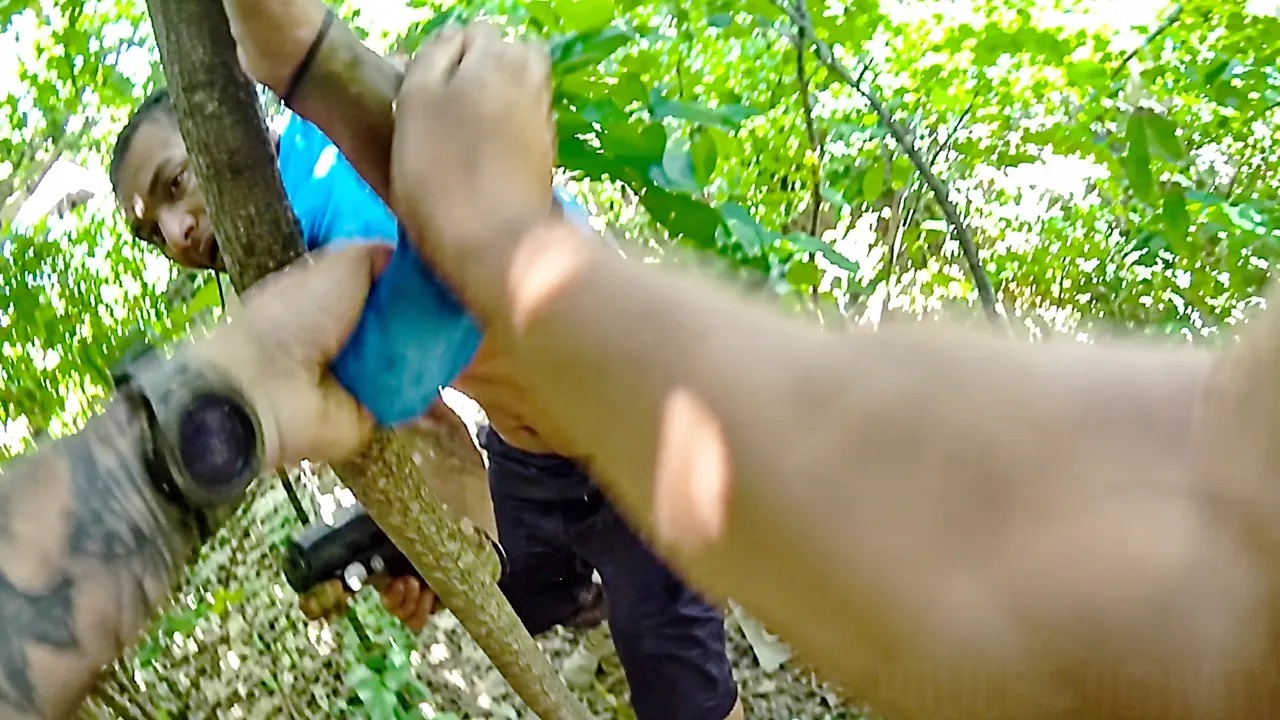
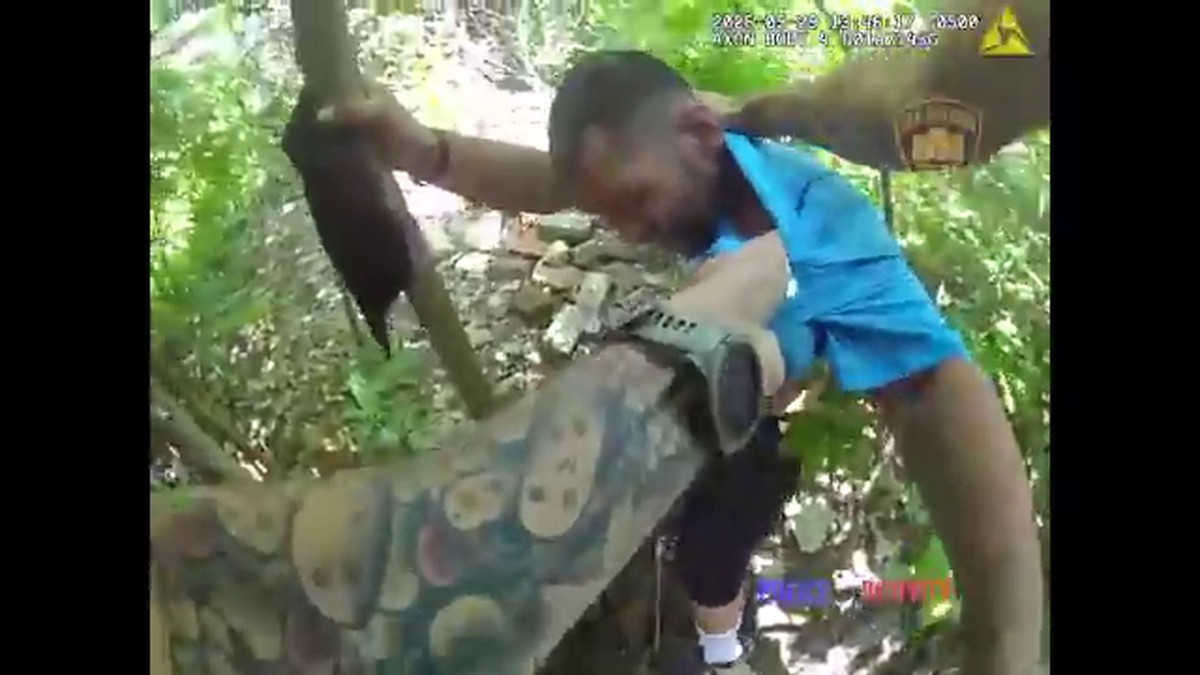
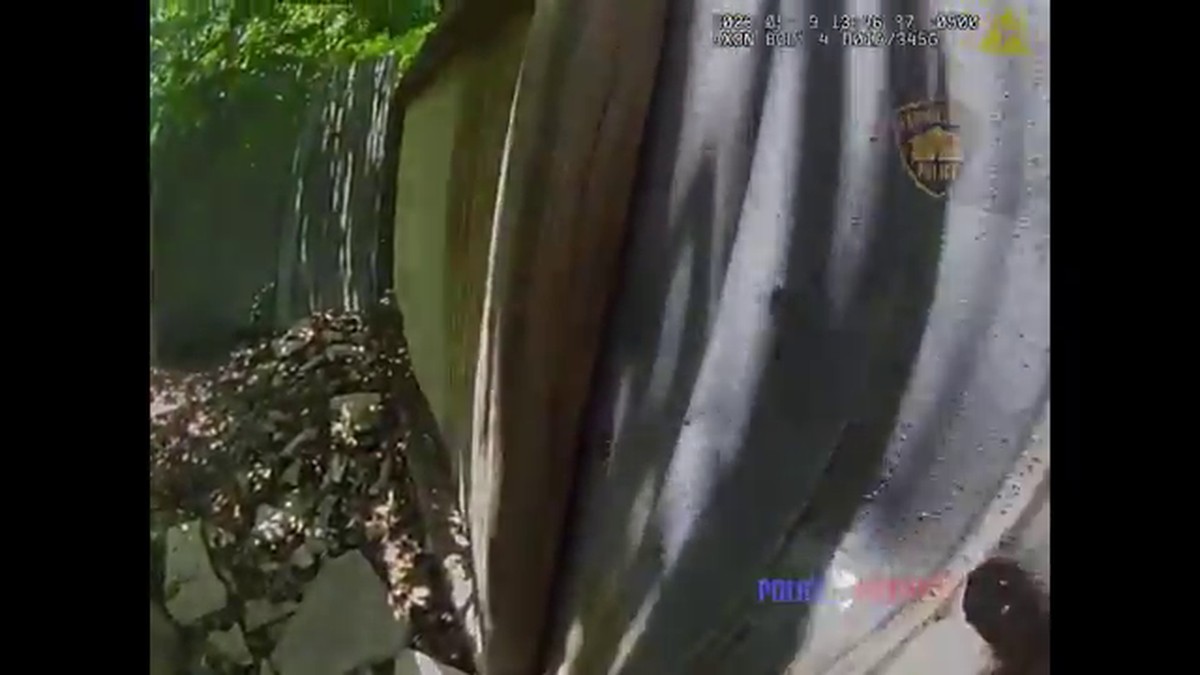
The setting also matters. The footage appears to move through brush, trees, and uneven ground. That kind of environment can affect visibility, body movement, line of sight, and how quickly people can comply with commands. It can also make a short clip hard to interpret because body-camera perspective is close, unstable, and sometimes blocked by arms, trees, or movement.
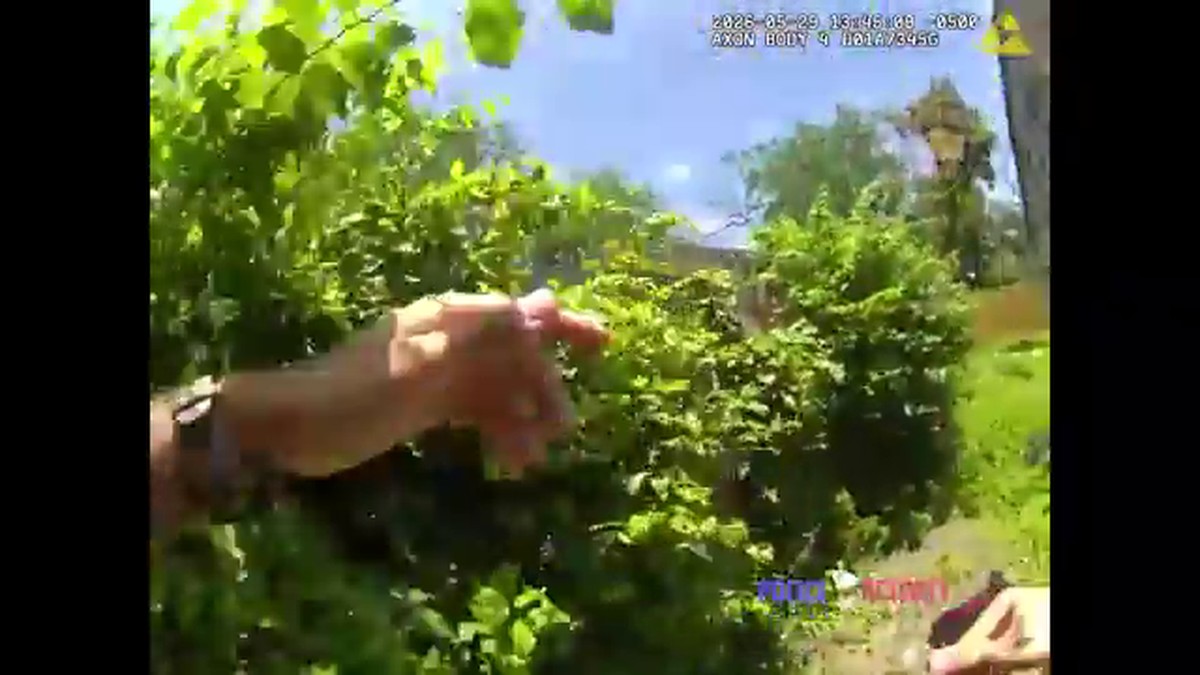
The PoliceActivity description summarizes the outcome in plain terms: the suspect was shot during the chase and a handgun was recovered in the same location. That is the strongest sourced sequence available here. It still leaves questions that may require police reports, a prosecutor review, body-camera files, witness interviews, dispatch records, radio traffic, and physical-evidence documentation.
What the Footage Can and Cannot Establish
The officer shoots armed suspect video can help readers understand the broad sequence: officers arrive for an attempted arrest, a person runs, the encounter moves into a wooded or brushy area, officers give commands, someone says there is a gun, and police gunfire follows. The footage is useful because it gives public viewers a source to inspect rather than relying only on a written summary.
However, a short online video cannot establish every legal or policy conclusion. It cannot, by itself, show what officers knew before the chase, every command given off camera, every radio update, whether other footage exists, the complete position of the handgun, or the final medical and legal outcome. A body camera sees from one angle, and that angle is not the same as a complete reconstruction.
That limitation is especially important with use-of-force footage. Viewers may be tempted to freeze a single frame and make a final judgment. A responsible source-based article should resist that. The more careful questions are: what did the source actually report, what is visible, what is not visible, and what would a full official review need before reaching a conclusion?
For a related Navyago example of careful wording around police footage and unresolved review questions, see the explainer on a swatting call police shooting. The same source-first rule applies here: footage can inform readers, but it does not replace the complete record.
Why the Recovered Handgun Detail Matters
The source description says a handgun was recovered in the same location where the suspect was shot. That statement is relevant because a weapon recovery can affect the way officials review an encounter, but the wording still needs care. It does not automatically answer when the handgun was visible, how it was held, where it was recovered relative to the person, or what each officer perceived at the instant force was used.
Readers should separate three layers. The first layer is what the source says: a handgun was recovered at the location. The second layer is what the footage appears to show: a fast chase, commands, and a short critical moment. The third layer is what a final review may decide after examining evidence that viewers do not have. Mixing those layers is how short clips become overconfident narratives.
The source transcript includes the shouted line “he’s got a gun,” but automatic captions are imperfect and do not capture the entire official record. It is safer to treat that line as a sign of what the source audio appears to include, not as a complete legal finding. The description’s recovered-handgun statement is the clearer source claim, and even that should be attributed.
Because the description says the officer involved had under two years of service, readers may also ask about training and supervision. That is a fair public-interest question, but it should not become speculation about the officer’s judgment. Experience level may matter to an internal review, but it does not prove policy compliance or noncompliance without the governing policy and complete facts.
Public-Safety Questions After a Short Source Video
Short police videos often spread because they compress a complicated event into a few intense seconds. That makes them attention-grabbing, but it can also flatten the public conversation. In this case, the useful public-safety questions are not only about the moment of gunfire. They also include the warrant context, the decision to pursue on foot, the setting, communication, medical response, evidence recovery, and the later review process.
For residents, the practical lesson is that an attempted arrest can shift quickly when a person runs and officers believe a weapon is present. For police agencies, the questions may include how officers coordinate during a foot chase, how they communicate commands, how they manage cover in outdoor terrain, and how evidence is documented after the scene is secure. None of those questions require the article to declare a final winner or wrongdoer.
Public viewers should also avoid repeating unverified names, medical details, or rumors from comments. The source description identifies a 31-year-old male suspect but does not provide a full legal file. A legal-safe explainer should focus on the event, the source basis, and the review questions instead of turning a person in a short clip into a settled public judgment.
That approach also protects readers. It gives them useful context without asking them to accept a conclusion that the source itself does not establish. The best Navyago article on this type of footage should be clear, sourced, and cautious enough that a reader can tell the difference between reported facts and unanswered questions.
Legal-Safe Reader Checklist
When reviewing the officer shoots armed suspect video, start with the source and then separate each claim by evidence level. The source title and description give the basic frame. The visible footage gives a partial view of movement and commands. The automatic transcript gives a rough audio guide. A full investigation would include more than those three items.
- Confirm the exact source: PoliceActivity video ID uGoPl6i0G7k.
- Keep the location and date tied to the source description: San Antonio, Texas, May 29, 2026.
- Use attributed wording for the callout: the source says officers responded for a wanted individual with felony warrants.
- Use attributed wording for the weapon detail: the source says a handgun was recovered in the same location.
- Do not claim final guilt, policy breach, motive, or legal justification from the online clip alone.
- Look for later official statements, court records, or department review findings before updating the conclusion.
This checklist is not a legal opinion. It is an editorial safety tool for readers who want to understand a public-source video without overstating it. The more sensitive the event, the more valuable narrow wording becomes.
FAQ
What does the officer shoots armed suspect video show?
According to the PoliceActivity source, San Antonio officers responded to a wanted individual with felony warrants, the person ran from officers, police gunfire occurred during the chase, and a handgun was recovered at the same location.
Where did the incident happen?
The source description places the incident in San Antonio, Texas, in the 2900 block of Chihuahua Street. It says the incident happened on May 29, 2026, at about 1:24 p.m.
Does the video prove the shooting was justified?
No. The video is source material, not a final legal or policy decision. A complete review would need more records, including full footage, reports, physical evidence, dispatch details, and applicable policy.
Why does the article repeat “according to the source”?
The phrase keeps claims tied to the available record. It helps readers distinguish what PoliceActivity reported from what would need official confirmation in later records.
Was a handgun involved?
The source description says a handgun was recovered in the same location where the suspect was shot. This article does not add details about the gun beyond what the reviewed source provides.
Source Video
The primary source video is embedded below for context. Viewer discretion is advised because the footage includes a foot chase, police commands, a weapon-related warning, and police gunfire.