
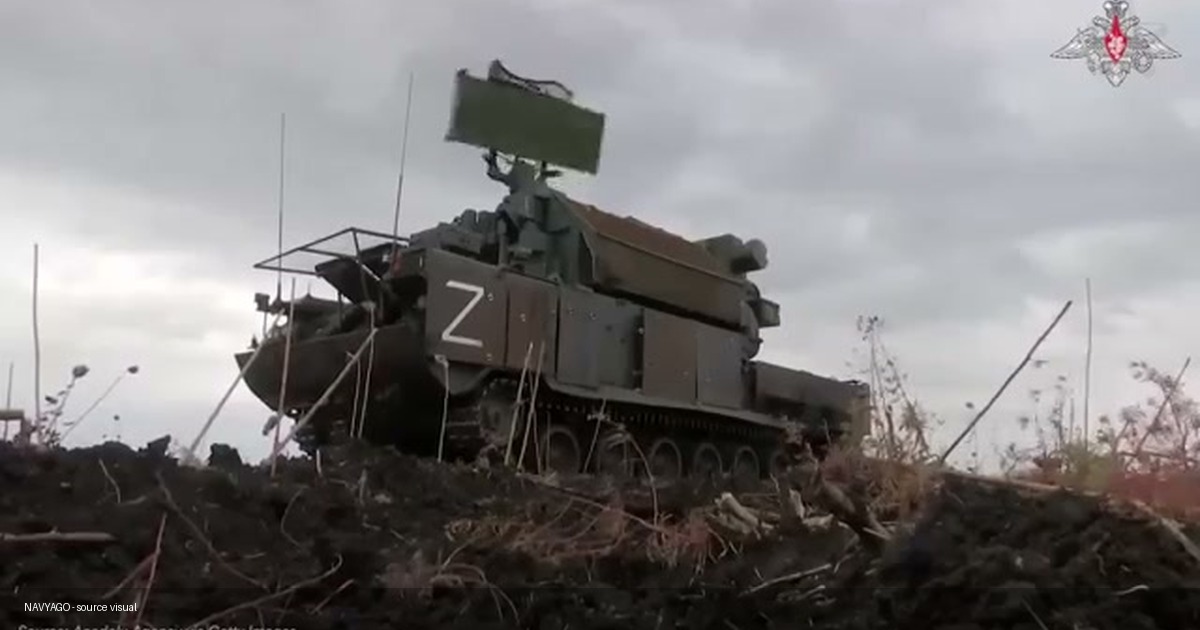
Ukrainian Drone Strike Russian is the focus of this Navyago recap, built from the source video with neutral language, clear attribution, and a careful separation between reported claims and established outcomes.
For more related context, see NavyAgo Home and Latest Stories.
This recap uses neutral language. Allegations, charges, and reported claims should be treated as claims unless a court record or verdict in the source establishes them.
Table of contents
- Ukrainian Drone Strike Russian: Why This Story Is Drawing Attention
- The Reported Timeline Behind Ukrainian Drone Strike Russian
- Key People And Claims In Ukrainian Drone Strike Russian
- What Investigators Reportedly Focused On
- Why Ukrainian Drone Strike Russian Became A Public Conversation
- Legal Context Readers Need For Ukrainian Drone Strike Russian
- How To Read The Source Video Carefully
- Final Navyago Takeaway On Ukrainian Drone Strike Russian
Ukrainian Drone Strike Russian: Why This Story Is Drawing Attention
ukrainian drone strike russian is the center of this Navyago recap, and the useful angle is not only the shock of the headline. The source video points to a story that readers want to understand in sequence: what was reported, who was involved, what investigators said, and why the case continues to draw public interest.
The source material says: Video title: Ukrainian Drone STRIKE Russian Plane – Then THIS Happened… Channel: Beyond Military Upload date: 20260615 Duration: 18:28 View count at extraction: 165006 Description: On the night of May 14-15, 2026, Ukraine’s Unmanned Systems Forces struck a Russian airfield at Yeysk on the Sea of Azov and erased one of the rarest aircraft in Russian naval service: a Beriev Be-200 amphibious jet, with a Ka-27 naval helicopter hit alongside it.
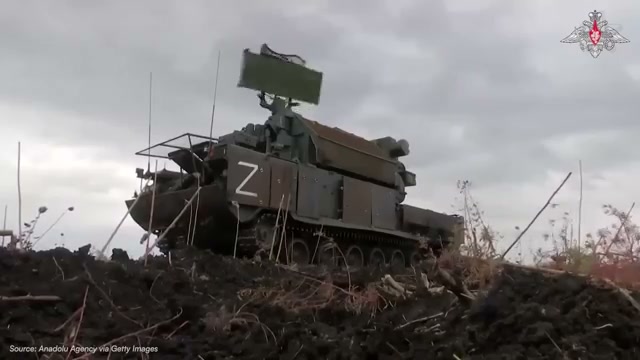
This breakdown reconstructs how several Fire Point FP-2 strike drones reached a target at the very edge of its range, flown in real time over a satellite relay link Russian jammers could not touch. We cover the launch under fire, the FPV escort that cleared the corridor, the electronic-warfare duel over the one radio link Russia could actually reach, the Igla ambush that cost the formation a drone, and the split-second timing that put the airfield’s Tor-M2DT out of action moments before the warhead went into the Be-200. No politics, just tactics, technology, and execution. #ukraine #russia #beyondmilitary Credits:.
That summary is treated as the boundary for this draft. The article does not invent motives, timelines, verdicts, private conversations, or evidence that the video does not support.
Navyago coverage should slow the case down for readers. A strong recap separates the hook from the verified record, explains the timeline, and keeps the wording careful when a person has been accused, charged, convicted, acquitted, or mentioned only in commentary.
For ukrainian drone strike russian, the editorial goal is clarity. Readers should leave knowing the reported sequence, the main unanswered questions, and the points that require source verification before publication.
The Reported Timeline Behind Ukrainian Drone Strike Russian
Every crime recap needs a clean timeline. In ukrainian drone strike russian, the timeline should begin with the earliest reported event and move toward the investigation, public updates, court action, or later development covered by the source video.
A timeline is not the same thing as certainty. If the source uses phrases such as reported, according to investigators, prosecutors said, defense attorneys argued, or police alleged, the article should keep those distinctions visible.
The most useful structure for ukrainian drone strike russian is simple: what happened first, what authorities reportedly found next, how the case moved forward, and what changed recently. That order helps readers follow the story without copying the transcript.
If a later update appears in the source, the article should clearly separate the original case from the new development. That protects readers from confusing old allegations with recent outcomes.
Key People And Claims In Ukrainian Drone Strike Russian
The people in ukrainian drone strike russian should be introduced by their role in the source, not by speculation. A victim, suspect, defendant, investigator, family member, witness, journalist, or commentator may all appear in the video, but each role carries different editorial responsibility.
When a person is accused, the article should not treat accusation as proof. When a person has been convicted, the wording can say so if the source clearly states it. When a case is unresolved, the article should preserve the presumption of innocence.
Readers often come to ukrainian drone strike russian looking for a simple villain-and-victim structure. Good Navyago editing resists oversimplifying. It explains what the source says, what the legal process has established, and what remains disputed.
This section is also where an editor can add exact names, ages, locations, and case numbers after a human review. Automation should prepare the structure, while the final editor verifies sensitive details.
What Investigators Reportedly Focused On
In ukrainian drone strike russian, the investigative focus may include phone records, surveillance, witness statements, digital messages, financial records, forensic evidence, searches, or interviews. The article should mention only the categories supported by the source.
A careful recap explains why a piece of evidence mattered without overstating it. Evidence can support a theory, contradict a statement, or create a lead, but the article should avoid declaring a conclusion unless the legal record supports it.
If the source video includes police audio, courtroom clips, family interviews, or narration, the draft should describe their function. Did they establish timeline, emotion, motive, opportunity, or a later update? That makes ukrainian drone strike russian easier to understand.
Investigative stories often become confusing because viewers remember the most dramatic moment. A written recap can restore order by grouping evidence into timeline, motive claims, witness accounts, and court outcomes.
Why Ukrainian Drone Strike Russian Became A Public Conversation
ukrainian drone strike russian attracted attention because true-crime audiences respond to cases where private relationships, sudden violence, court twists, or unresolved questions collide. The public conversation often grows when the source presents both a human story and a procedural mystery.
A Navyago article should explain that attention without sensationalizing pain. The people connected to the case are not only characters in a viral story. Families, victims, defendants, and communities may still be living with the consequences.
The reason to cover ukrainian drone strike russian is not to turn the case into entertainment alone. The stronger reason is to help readers understand how a story moved through reporting, investigation, and public scrutiny.
That approach lets the article carry a dramatic opening while still respecting accuracy. The hook earns the click, but the body should earn trust.
Legal Context Readers Need For Ukrainian Drone Strike Russian
Legal context is essential in ukrainian drone strike russian. If a person was arrested, charged, convicted, sentenced, or cleared, each term has a specific meaning. The article should avoid blending those stages together.
Words like alleged, reportedly, prosecutors said, defense attorneys argued, investigators believe, and according to court records help protect accuracy. They may feel slower than dramatic narration, but they are necessary in crime coverage.
If the source includes a verdict or sentencing update, this section should state it plainly and attach it to the date or source context. If the source does not provide a final outcome, the article should say the case status needs verification.
The safest editorial rule is direct: do not convict anyone in prose before the court record does. Navyago can still write with momentum while keeping that boundary.
How To Read The Source Video Carefully
Readers watching the embedded source for ukrainian drone strike russian should separate narration from primary material. A host’s summary, an interview clip, a police statement, and a court update do not all carry the same weight.
A useful recap can tell readers what to watch for: the first timeline marker, the first official statement, the first disputed claim, the evidence category, and the final update. Those checkpoints turn a long video into a readable article.
For ukrainian drone strike russian, this matters because true-crime videos often compress months or years of events. Written coverage should restore context that editing may compress for pacing.
The article should also keep the embed visible so readers can inspect the source directly. Attribution is part of trust, especially when the case involves sensitive allegations or loss.
Final Navyago Takeaway On Ukrainian Drone Strike Russian
The clearest takeaway from ukrainian drone strike russian is that the story should be read in layers: the human event, the investigation, the legal process, the public reaction, and the latest reported development.
A good article does not need to repeat the transcript. It needs to organize the facts, mark the uncertainty, and show readers why the case matters now.
Before publication, an editor should verify names, dates, locations, charges, verdicts, and current case status. That final pass turns this fallback structure into a stronger Navyago draft.
Used carefully, ukrainian drone strike russian can become a responsible true-crime recap: dramatic enough to read, cautious enough to trust, and clear enough for readers who did not watch the full video.
Final Editor Pass
The final editor pass should read the article as a reader would, not as a script. The opening should explain the story quickly, the middle should organize the evidence and legal context, and the ending should make the current status clear without pretending that every question has been answered.
The editor should also check whether the post feels fair to people named in the source. A true-crime recap can be tense and readable while still avoiding casual certainty, unsupported motive language, or dramatic claims that go beyond the record shown in the video.
Before scheduling, the preview should be checked on mobile and desktop. Long recaps need enough spacing around the video embed, captions, ads, table of contents, and FAQ section so the post feels like a finished article rather than a transcript converted into paragraphs.
If any claim feels unclear during that final read, the safest choice is to soften the wording, add attribution, or leave an editor note for manual verification. That habit protects the site, the reader, and the people connected to the case.
FAQ
What is the case about?
the case is covered here as a source-based true-crime/news recap. The article summarizes the reported timeline, legal context, public interest, and verification points without treating unsupported claims as fact.
Does the article decide guilt in the case?
No. The recap uses neutral language and relies on the source video. Any allegation, charge, verdict, or sentence should be verified against current records before publication.
Source: https://www.youtube.com/watch?v=sHEcpHPTTa4