
Hyundai Kona instrument panel recall 26V047000 is an NHTSA-listed software safety recall that can affect certain 2026 Kona vehicles because the instrument panel display may fail. According to the NHTSA vehicle recall record, the missing display can hide speedometer or warning-light information, and Hyundai’s remedy is a free software update delivered over the air or by a dealer.
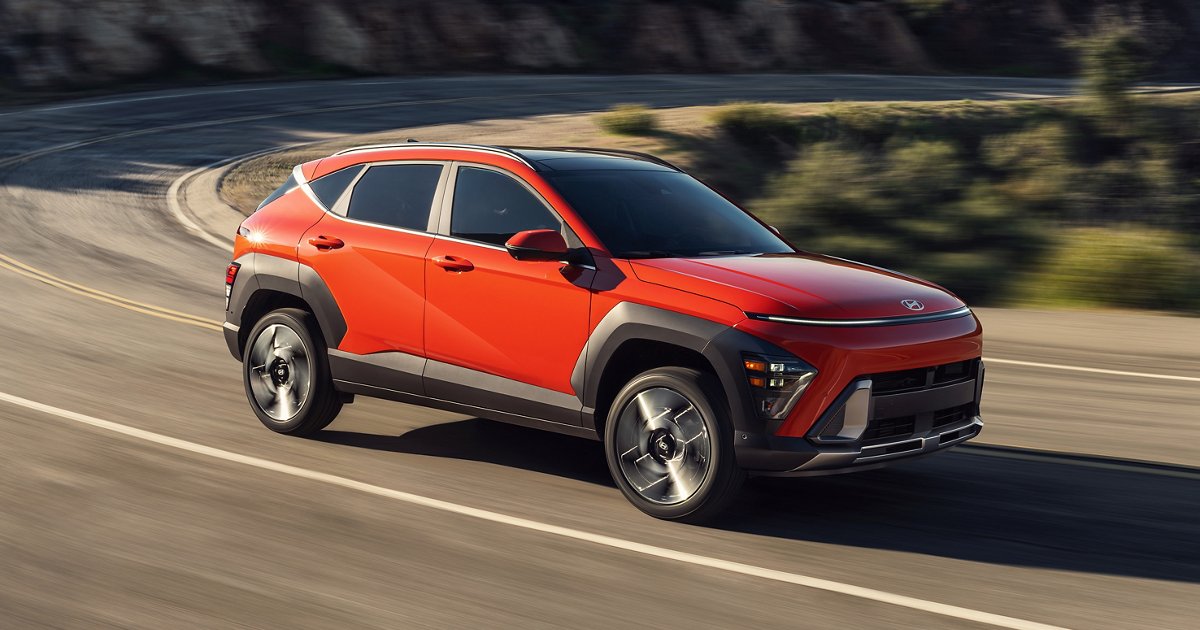
Table of Contents
Hyundai Kona instrument panel recall: what NHTSA says about campaign 26V047000
The Hyundai Kona instrument panel recall covered here is campaign 26V047000, the NHTSA campaign number attached to a Hyundai Motor America software recall. The official record identifies the component as the electrical system, specifically the instrument cluster or instrument panel. The source says a software error may cause the instrument panel display to fail, creating a compliance issue under Federal Motor Vehicle Safety Standard No. 101, which covers controls and displays.
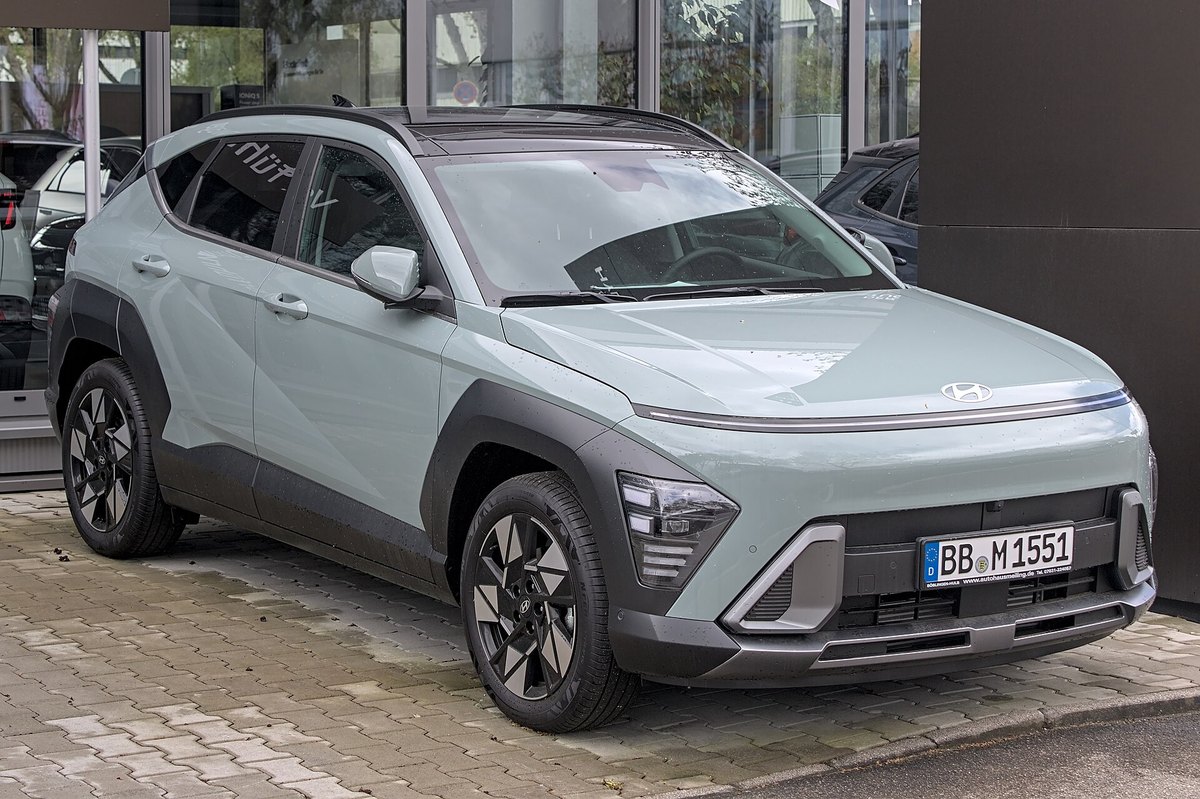
For owners, the most useful way to read the campaign is practical rather than technical. The instrument panel is where a driver expects to see speed, warnings, and safety alerts. If the display stops showing that information, the driver may not receive information that normally supports basic decisions on the road. NHTSA’s consequence field connects that missing display information to an increased crash risk.
This article does not add an unsupported estimate of how many 2026 Kona vehicles are included, because the source evidence used for this run does not provide a count. It also does not tell owners that every 2026 Kona is covered. NHTSA recall records often apply to certain vehicles within a model year, so the safer owner action is to check the VIN through NHTSA or Hyundai rather than rely on the model name alone.
Navyago is treating this as a source-based owner guide: what the official source says, what it means in daily use, and what an owner can do next. For a related Cars recall explainer format, readers can also review Navyago’s Kia Telluride park outside recall guide.
Which Hyundai vehicles are named in the source
The NHTSA vehicle query used for this article is the 2026 Hyundai Kona recall API result. In the selected campaign, the affected scope is broader than the Kona alone. According to the source, Hyundai is recalling certain 2025-2026 Tucson Hybrid and Tucson Plug-In Hybrid Electric vehicles, and certain 2026 IONIQ 5, Santa Cruz, Kona, Palisade, Palisade Hybrid, Santa Fe, Santa Fe Hybrid, Sonata, Sonata Hybrid, and Tucson vehicles. That is why the Hyundai Kona instrument panel recall needs a VIN check before an owner assumes their specific vehicle is included.
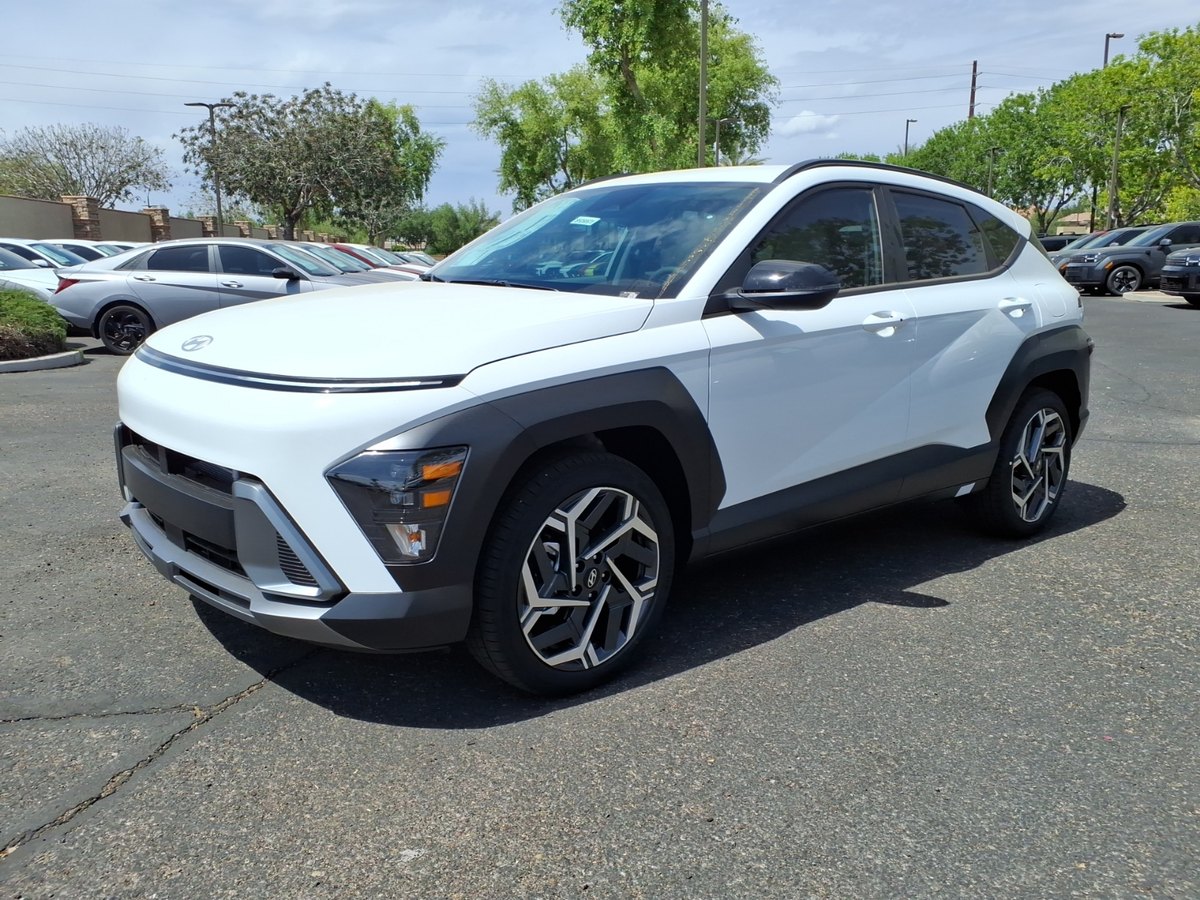
That list matters because recall headlines can become too narrow or too broad. A Kona owner may see the word Hyundai and wonder whether the campaign applies to their car, while a non-Kona Hyundai owner may find the same campaign through a different vehicle query. The source record includes the 2026 Kona, but it does not say that every vehicle in the model year is included.
The right next step is a VIN check. A VIN search is narrower than a model-year search because it checks an individual vehicle against campaign data. NHTSA’s source note says VINs involved in this recall became searchable on NHTSA.gov on January 28, 2026. Hyundai owners can also contact Hyundai customer service or a Hyundai dealer with the VIN and ask whether recall number 293 is open for that vehicle.
Owners should be careful with third-party summaries that turn a campaign into a blanket claim. The source-based wording is “certain vehicles” because that is how the campaign is described. If a dealer or official VIN lookup says a vehicle is not included, that vehicle should not be treated as covered by this specific campaign just because it is a 2026 Kona.
Why an instrument panel display failure matters
The Hyundai Kona instrument panel recall can sound less dramatic than a brake, steering, or fire-related recall. NHTSA’s consequence language explains why it still belongs in an owner action article. The display may fail to show critical safety information, including the speedometer or warning lights. Those are not comfort features; they are part of how a driver monitors the vehicle while driving.
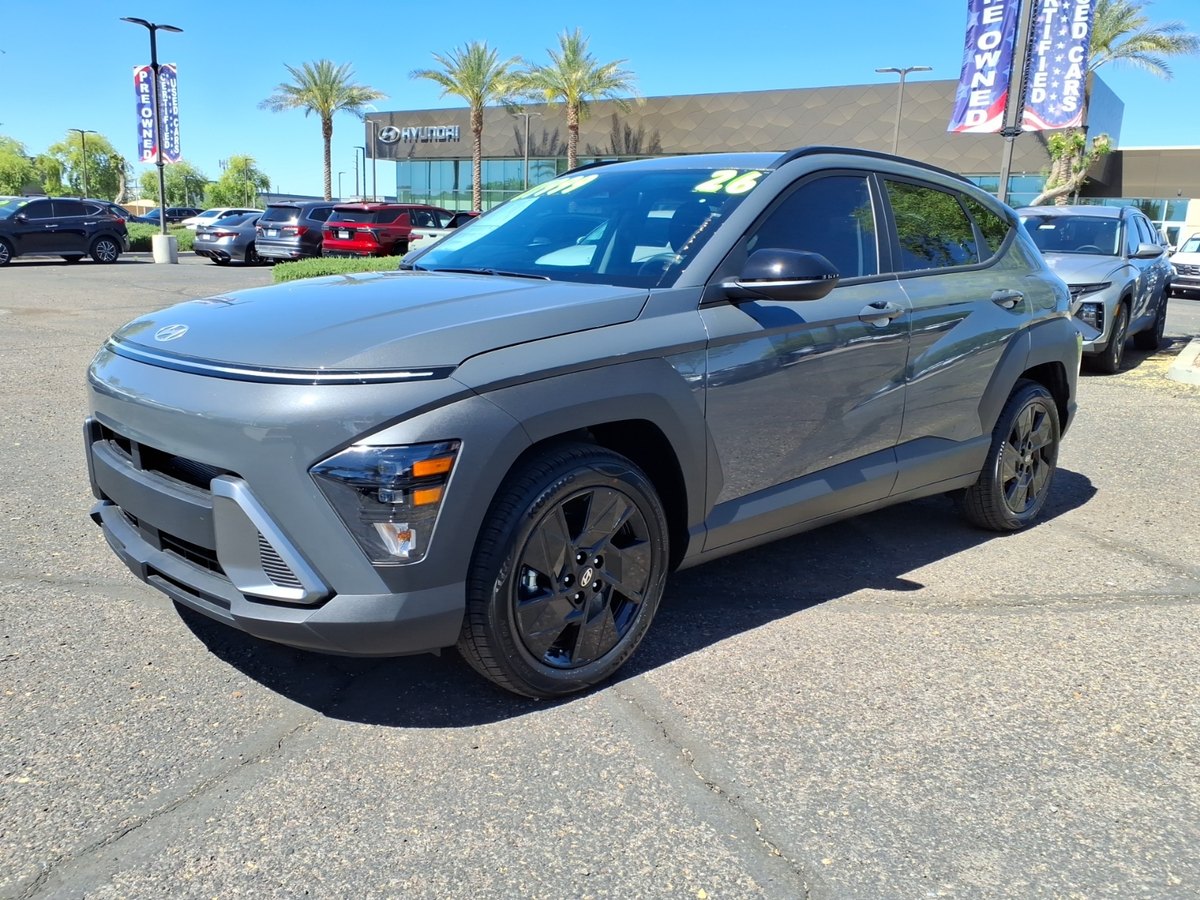
If a speedometer is not visible, a driver may have less immediate feedback on speed in traffic, school zones, work zones, or highway merging. If warning lights are not visible, the driver may miss an alert that would normally signal a mechanical, electrical, or safety system issue. The recall source ties those missing signals to crash risk, and that is enough reason for owners to treat the campaign as a safety matter rather than a cosmetic dashboard issue.
The NHTSA record also references FMVSS No. 101, Controls and Displays. For a reader, that means the issue is not only about convenience. The federal standard exists because drivers need certain controls and displayed information to be identifiable and usable. A display that may fail can create a compliance problem even if the vehicle still starts, moves, and appears normal in other ways.
Nothing in the selected source says owners must stop driving, park outside, or avoid a particular seat for this campaign. Those instructions appear in some other recalls, but they are not stated here for campaign 26V047000. The practical advice is to check the VIN, watch for owner notices, and schedule or accept the free software update if the vehicle is included.
Owner steps: VIN check, dealer, OTA or free repair
The first Hyundai Kona instrument panel recall owner step is to check the VIN. Use NHTSA’s recall lookup or Hyundai’s recall channel, then confirm whether campaign 26V047000 or Hyundai recall number 293 is open for the vehicle. If the vehicle appears in the recall, save the campaign number and ask the dealer what repair path is available for that specific vehicle.
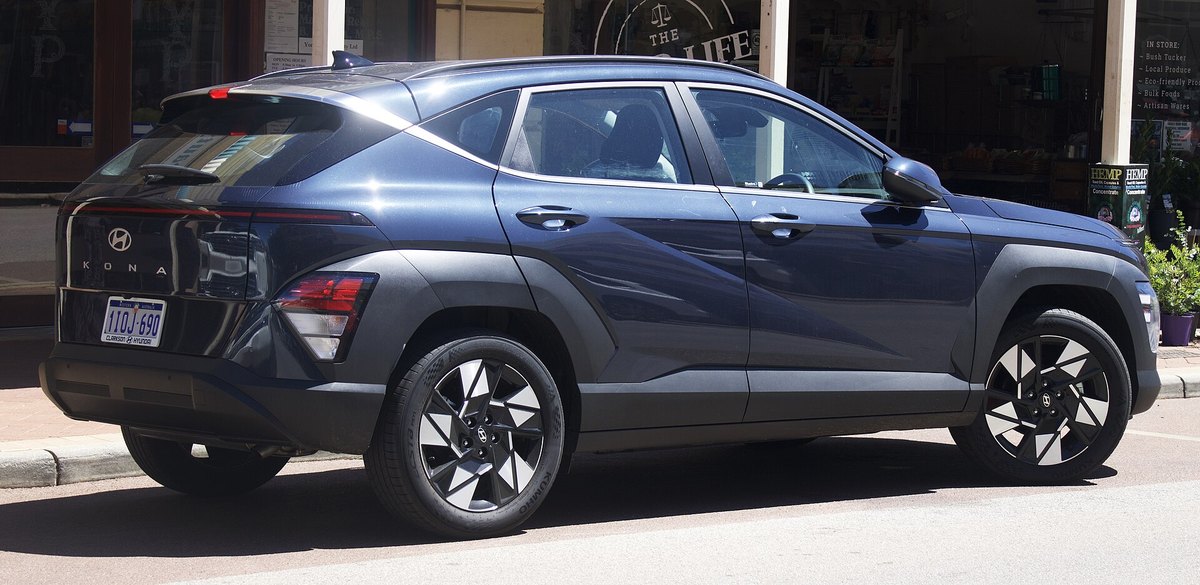
The remedy in the source is a software update to the instrument panel display. NHTSA’s record says the software will be updated over the air or by a dealer, free of charge. That matters because the repair may not require a traditional parts replacement for every owner. Some vehicles may receive an OTA update, while others may need dealer service or dealer confirmation.
Owners should not pay for the recall remedy itself. If a dealer quotes unrelated diagnostic work, maintenance, or another repair, owners can ask the dealer to separate that from the recall remedy and confirm what Hyundai covers. The source says this recall’s software update remedy is free of charge.
Owners who bought a used 2026 Kona should not assume the previous owner handled the recall. A recall follows the vehicle, not the original owner. If the VIN lookup shows an open campaign, the current owner should contact Hyundai or a dealer even if no owner letter arrived at the current address.
If the instrument panel display has already shown signs of failure, an owner should document what happened, avoid guessing at speed or warning states, and contact a dealer promptly. This article is not mechanical advice and cannot diagnose a specific car, but the official source gives enough basis to treat a blank or unreliable display as a safety-related issue that should not be ignored.
Timeline and what remains unknown
The Hyundai Kona instrument panel recall timeline starts with the NHTSA API record’s report received date of January 27, 2026, for campaign 26V047000. The same source says VINs involved in the recall became searchable on NHTSA.gov on January 28, 2026. Owner notification letters were mailed March 24, 2026. Those dates give owners a way to understand why a campaign may appear in a database before a physical letter reaches every household.
The source does not provide every detail a buyer might want. It does not give a simple total count in the selected vehicle-query evidence. It does not identify a trim-by-trim breakdown for Kona owners. It does not say whether every remedy will be OTA, dealer-installed, or handled in the same way for every included vehicle. Those details should be confirmed through a VIN lookup, Hyundai customer service, or a dealer service department.
The recall also sits in a larger 2026 Kona recall context. The same NHTSA Kona query returned additional campaigns, including a steering knuckle campaign and a rear center seat belt buckle campaign. Those are separate safety issues with separate campaign numbers and different owner instructions. Mixing them together can confuse owners, so this article keeps the instrument panel display campaign separate.
As of this source review, the key owner takeaway is narrow: campaign 26V047000 is about instrument panel display software, it can affect certain 2026 Kona vehicles, the risk is missing safety information on the display, and Hyundai’s listed remedy is a free software update by OTA or dealer route.
How this differs from other 2026 Kona recalls
Vehicle owners often search one model name and find several recalls at once. That is useful, but it can also lead to bad decisions if campaign instructions are copied from one issue to another. The Hyundai Kona instrument panel recall is not the same as the 2026 Kona steering knuckle campaign, and it is not the same as the rear center seat belt buckle campaign that appears in the same model-year query.
The Hyundai Kona instrument panel recall is tied to a software error and display failure. The steering knuckle campaign in the same NHTSA query describes a manufacturing error that may affect steering control. The rear center seat belt buckle campaign describes a rear center seat restraint issue and includes a different owner instruction. Each campaign needs its own VIN check, repair path, and owner guidance.
For owners, the simple way to stay organized is to make a short list from the VIN lookup: campaign number, recall number, issue, remedy, and appointment status. If more than one campaign is open, ask the dealer whether the repairs can be handled in one visit and whether an OTA update still requires any confirmation afterward.
Buyers looking at a new or used 2026 Kona can use the same logic before purchase. Ask the seller or dealer for the VIN, check for open recalls, and request written confirmation of any completed recall work. A clean advertisement is not a recall record. The VIN result and service documentation are more useful.
FAQ
What is Hyundai Kona instrument panel recall 26V047000?
It is an NHTSA-listed Hyundai Motor America recall involving instrument panel display software. According to the source, a software error may cause the display to fail, which can hide speedometer or warning-light information and increase crash risk.
Does this recall cover every 2026 Hyundai Kona?
The source says certain 2026 Kona vehicles are included. Owners should check the VIN on NHTSA.gov or through Hyundai because a model-year search alone cannot confirm whether a specific vehicle is covered.
Is the repair free?
Yes. The NHTSA record says the instrument panel display software will be updated over the air or by a dealer, free of charge. Owners can ask a dealer to separate the recall remedy from unrelated service recommendations.
Do owners need to park the vehicle outside?
The selected NHTSA source for campaign 26V047000 does not include a park-outside instruction. The owner action described by the source is to get the free software remedy and verify the VIN/campaign status.
When were owners notified?
NHTSA’s record says owner notification letters were mailed March 24, 2026, and that involved VINs became searchable on NHTSA.gov on January 28, 2026.
Sources
Sources: NHTSA recall API for 2026 Hyundai Kona recalls, campaign 26V047000, accessed July 27, 2026: https://api.nhtsa.gov/recalls/recallsByVehicle?make=Hyundai&model=Kona&modelYear=2026. Hyundai recall number in the source: 293. Official 2026 Kona image source: Hyundai USA 2026 Kona model page.