The missing child Ohio case covered in The Decoder’s police bodycam video begins like a frantic runaway report, then turns into a far darker investigation. The video, titled Cops Walk Into A Torture House Searching For A Missing Child, follows officers in Columbus, Ohio, after an 8-year-old boy is reported missing and police begin searching the neighborhood for any sign of him.
According to the video transcript, the report came in on June 28, 2024. The child was described as missing from a home in Columbus, and early information suggested he may have run away before. That history shaped the first part of the response. Officers canvassed the area, asked neighbors whether they had seen him, and tried to determine whether the case looked like a runaway, an abduction, or something else.
What makes the case so unsettling is how quickly the assumptions changed. At first, some officers appeared to believe the boy might be hiding nearby or repeating past runaway behavior. Later, red flags around access to the home, the mother’s movements, and the need for a warrant shifted the investigation toward the residence itself.
Because this case involves allegations, interviews, and edited bodycam footage, every detail should be treated carefully. The video presents a narrative based on police material and commentary, but court records and official case documents remain the proper place to confirm charges, outcomes, and legal findings. Accused individuals are presumed innocent unless proven guilty in court.
How The Missing Child Ohio Case Began
The first phase of the missing child Ohio case looks like a familiar emergency call. A mother reports that her 8-year-old son is gone. She says the back door was open and that the child had run away before. Officers arrive and begin the work that has to happen fast in any child-disappearance report: checking the home, getting a clothing description, contacting dispatch, and looking for witnesses.
The transcript shows officers trying to keep the mother calm while they assess the situation. They ask whether the boy has run away before, where he was found previously, and whether there are relatives or friends nearby. They also begin canvassing the neighborhood with a picture of the child, asking residents and workers whether they have seen him.
Early in the response, there does not appear to be obvious evidence of forced entry. That matters because it can shape the working theory. If a child has a documented history of leaving the home and there are no immediate signs of a break-in, officers may initially focus on parks, nearby streets, backyards, and places the child might know.
Still, a missing child call is never routine. Even if the first theory is runaway behavior, the risk remains high. Children can be hurt, exploited, exposed to weather, struck by vehicles, or hidden from searchers. That is why the video emphasizes the first hours after a disappearance. Police cannot afford to assume the safest explanation and stop there.
Why The First Search Was Not Enough
The video shows a widening response. Officers canvass the area, a helicopter is used, and search resources are brought in. The presence of search dogs becomes important because the mother’s reaction to a deeper search of the home allegedly raises concerns. According to the recap, she initially cooperates with officers, then later does not allow every room to be searched with dogs.
That change in behavior is one of the key turning points. A parent under extreme stress may act unpredictably, and panic alone does not prove wrongdoing. But when a child is missing, refusal to allow a full search of the residence can become a serious investigative issue. Clothing, bedding, trash, electronics, locked spaces, and personal items can all hold clues about where a child went or what happened before the report.
The officers eventually need legal authority to go further. That is where the case changes from a neighborhood search to a warrant-driven investigation. A warrant allows police to enter areas they otherwise may not be able to search, and it creates a clearer legal record for whatever is found.
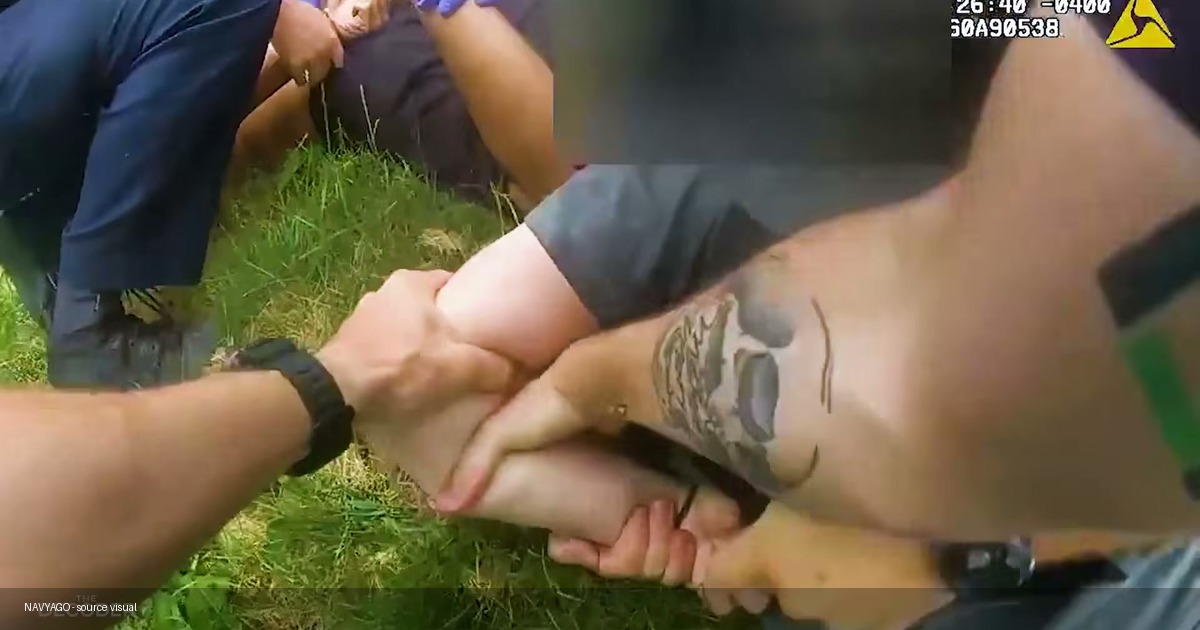
Bodycam frame from the source video showing police action during the case.
The Search Warrant Becomes The Critical Step
Once officers obtain the warrant, the tone of the case changes. The video describes police entering the home and discovering what appears to be the child’s body in a concealed area. The recap says the discovery was made after officers searched a locked attic area and found the child wrapped in multiple layers.
This is the point where responsible coverage has to slow down. The details described in the source are disturbing, and the article does not need to repeat every graphic element to explain why the case matters. What matters for readers is that the investigation shifted from a missing-person response to a suspected homicide and child-abuse case.
The bodycam footage also shows why initial assumptions can be dangerous. A report that begins as “the child ran away” may still require investigators to verify whether the home itself contains evidence. The warrant did not just help officers find evidence; according to the video, it led them to the missing child.
In child-welfare investigations, locked spaces, inconsistent timelines, refusal to allow searches, and sudden changes in cooperation can all become important. None of those facts alone proves guilt. Together, they can justify a deeper investigation and preserve evidence that might otherwise be lost.
Why The Interviews Matter
After the discovery, the video moves into interviews and surrender footage. The mother and another adult connected to the household reportedly contact police and agree to turn themselves in. Officers separate people into different interview rooms so they cannot coordinate stories, a standard investigative step when detectives need independent accounts.
The mother’s interview, as presented in the video, includes emotional statements and an explanation that shifts blame toward another child. She allegedly claims the death happened earlier and that she tried to cover it up. The second adult gives a related account, saying she encouraged the mother to tell police what happened.
v
v
Detectives do not simply accept those explanations. They ask about timelines, where people were, what punishments were used in the home, and whether the story fits the physical evidence. The questioning suggests that investigators were looking for inconsistencies, corroboration, and evidence of broader abuse or neglect.
That is one reason interrogation footage is so important in a case like this. A confession or explanation is not the end of the investigation. Detectives still have to test it against medical findings, phone records, DNA evidence, witness statements, and the condition of the home.
The Allegations Around Discipline And Food Are Disturbing
One of the most troubling themes in the transcript involves allegations about punishment, confinement, and food. The video says investigators asked about children being locked in a closet, being punished with belts or cords, and being forced to perform physically demanding tasks. Those are allegations in the video narrative, but they are central to why the case resonates so strongly.
The recap also discusses food stealing or food hiding. In child-abuse cases, food hoarding can sometimes appear when a child is not consistently fed or feels insecure about access to food. That does not automatically prove what happened in this case, but it is the kind of detail investigators may take seriously when evaluating whether neglect or abuse was part of a larger pattern.
For readers, the lesson is not to diagnose the household from a video. The lesson is that small details in interviews can matter: who had access to the child, who last saw him alive, what punishments were used, why the home was not fully searched at first, and whether adults gave consistent explanations.
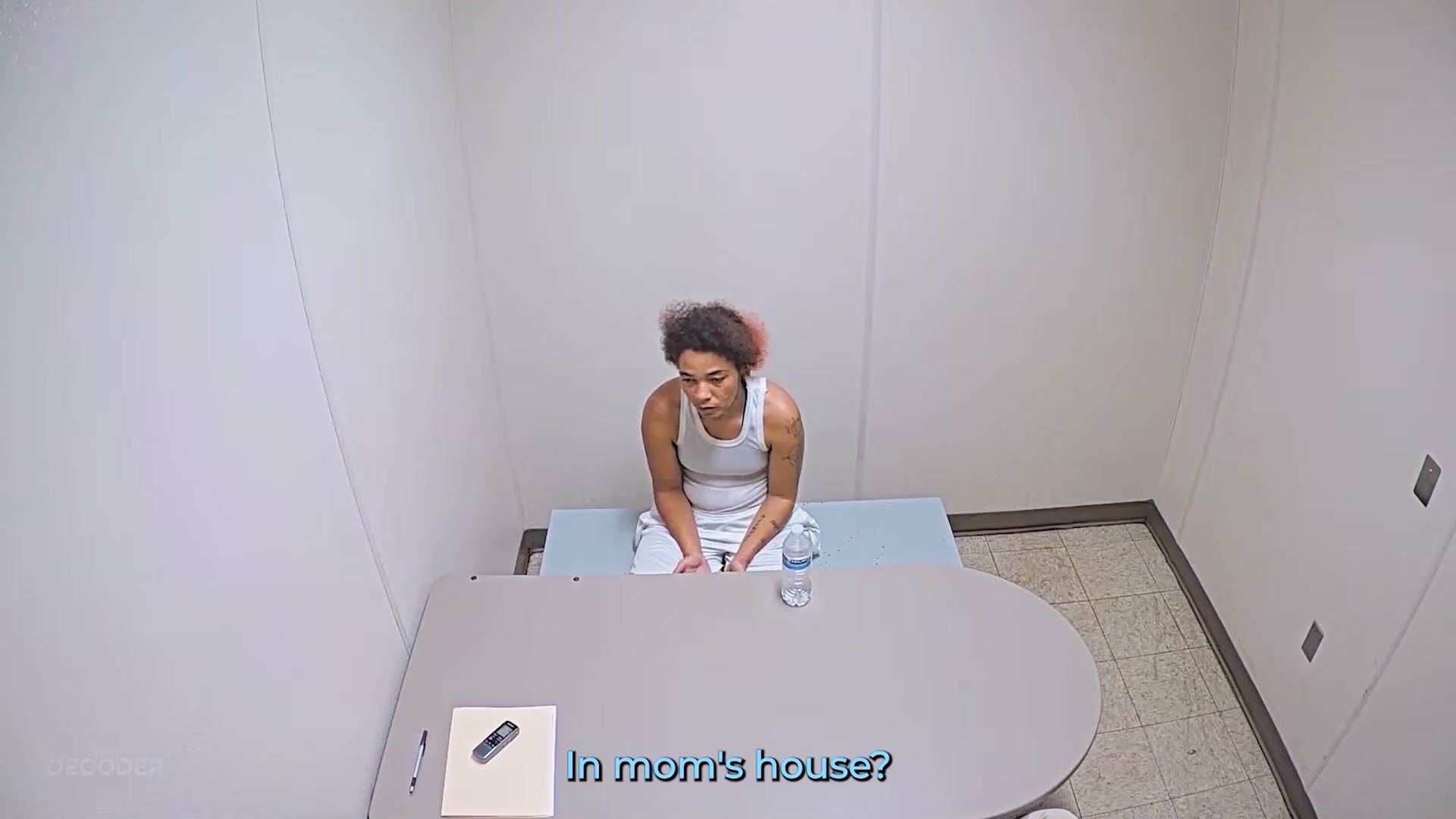
Interview room frame from the source video showing the investigation follow-up.
The Case Shows Why Missing Child Calls Need A Full Check
The most important policing lesson from the video is that a missing child report cannot rely only on the first explanation. A parent may say the child ran away. A child may have run away before. There may be no obvious sign of forced entry. Even then, officers still need to keep the home, caregivers, and timeline in the investigation until the child is found and the facts are verified.
This does not mean every parent in a missing-child case should be treated as a suspect. It means investigators have to balance empathy with procedure. They must comfort panicked relatives, search quickly, preserve evidence, and avoid tunnel vision. That balance is difficult, especially when the first few hours are emotionally chaotic.
The video also shows why cooperation matters. When officers are allowed to search thoroughly, they can rule things out faster. When access changes or is limited, the case may require warrants, delays, and additional legal steps. In a child-disappearance case, those delays can matter.
What Viewers Should Take From The Bodycam Footage
True crime videos can make cases feel immediate, but they are still edited narratives. Viewers see the moments selected by the creator, not the entire case file. The Decoder’s video is useful because it shows the movement from 911 call to search to warrant to interview, but it should not be treated as a substitute for official documents.
The safest reading is this: police responded to a missing child report, initial information suggested a possible runaway, later behavior and access issues raised concerns, a warrant led to a devastating discovery, and detectives then worked to test the stories they were given. The legal system, not the video alone, determines final responsibility.
That careful framing matters because the case involves a child, grieving relatives, serious allegations, and people whose names may appear in public discussion before all legal proceedings are complete. Good coverage should explain the evidence shown without turning uncertainty into certainty.
Why This Case Hit So Hard Online
The missing child Ohio case has the kind of structure that grips viewers: a frantic call, an urgent search, a parent who appears overwhelmed, a sudden shift in suspicion, and interviews that raise even more questions. But the emotional force comes from something deeper. A child was supposed to be safe at home, and the investigation turned back toward that home.
Cases like this also generate public anger because they touch on institutional trust. People want to know whether earlier signs were missed, whether neighbors noticed anything, whether schools or relatives saw warning signs, and whether prior runaway claims should have been interpreted differently. Those are fair questions, but they require evidence rather than assumptions.
The best lesson is procedural and human at the same time. Missing child calls deserve urgency, even when the child has run away before. Homes deserve careful checks, even when the first story sounds plausible. And allegations involving abuse, confinement, or neglect deserve patient documentation, not quick conclusions.
For more crime-news recaps and public-safety stories, visit the NavyAgo homepage. The original source video can be watched on YouTube.
FAQ: Missing Child Ohio Case
What is the missing child Ohio case about? The video recap covers a Columbus, Ohio missing-child investigation that began as a runaway report and later became a suspected homicide and child-welfare case after a search warrant was served.
Was the case proven in court in the video? The video presents police footage, interviews, and allegations. Final legal outcomes should be confirmed through official court records.
Why did the search warrant matter? The warrant gave officers legal authority to conduct a deeper search of the home, which the video says led to the discovery that changed the case.