
Used car dealer checklist planning matters because the decision often happens under pressure: the car is on the lot, the salesperson has a worksheet ready, and the buyer wants to avoid losing a vehicle that looks like the right fit. The Federal Trade Commission says a Buyers Guide is required on used cars sold by dealers, and the agency’s guidance points shoppers toward warranty terms, vehicle history, payment choices, and the written record before money changes hands.
This Navyago explainer turns that official consumer guidance into a practical pre-signing review, without treating it as legal advice or a guarantee that any specific purchase will be risk-free.
Table of contents
Why This Used Car Dealer Checklist Matters
A used car dealer checklist helps because a used vehicle can be a smart purchase, but it is not a simple purchase. The buyer is not only comparing price, mileage, color, and monthly payment. The buyer is also evaluating maintenance risk, financing cost, warranty language, dealer fees, trade-in math, taxes, title paperwork, insurance timing, and whether the written documents match what was said on the lot. The FTC source is useful because it centers the written evidence a buyer can inspect: the Buyers Guide, warranty disclosures, payment documents, and related purchase paperwork.
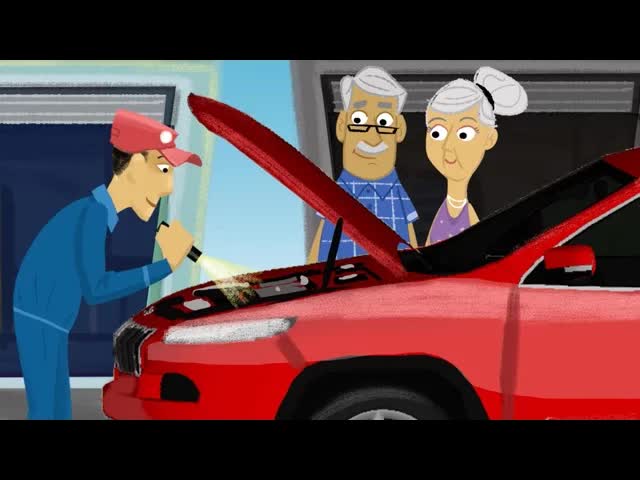
The key point in a used car dealer checklist is discipline. A shopper should not rely only on a clean test drive, a confident sales presentation, or a low monthly payment. Those details may be relevant, but they do not replace the written terms. The safest pattern is to slow the transaction down enough to read, compare, ask questions, and leave with copies. This article uses source-based wording because dealership disputes are fact-specific, state rules can vary, and the FTC article is general consumer guidance rather than a private legal opinion for a single buyer.
For related money planning on Navyago, see our consumer finance coverage at Navyago Finance. Auto shopping is a finance decision as much as a transportation decision, especially when a loan stretches across several years.
1. Read The Buyers Guide Before The Sales Pitch
The FTC says a Buyers Guide is required on used cars sold by dealers. That makes it one of the first documents a shopper should look for, not an afterthought at the end of the sale. A buyer can use the guide to check whether the vehicle is offered with a warranty or under an As Is type disclosure, what major systems are listed, and how the dealer is presenting repair responsibility. If a salesperson describes coverage in a different way, the buyer should ask where that promise appears in writing.
This step helps prevent a common mismatch: the shopper remembers an optimistic verbal explanation, while the paperwork contains narrower terms. A legal-safe approach is not to assume the dealer is acting improperly. It is simply to confirm that the document the buyer will sign reflects the protection the buyer believes is included. If the written guide and the verbal explanation do not line up, the buyer can pause before signing and request a corrected document or a clearer explanation.
2. Separate Warranty Promises From Casual Claims
A used car dealer checklist should separate warranty language because it can decide who pays when a problem appears after delivery. According to the FTC guidance, shoppers should pay close attention to warranty information and payment options. A buyer should ask whether any warranty is full or limited, what parts and labor are covered, who performs the repair, how long coverage lasts, whether deductibles apply, and what the buyer must do to make a claim. These questions are practical, not adversarial. They turn a broad statement such as “we stand behind it” into a reviewable term.
If the vehicle is sold without dealer warranty coverage, the buyer should understand what that means before signing. Some buyers accept more risk in exchange for a lower price, while others need stronger repair protection because their budget cannot absorb a major breakdown. The important point is not that one path is always correct. The important point is that the buyer should know which path the paperwork actually creates.
3. Pair History Reports With An Inspection
A used car dealer checklist should pair a vehicle history report with other evidence because the report is not a complete mechanical diagnosis. The FTC article discusses vehicle history reports, and shoppers often use them to look for title issues, prior damage, mileage records, or service clues. That information can help, yet a report may be incomplete or delayed. A buyer should still consider an independent inspection by a qualified mechanic before purchase, especially when the car is older, high-mileage, modified, or priced in a way that seems unusually attractive.
In a used car dealer checklist, an inspection creates a different type of evidence. It can identify worn tires, brake issues, fluid leaks, suspension problems, warning lights, accident repair signs, rust, or maintenance needs that a history report might not explain. If the dealer does not allow a reasonable inspection before sale, the buyer should treat that refusal as a serious decision point. It does not automatically prove wrongdoing, but it changes the risk profile of the deal.
4. Compare Financing Before Accepting The Desk Offer
Many used car buyers focus on monthly payment because it is easy to understand. A better used car dealer checklist also looks at the total cost of credit. The buyer should compare the annual percentage rate, loan term, down payment, total of payments, prepayment rules, and any extra products rolled into the loan. A lower monthly payment can hide a longer term or a higher total cost. A higher payment can sometimes be cheaper overall if the term is shorter and the rate is lower.
Before sitting at the finance desk, a used car dealer checklist can prompt shoppers to ask a bank, credit union, or online lender for preapproval or at least a rate estimate. That gives the buyer a benchmark. The dealership may still offer a competitive option, but the shopper is no longer comparing the offer against nothing. According to the FTC source’s broader payment guidance, the buyer should understand payment choices before committing. That means reading the retail installment contract carefully and checking that the numbers match the negotiated price.
5. Slow Down Add-Ons And Extras
A used car dealer checklist should treat add-ons as possible legitimate products, unnecessary extras, or misunderstood costs depending on the buyer’s situation and the way they are presented. Common examples include service contracts, gap coverage, maintenance plans, theft protection products, paint or fabric protection, tire coverage, and electronic tracking services. A buyer should ask whether each item is optional, what it costs separately, whether it is included in the financed amount, how to cancel it, and whether the buyer can purchase similar coverage elsewhere.
The safest used car dealer checklist question is simple: “Where is this item listed, and what happens to the total price if I decline it?” If the answer is unclear, the buyer should not rush. The FTC source highlights the importance of understanding payment options and paperwork. For add-ons, that means reviewing each line item instead of approving a bundle because the monthly payment still seems affordable.
6. Keep The Paper Trail Readable
Before signing, use the used car dealer checklist to compare the advertised price, negotiated price, trade-in allowance, loan amount, down payment, fees, taxes, warranty terms, and add-on charges across the documents. Numbers can move during negotiation. A worksheet, buyer’s order, financing contract, and warranty document should not tell conflicting stories. If there is a conflict, the buyer should ask for clarification before signature, not after the delivery photo.
After signing, keep the used car dealer checklist copies of every document. That includes the Buyers Guide, purchase agreement, financing contract, title or registration paperwork, warranty materials, add-on contracts, inspection report, and any written communication with the dealer. Good records do not guarantee a favorable outcome in a dispute, but they make questions easier to answer and help a consumer explain the timeline to a lender, regulator, warranty administrator, or attorney if advice is needed.
7. Watch For Pressure Points
A used car dealer checklist helps in a high-pressure environment that can make a buyer skip the exact steps that reduce risk. Common pressure points include “today only” pricing, refusal to put promises in writing, moving quickly from price to monthly payment, discouraging inspection, adding products late in the process, or asking the buyer to sign blank or incomplete forms. These details do not automatically prove a violation. They are reasons to slow down and verify the documents.
The used car dealer checklist response is to create distance from the desk. The buyer can ask for the terms in writing, take a photo or copy of the worksheet if allowed, call an insurance agent, compare financing, or leave and return later. A dealer that has a good vehicle and clear paperwork should be able to explain the deal without relying entirely on urgency. The buyer’s leverage is strongest before signing.
8. Know What To Do After Signing
If a problem appears after the purchase, return to the used car dealer checklist and start with the documents and the source of the promise. If the Buyers Guide or warranty paperwork says a repair is covered, the buyer can follow the claim process listed there. If the problem involves financing, the buyer can contact the lender and review the financing contract. If the issue is a suspected deceptive practice, the FTC and state consumer protection offices may offer reporting paths, but a report is not the same as private legal representation.
A used car dealer checklist also benefits from factual communication. Dates, names, documents, repair estimates, photos, and written responses are more useful than speculation about motive. A buyer can say what happened, what the paperwork says, what remedy was requested, and how the dealer or warranty provider responded. That record-based style is the same approach this article uses: source-based, cautious, and tied to documents rather than unsupported conclusions.
FAQ
What is the most important item on a used car dealer checklist?
The Buyers Guide is one of the most important starting points because the FTC says it is required on used cars sold by dealers. It helps the buyer compare the sales conversation with written warranty or As Is information before signing.
Does a vehicle history report replace an inspection?
No. In a used car dealer checklist, a history report can be useful, but it may not show every mechanical condition or recent issue. A separate inspection can identify current wear, damage, leaks, warning lights, and maintenance needs that the report may not fully explain.
Should buyers focus on monthly payment or total cost?
A used car dealer checklist treats monthly payment as one budget item, but it should be reviewed with the APR, loan term, down payment, add-ons, and total of payments. A lower monthly payment can still cost more overall if the term is longer or extras are financed.
What should a buyer do if a dealer promise is not written down?
A used car dealer checklist should prompt the buyer to ask the dealer where the promise appears in the documents or to correct the paperwork before signing. If the written terms do not match the buyer’s understanding, the buyer can pause the deal and seek advice.
Source Video
Source note
Sources: This Navyago article is based primarily on Federal Trade Commission Consumer Advice, “Buying a Used Car From a Dealer,” accessed July 13, 2026, at https://consumer.ftc.gov/articles/buying-used-car-dealer. The FTC page describes the required Buyers Guide for used cars sold by dealers and discusses vehicle history reports, warranties, payment options, As Is language, inspection, add-ons, and related paperwork. This article is general consumer education, not legal, financial, insurance, or mechanical advice.
Supporting video source: official FTCvideos upload Buying a Used Car – Consumer Tips | Federal Trade Commission (video ID i50MYMRDpQo). The iframe, featured image, and body image all use this same source package.
Pingback: Liability vs Full Coverage Car Insurance: 7 Critical Tips
Pingback: Auto Loan Add-Ons Checklist Before Signing a Car Loan