
The Salt Path true story question is simple: CBC True Crime’s source video says a beloved memoir is now being re-examined because reporting has challenged parts of its backstory. This article recaps the video, explains the public record in careful language, and separates reported allegations from what readers can independently verify.
Why the The Salt Path true story question matters now
The Salt Path became popular because it offered a clear emotional promise: two people lose nearly everything, begin walking the South West Coast Path, and find a form of endurance through hardship. For many readers, the appeal was not only the landscape or the survival narrative. It was the belief that the book was a direct personal account of loss, illness, homelessness, and hope.
That is why the current dispute matters beyond one book. According to CBC True Crime’s Crime Story video, the public question is whether a memoir marketed and received as a true story left out, softened, or reshaped important facts. The answer is not something a recap article should overstate. The safer and more useful approach is to identify what the source video says, what has been reported elsewhere, what the author has denied or defended, and what remains unresolved.
Navyago is treating this as a public-interest media-literacy story, not as a verdict on any person. A memoir controversy can easily turn into a pile of online certainty, but the reader’s real task is more practical: check which claims are documented, which are disputed, and which are still only allegations. The phrase “true story” carries weight because readers rely on it when deciding whether a book is testimony, inspiration, entertainment, or a blend of all three.
What CBC True Crime says the dispute is about
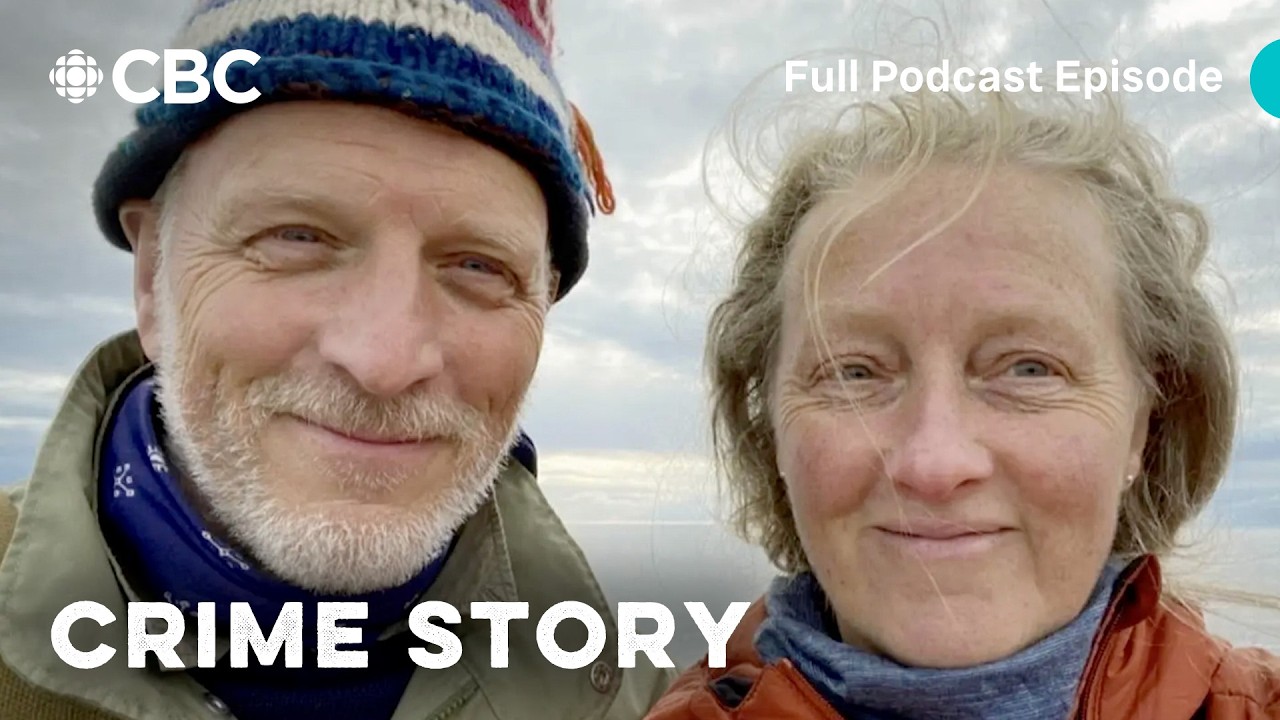
The CBC True Crime source video frames the story around a best-selling memoir, a successful screen adaptation, and a later investigation that challenged the public version of events. The video description says the book presented Raynor Winn and her husband, Moth, as people who lost their home, walked a long coastal route, and experienced a striking change in Moth’s health. It then says later reporting questioned parts of that account.
The important word is “questioned.” The source video is not a court judgment, and this article is not claiming to settle the dispute. Instead, the video points readers toward a cluster of public-interest issues: how a factual memoir is checked, what publishers verify before publication, how illness narratives are discussed responsibly, and how readers should respond when an inspirational account becomes contested.
According to the video metadata observed from YouTube, the CBC True Crime video was published on May 17, 2026, and runs for about 49 minutes. Its title asks whether the instant bestseller is true. That question is narrow enough for a source recap: the focus is not celebrity gossip, but the reliability of a publicly sold and widely discussed nonfiction story.
The source also refers to The Walkers: The real Salt Path, a podcast investigation associated with Chloe Hadjimatheou and The Observer. Public podcast listings describe the series as asking what is and is not true in the memoir’s core narrative. Those listings and the CBC video should still be treated as reporting and commentary sources. Readers should not convert them into a final legal conclusion.
What the reporting says about the home-loss account
A central issue in the controversy is the backstory for the couple losing their home. The memoir’s public appeal has long rested on a chain of hardship: financial ruin, no stable place to live, and then the decision to walk. Reporting carried by The Guardian and The Observer alleged that the circumstances behind the loss of the home were more complicated than the version readers understood from the book.
Because this is a sensitive claim, the wording has to stay precise. The reporting alleged that legal documents and witnesses raised questions about the financial explanation in the memoir. It also connected the home-loss story to allegations involving money from a former employer. Those are reported allegations, not statements that Navyago is independently proving. Raynor Winn has disputed the framing of the allegations and defended the truth of the memoir as her account of that period.
For readers, the lesson is not to jump from “a reporter found contradictions” to “everything in the book is false.” Nonfiction disputes usually contain several layers. There can be documented records, witness memories, author recollections, publisher due diligence, legal risk, and public emotion all sitting on top of one another. A careful reader asks whether the core facts were presented accurately enough for a work sold as memoir.
The distinction also matters for search users who only want a quick answer. The short answer is that CBC True Crime’s source video says the memoir’s true-story status has been seriously challenged by reporting, while the author has defended the book and disputed major implications of that reporting. That is different from saying the entire story has been disproved, and it is different from saying the reporting is meaningless.
Why the illness question needs careful wording
The illness thread is the most sensitive part of the story. The memoir’s emotional force is tied to Moth’s reported diagnosis and to the idea that walking changed how the illness appeared in daily life. CBC’s video description says the book’s telling suggested a remarkable improvement, while later reporting raised questions about that part of the narrative.
Any article on this topic should avoid diagnosing a person from a distance. It should also avoid suggesting that a medical condition is fake unless a reliable source clearly establishes that. Public reporting has said medical experts were skeptical of parts of the account, and Guardian coverage also reported that Raynor Winn published medical letters and defended her husband’s diagnosis. Those are two different facts: questions were raised, and a response was given.
For a reader, the useful question is narrower than online argument often makes it. It is not “Can a walk cure a terminal illness?” and it is not “Is every symptom in the book fabricated?” The better question is whether the published memoir, interviews, marketing, and later explanations gave readers enough context to understand what was being claimed. Health stories can inspire people, but they can also mislead if they imply a simple cure or a miracle without evidence.
This is where a source-based recap should slow down. The CBC video uses the controversy to explore the difference between an inspirational arc and a verifiable nonfiction claim. Readers can respect the power of a personal story while still asking whether the public version was complete. That is not cynicism; it is the basic reader contract for memoir.
How readers should judge memoir claims
A memoir is not a court transcript. It is usually shaped by memory, scene selection, compression, emotion, and narrative design. But when a book is sold as a true story, the author and publisher are still asking readers to trust a factual foundation. The more dramatic the foundation, the more important that trust becomes.
The Salt Path controversy shows why source checks matter. A reader does not need to know every private detail of the author’s life. A reader does need to know whether the central public claims are broadly accurate: why the couple had to leave home, what the illness claim means, and whether major omissions would change how a reasonable reader understands the story.
Publisher due diligence also comes into view. Guardian reporting on the response said Penguin referred to its pre-publication process, including author warranties and legal review. That does not automatically resolve a later dispute. It does show that the question is not only about one writer’s memory. It is also about how nonfiction books are acquired, marketed, adapted, and defended when new reporting appears.
Readers can use a simple framework. First, identify the claim. Second, identify the source for the claim. Third, separate documents from memories and allegations. Fourth, look for a response from the person being discussed. Fifth, avoid turning uncertainty into a viral verdict. In this case, CBC True Crime provides a source video for the dispute, Guardian/Observer coverage provides reporting context, and Raynor Winn’s reported response provides a counterpoint.
What remains unresolved
The biggest unresolved issue is not whether people found meaning in the book. Many readers clearly did. The harder question is whether the facts that created that meaning were presented with enough accuracy for a nonfiction work. CBC’s source video says the memoir may be more contested than many readers realized, while public reports say the author has defended the book and disputed important allegations.
Another unresolved issue is how adaptations and later projects should handle the controversy. Once a memoir becomes a film, a podcast topic, a speaking platform, and a brand, the public claim travels far beyond the original pages. If the source basis shifts, every later version has to decide whether to update, contextualize, or keep telling the original story in the same way.
There is also a reader-side issue. People often turn to survival memoirs for hope, especially when the story involves illness, homelessness, grief, or recovery. If later reporting challenges the factual basis, readers may feel misled even if parts of the emotional journey remain meaningful. That reaction is understandable. It is also why careful attribution matters: the difference between “the reporting alleged” and “this happened” protects both readers and the people being discussed.
The practical takeaway is this: The Salt Path true story is now best understood as a disputed memoir question, not a closed fact pattern. The CBC True Crime video is a useful starting point because it gathers the controversy into one source-video format. Readers who want to go deeper should compare the video with the original reporting, Raynor Winn’s public response as reported by major outlets, and the podcast series that expanded the investigation.
FAQ
Is The Salt Path true story confirmed or disproved?
No source reviewed here makes it safe to describe the entire memoir as either confirmed or disproved. CBC True Crime says the story has been challenged by reporting. Guardian/Observer coverage reported allegations and questions, while Raynor Winn has defended the memoir and disputed major claims.
What is the CBC True Crime video about?
The CBC True Crime video is a source-based discussion of the controversy around The Salt Path, including questions about the couple’s home-loss backstory, Moth’s illness narrative, and the later podcast and reporting that brought the dispute to a wider audience.
Why does this matter to readers?
It matters because memoirs ask readers to trust that the central facts are presented honestly. When those facts are challenged, readers need clear source attribution, author response, and a careful separation between documents, allegations, memories, and opinion.
Where can readers find more Navyago source recaps?
Readers can browse Navyago’s True Crime source-based explainers for more public-interest recaps that keep claims tied to visible sources.
Source Video
Sources
Sources: CBC True Crime source video, The Salt Path became an instant bestseller. But, is it true? | Crime Story; The Guardian/Observer report on allegations at theguardian.com; The Guardian report on Raynor Winn’s response at theguardian.com; and the Apple Podcasts listing for The Walkers: The real Salt Path. This Navyago recap summarizes public sources and does not make an independent legal or medical finding.