
Newport Rhode Island police responded to a reported stolen sailboat offshore on August 26, 2026, leading to an armed confrontation between law enforcement and an individual on the vessel. According to the video description provided by the channel PoliceActivity, the encounter resulted in gunfire, one officer sustaining injuries, and the death of the suspect.
Overview of the Maritime Incident in Newport
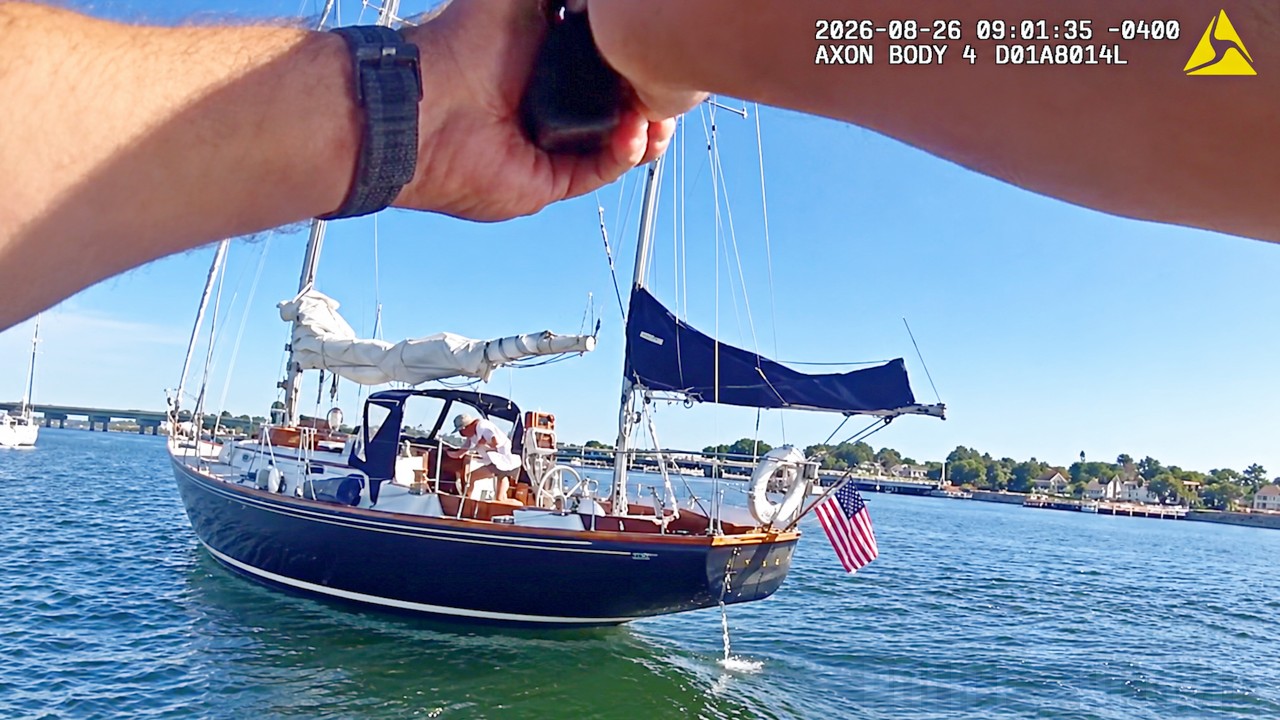
According to the video description published by PoliceActivity on October 30, 2026, the event took place in Newport, Rhode Island, on August 26, 2026. The situation began when a local harbormaster spotted an approximately 40-foot vessel anchored offshore. The harbormaster grew suspicious after noticing that the name of the boat had been scraped off its stern section. Subsequent checks revealed that the vessel had been reported stolen out of the state of New Jersey.
Upon observing someone moving around aboard the anchored craft, the harbormaster decided to request assistance from local law enforcement. The harbormaster then transported four police officers out to the vessel, arriving shortly after 9 a.m. This initial maritime interaction set the stage for an escalation as officers attempted to make contact with the occupant of the stolen sailboat, highlighting the unpredictable nature of routine maritime patrols and boat checks.
Public safety operations involving marine units require specific coordination between harbormasters and municipal police departments. When dealing with vessels on the water, logistics are inherently different from land-based police work because officers must rely on boats for transport and tactical positioning. The source text outlines how this collaborative effort brought law enforcement directly to the floating crime scene, where they faced an immediate challenge upon boarding the deck.
Initial Contact with the Vessel Occupant
As the law enforcement officers approached the 40-foot boat, they encountered an individual later identified in the source text as 27-year-old Brendan Norris. At the time of the approach, Norris was standing out on the deck of the sailboat. According to the description, the boat’s engine was actively running, and Norris appeared to be preparing to leave the area, prompting officers to take immediate action to secure the scene and prevent any escape attempt.
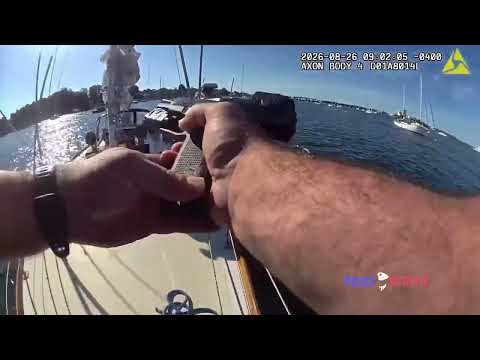
The responding officers issued verbal commands instructing Norris to remain on the deck. However, the source states that Norris allegedly ignored these police commands and instead retreated backward into the cabin of the sailboat. This movement into an enclosed, confined space created a tactical disadvantage for the boarding party, as entering a cabin limits visibility, restricts movement, and increases the potential risk of an ambush during a high-stakes law enforcement encounter.
It is important to understand the legal and procedural context of such encounters. In public safety reporting, anyone accused of a crime is presumed innocent until proven guilty in a court of law. The information provided in the source outlines the sequence of events as reported by authorities, but independent investigations by state and local oversight agencies remain standard procedure following any use of lethal force by law enforcement personnel.
Escalation Inside the Cabin of the Sailboat
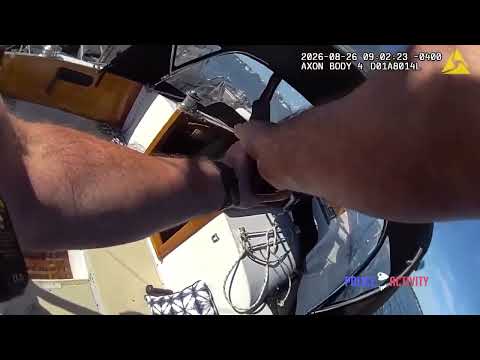
According to statements attributed by the source to Police Chief Ryan Duffy, an officer who successfully boarded the sailboat observed Norris moving around inside the enclosed cabin. During these observations, Norris was seen reaching for what appeared to be a weapon. This critical moment shifted the dynamic from a property recovery and compliance check into an active threat situation that demanded split-second tactical decisions from the officers stationed on the vessel.
The confrontation escalated rapidly when Norris allegedly fired a shot from inside the cabin of the boat. The bullet struck one of the responding officers in the leg, and the resulting debris from the shot hit the officer in the face. Firearm discharges in confined marine environments present severe physical dangers due to close quarters, hard surfaces, and the difficulty of finding immediate physical cover while aboard a floating, unstable vessel.
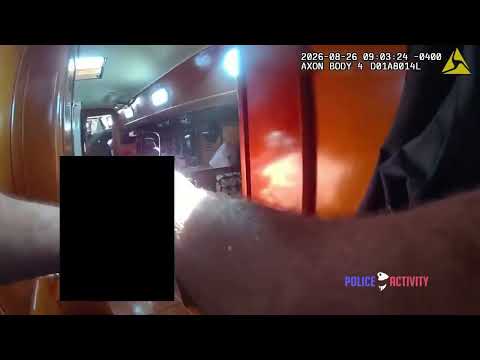
When an officer is wounded by gunfire during a call, standard tactical doctrine allows for the immediate use of necessary force to neutralize an ongoing lethal threat. The source description notes that the officers immediately returned fire, striking Norris as the armed confrontation continued aboard the vessel. This exchange of gunfire unfolded quickly in the restricted space of the sailboat cabin, underscoring the extreme hazards faced by marine patrol officers.
Outcome and Medical Response at the Scene
Once the gunfire ceased, the officers moved forward toward the cabin to secure the area and assess the threat. Inside, they located Brendan Norris unresponsive, suffering from a severe head injury, with a firearm positioned nearby. Given the critical nature of his injuries, medical attention was administered, but Norris was ultimately pronounced dead at the scene. Investigations into officer-involved shootings typically examine all physical evidence, medical examiner reports, and ballistics.
The wounded law enforcement officer required immediate medical transport to Newport Hospital for professional treatment. According to the source text, the injured officer was later released from the medical facility to recover at home. Recovering from physical trauma sustained in the line of duty involves both physical healing and psychological support, which police departments typically provide through specialized employee assistance and peer support programs.
Video footage uploaded to public channels like PoliceActivity serves as an educational tool for the public, but it rarely captures the entirety of a complex investigation. Official records, dispatch logs, body-worn camera footage, and forensic reports are necessary to piece together every second of the event. Viewers are encouraged to look toward official police press releases and independent news investigations for comprehensive updates regarding public safety incidents.
Understanding Maritime Law Enforcement and Police Video Sources
Maritime law enforcement operations involve unique challenges that differ significantly from standard street patrols. Harbormasters and marine police units monitor harbors, bays, and coastal waters for stolen property, registration violations, and safety hazards. When a stolen vessel is located, protocols dictate that officers must approach with caution, as suspects may be desperate to avoid apprehension. In this case, the discovery of a scraped-off stern name was the primary red flag that alerted authorities.
Online platforms frequently feature footage from police interactions, body cameras, and dash cameras. While these videos provide a visual window into critical incidents, they are often edited for pacing or length. Analysts and viewers must remember that video footage represents only one component of a thorough investigation. True understanding requires examining independent police reports, witness statements, and forensic analyses conducted by state investigators.
Due process guarantees that every allegation is thoroughly investigated by an impartial authority. In officer-involved shootings, state police or independent attorney general offices usually lead the inquiry to determine whether the use of force adhered to state laws and departmental policies. This multi-layered investigative approach ensures transparency and accountability within public safety agencies, giving the community access to factual findings once the review concludes.
The Role of Independent Oversight in Critical Incidents
Whenever an officer uses lethal force, public scrutiny naturally follows, making independent oversight a vital component of modern policing. Investigative bodies examine every detail, from the initial dispatch call by the Newport harbormaster to the final medical examiner reports. This ensures that the public receives an accurate, verified account rather than relying solely on initial summaries or fragmented video clips shared across social media networks.
Transparency in law enforcement helps build community trust. Police departments across the United States increasingly utilize body-worn cameras and marine unit recordings to document critical events objectively. However, reviewing these materials requires patience, as formal investigations take weeks or months to complete. Investigators must analyze trajectory data, forensic evidence, and audio recordings before publishing comprehensive findings about any use of force.
Citizens consuming news and explainer content about police video topics should verify information against official government statements. Misinformation can spread quickly online when videos are viewed out of context. By relying on verified reports from established news outlets and official police chief statements, readers can maintain a balanced, fact-based understanding of public safety matters and legal proceedings.
Safety Lessons and Protocols in Marine Interdictions
Approaching a suspected stolen boat requires specialized tactical training. Marine interdictions present physical obstacles such as rolling water, slippery decks, and confined cabins that hinder quick movement. Officers must weigh the necessity of securing property against the potential hazards of confronting an occupant who may be armed or uncooperative. Training scenarios often simulate these maritime environments to prepare officers for sudden escalations.
When suspects refuse lawful commands and retreat into enclosed spaces, the risk profile of the operation increases exponentially. Law enforcement personnel must coordinate their movements to minimize exposure to potential ambush points. The Newport incident illustrates how quickly a routine vessel check can transform into a high-risk armed confrontation, requiring officers to make split-second decisions to protect their lives and the lives of the public.
Public safety education also emphasizes the importance of community reporting. In this case, the harbormaster acted on suspicion after noticing a missing boat name and correctly notified police rather than attempting a solo intervention. Cooperation between municipal workers, harbormasters, and police departments remains essential for maintaining security along coastal waterways and protecting maritime infrastructure from theft and illicit use.
Verifying Public Safety News and Digital Media
Navigating the landscape of online public safety news requires critical thinking and careful verification. Channels that publish police video compilations provide raw footage, but they may lack comprehensive context about the broader legal proceedings or the internal affairs investigations that follow. Readers should look for official case numbers, press conference transcripts, and statements from local prosecuting attorneys to get the complete picture of any legal matter.
It is crucial to respect the judicial process and the presumption of innocence. Even when video evidence appears compelling, a formal investigation must run its course to determine the lawfulness of all actions taken during the incident. This standard protects the integrity of the justice system and ensures that all parties, including injured officers and involved families, receive a fair, transparent review of the facts.
As digital media continues to shape how the public learns about safety and law enforcement, consumers should demand high standards of factual accuracy. Explainer articles based strictly on verified source descriptions help bridge the gap between raw video footage and formal investigative reporting. By focusing on verifiable details and constitutional due process, readers can stay informed without falling victim to sensationalized speculation.
Analyzing Vessel Recovery Operations and Stolen Property Protocols
Vessel recovery operations require structured coordination between maritime authorities, municipal police departments, and state agencies. When a boat is reported stolen out of another jurisdiction, such as New Jersey in this incident, interstate communication networks help track its movement along coastal waterways. Harbormasters and marine patrols play a vital role in identifying altered vessels, noting missing hull identification numbers, or observing tampered exterior markings like scraped stern names.
Standard recovery protocols dictate that officers confirm the status of the watercraft through national databases before attempting contact. Marine thefts involve complex legal definitions, and recovering a stolen vessel safely requires balancing property retrieval with officer safety. Law enforcement agencies maintain specific guidelines for boarding unoccupied or occupied vessels to prevent escalation and secure evidence for potential property crimes investigations.
Evaluating Tactical Decision Making in Confined Spaces
Confined spaces aboard watercraft create severe tactical disadvantages for law enforcement officers attempting to execute commands or secure a suspect. Sailboats and motor yachts feature narrow companionways, restricted cabin layouts, and limited points of egress, which restrict movement during high stress encounters. When an individual retreats into a cabin, officers face a compromised field of vision while trying to maintain control of the surrounding deck and running machinery.
Tactical debriefs and training evaluations frequently focus on spatial awareness and entry procedures in marine environments. Instructors analyze how officers assess threats when doors, hatches, or bulkheads obstruct their line of sight. Understanding these operational realities helps explain the rapid pace at which maritime encounters can escalate from a routine check into a critical use of force scenario.
The Legal Framework Governing Post Incident Investigations
Following a critical incident involving law enforcement, a rigorous legal framework dictates the sequence of administrative and criminal reviews. State statutes typically mandate that an outside investigative agency, such as the state police or the attorney general’s office, lead the inquiry into the use of force. This separation ensures impartiality and maintains public trust in the findings produced by the investigative team.
Investigators gather forensic evidence, conduct ballistic tests on recovered firearms, interview surviving witnesses, and review medical examiner findings. The resulting investigative file is then presented to prosecutors or grand juries to determine whether criminal charges are warranted or if the actions taken met the legal standards for self defense and execution of official duties.
Community Impact and Maritime Safety Awareness
Incidents occurring in public harbors and coastal marinas have a direct impact on local communities, boaters, and tourism economies. Newport, as a prominent coastal destination, relies on secure waterways and active harbormaster patrols to maintain public safety for residents and visitors alike. When high profile events occur offshore, community leaders and police departments often engage in public outreach to address safety concerns and clarify procedures.
Maritime safety awareness campaigns encourage boat owners to secure their vessels, utilize locking mechanisms, and report suspicious activities around slips and anchorages immediately. Strengthening cooperation between private boaters and municipal marine units helps deter property theft and ensures that coastal areas remain safe environments for recreation and commerce.
More source-attributed coverage appears in the Crime News section.
Frequently asked questions
When did the Newport sailboat incident occur?
? The incident took place on August 26, 2026.
Where did the events happen?
? They occurred in Newport, Rhode Island, aboard an offshore vessel.
Who spotted the suspicious boat?
? The local harbormaster spotted the vessel and alerted police.
What injuries were reported during the encounter?
? One police officer was struck in the leg by a gunshot and hit in the face by debris.
What was the outcome for the suspect?
? Brendan Norris was found unresponsive with a severe head injury and pronounced dead at the scene.
Source video