
San Diego Police incident details emerge from an official video release concerning a confrontation in the North Park area. According to the video description, officers responded to multiple emergency calls regarding vehicle vandalism before an encounter involving an incendiary device, less-lethal options, and a police service weapon discharge occurred.
Overview of the Public Safety Event in San Diego
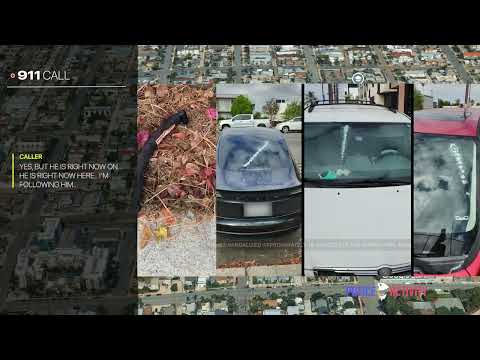
Public safety records and video descriptions provide foundational details regarding emergency responses conducted by local law enforcement agencies. According to the source material provided by the video description, the events unfolded on September 16, 2026, starting shortly after 9:00 a.m. in San Diego, California. Multiple individuals placed emergency 9-1-1 calls to report property damage occurring in the North Park area. Callers specifically stated that an individual was utilizing a metal object to shatter vehicle windows on parked automobiles along public streets.
The reported actions involved approximately 18 vehicles sustaining vandalism damage throughout the neighborhood streets. When law enforcement personnel arrived in the vicinity, they began searching for the individual matching the physical description provided by community callers. Dispatch information and caller reports remain crucial elements in establishing the initial timeline of police involvement. Observers reviewing public safety disclosures must rely strictly on documented timelines and verified agency reports to understand the chronological sequence of every reported patrol response.
Official agency accounts emphasize that initial dispatches are often dynamic and subject to continuous updates as officers arrive at the scene. While the video description outlines the reported vandalism of numerous vehicles, formal investigative records compiled by detective divisions provide the comprehensive documentation required for judicial review. Public safety explainers rely on these transparent disclosures to inform readers about the nature of community calls and the immediate duties confronting responding officers during routine field operations.
Initial Police Response and Neighborhood Location
Responding officers located the individual later identified as 33-year-old Saul Sandoval Chavez near the 2900 block of Polk Avenue. According to the source text, law enforcement personnel attempted to make direct contact with the suspect based on the descriptions supplied by community members. Upon observing the approaching officers, Chavez immediately fled the location, prompting patrol personnel to initiate a foot pursuit through the residential streets of the North Park neighborhood.
Foot pursuits represent high stress situations where officers must navigate complex urban environments while maintaining visual contact with a fleeing subject. The source material notes that the pursuit continued toward 30th Street and Lincoln Avenue, where the suspect briefly stopped and turned toward the pursuing personnel. During this pause in movement, the individual allegedly ignited an incendiary device composed of an aerosol spray bottle containing a flammable substance paired with a torch lighter.
Investigative protocols require rigorous examination of all physical evidence recovered from the path of a foot pursuit. Law enforcement agencies document every movement, command, and tactical decision through body worn camera recordings and radio transmissions. While the source details the movement from Polk Avenue toward 30th Street, independent oversight bodies examine these movements to evaluate adherence to departmental policies governing foot pursuits and suspect containment strategies.
Confrontation Involving an Incendiary Device
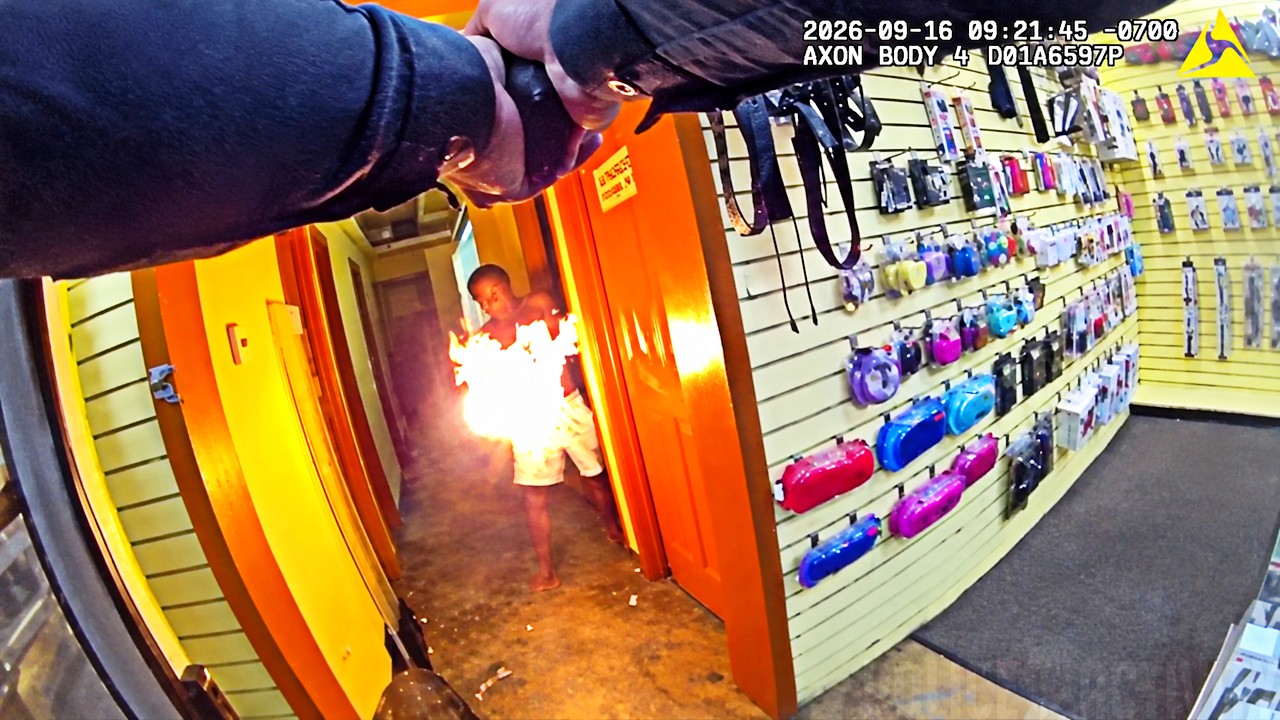
The introduction of an incendiary device significantly alters the tactical risk assessment for any law enforcement encounter. According to the video description, the device utilized by Chavez consisted of an aerosol container holding a flammable substance, ignited by a torch lighter. After displaying the burning device near 30th Street and Lincoln Avenue, the suspect continued running in a northerly direction along 30th Street before entering a commercial business located in the 4000 block.
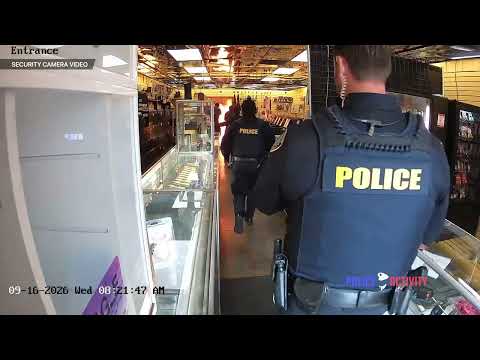
Pursuing officers maintained a tactical perimeter and followed the suspect into the business premises as additional backup units arrived at the scene. For approximately five minutes, officers delivered repeated verbal commands instructing Chavez to drop to the ground. Authorities also issued explicit warnings that a police K-9 would be released into the area if compliance was not achieved. Despite these continuous verbal warnings, the suspect ignored the directives issued by law enforcement personnel.
Public safety analysis of enclosed space encounters highlights the extreme hazards posed by flammable substances and improvised incendiary tools. The source states that Chavez pointed the lit incendiary device at a structural wall shared with an occupied neighboring business for several seconds. Police personnel must balance the immediate threat to surrounding citizens and occupants with tactical options designed to safely resolve dangerous standoffs without resorting to lethal force.
Deployment of Less-Lethal Options and K-9 Unit
Faced with an uncooperative suspect brandishing an active incendiary device inside a commercial building, officers attempted various tactical options. The source indicates that personnel first deployed less-lethal beanbag rounds in an effort to neutralize the threat safely. However, these less-lethal projectile impacts were determined to be ineffective in stopping the suspect’s behavior or securing compliance with lawful orders.
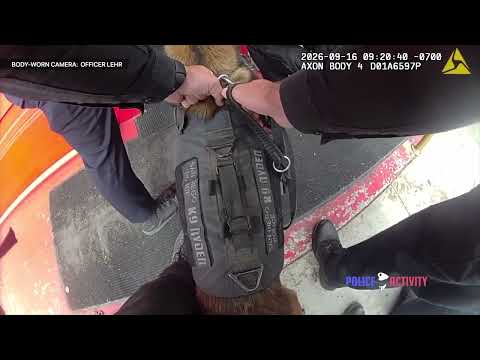
Following the unsuccessful deployment of beanbag rounds, Officer Lehr released police K-9 Ryder into the building to assist with apprehension. The video description notes that Chavez emerged and immediately directed the incendiary device against the police canine. As a direct result of this action, K-9 Ryder suffered burn injuries to his face and upper body. The injured animal was promptly transported to a veterinary hospital, where he received professional medical treatment and has since successfully returned to active duty service.
The use of police service animals involves strict training standards and departmental guidelines governing their deployment in high risk tactical operations. Documented veterinary records and operational logs verify the injuries sustained by K-9 units during line of duty encounters. Review boards analyze canine deployment records alongside body camera footage to determine whether the tactical deployment met established law enforcement standards and protocols.
Discharge of Service Weapon and Fireball Incident
The escalation inside the commercial business culminated in the discharge of a service weapon by a responding officer. According to the provided source text, officers deployed additional bean bag rounds while advancing into the business premises as Chavez continued directing flames toward them. At that point, Officer Lehr discharged his service weapon. The recorded gunfire resulted in a round striking the aerosol container held by the suspect, causing it to rupture and create a sudden fireball within the enclosed space.
The interaction between kinetic projectiles and flammable aerosol containers introduces severe physical hazards for all individuals present in the area. The source confirms that the bullet impact directly caused the pressurized container to burst, intensifying the fire hazards inside the structure. Three San Diego police officers sustained burn injuries during the unfolding incident as a result of the flames and the resulting chemical or thermal reactions within the business.
Independent investigative agencies, including state or local oversight divisions, review all officer involved shooting incidents to establish a complete factual record. Ballistic reports, forensic analyses of the scene, and synchronised body camera recordings allow investigators to reconstruct the exact trajectory of rounds and the timeline of events. These comprehensive investigations ensure transparency and accountability within the department following any use of lethal force.
Immediate Medical Aid and Post-Incident Response
Following the weapon discharge, officers immediately intervened to extract Chavez from the business premises. The source video description highlights that portions of the suspect’s clothing were still actively on fire when personnel pulled him out of the building. Officers on scene initiated emergency medical aid without delay, working to extinguish flames and provide life-saving assistance until professional paramedics arrived at the location.
Paramedics transported Chavez to a nearby medical facility for emergency trauma care. Despite the immediate medical interventions performed by officers and hospital staff, the source notes that the suspect was later pronounced deceased at the hospital. Concurrently, medical personnel evaluated the three police officers who had sustained burn injuries during the confrontation inside the business.
Emergency medical response protocols require comprehensive documentation of all treatments administered at the scene and during transit to medical facilities. The source confirms that the three injured officers were treated for their burns and subsequently released from medical care later that same evening. Detailed medical reports, ambulance logs, and hospital records form an essential part of the official public safety dossier compiled for review by oversight authorities.
Understanding the Limitations of Video Explainer Formats
Video explainers compiled from publicly available footage provide valuable visual context regarding complex law enforcement incidents, but they possess inherent operational limitations. Camera angles captured by body worn devices or surveillance systems offer only a partial perspective of a chaotic, fast moving environment. Viewers must recognize that editing choices, audio constraints, and fluctuating lighting conditions can influence how an event appears to external observers.
A video recording alone cannot capture the complete sensory environment experienced by officers on the scene, including peripheral threats, spatial dimensions, and subtle verbal cues exchanged during a crisis. To establish a comprehensive understanding of any police incident, analysts and members of the public must examine primary source documentation alongside visual media. This includes official police reports, dispatch audio logs, forensic ballistic findings, and independent investigative summaries.
Due process and administrative review mechanisms rely heavily on these multifaceted evidentiary records rather than isolated video clips. Public safety explainers emphasize the necessity of waiting for complete investigative findings before drawing definitive conclusions about tactical decisions or operational outcomes. By examining all available public records, observers maintain an informed and objective perspective on law enforcement procedures.
Due Process, Verification, and Public Safety Standards
Public safety topics involving critical law enforcement interventions underscore the importance of established due process and rigorous investigative verification. Every agency involved in an officer involved shooting must adhere to transparent review procedures designed to examine the conduct of all participants objectively. Independent prosecutors, internal affairs investigators, and oversight boards analyze the collected evidence to ensure accountability under the law.
Readers seeking to verify the accuracy of news explainers should consult official press releases issued directly by municipal police departments and oversight agencies. Cross-referencing statements from law enforcement public information officers with verified public records ensures that reporting remains grounded in established facts. Presumption of innocence remains a foundational principle of the legal system, ensuring that all involved parties are afforded a fair and impartial review of the facts.
Community education regarding public safety incidents fosters constructive dialogue about police training, less-lethal technology development, and crisis intervention protocols. By focusing on verified facts from official sources, explainers contribute to public awareness while respecting the formal judicial and administrative processes that govern law enforcement agencies across the country.
Analysis of Equipment Performance in Critical Incidents
Equipment performance during active police interventions is a key area of study for tactical trainers and equipment manufacturers alike. In this San Diego incident, officers utilized less-lethal beanbag rounds in an attempt to subdue the suspect prior to advancing into the commercial building. The source notes that these rounds were ultimately ineffective in stopping the suspect’s actions, highlighting the operational challenges officers face when dealing with highly agitated individuals who are unresponsive to pain compliance tools.
Law enforcement gear is rigorously tested, but field conditions often introduce variables that laboratory settings cannot replicate. Aerosol containers and torch lighters, when introduced as improvised hazards by suspects, create severe chemical and thermal risks. The rupture of the aerosol container after being struck by a round demonstrated how unexpected physical interactions can rapidly alter the tactical landscape, generating a fireball that injured multiple officers.
Evaluating equipment utility involves reviewing after action reports submitted by departmental armorers and tactical supervisors. These reports assess the reliability of less-lethal launchers, body armor, and specialized tools like K-9 gear. When equipment fails to achieve its intended tactical outcome or sustains damage, such as the burns suffered by K-9 Ryder, agencies review procurement standards and deployment guidelines to improve future readiness.
Manufacturers also monitor these real world incidents to determine if design modifications are necessary for protective garments or less-lethal projectiles. Independent safety auditors examine equipment failure rates across various police departments to establish best practices. By analyzing these technical factors, agencies strive to equip personnel with tools that maximize safety while minimizing unpredictable environmental hazards.
Canine Unit Roles and Veterinary Care Protocols
Canine units serve specialized tactical functions within modern law enforcement agencies, assisting in tracking, building searches, and the apprehension of dangerous suspects. In the North Park Area incident, K-9 Ryder was deployed by Officer Lehr after repeated verbal commands and less-lethal options failed to secure compliance. Police dogs are trained to locate and secure individuals who pose immediate threats, operating in confined spaces where human officers might face elevated risks.
Deploying a K-9 into an environment where a suspect is armed with an incendiary device underscores the high stakes inherent in canine operations. According to the source description, K-9 Ryder suffered burns to his face and upper body when the suspect used the incendiary device against him. This event illustrates the physical dangers police animals encounter during dynamic tactical confrontations.
Standard operating procedures for law enforcement agencies dictate immediate veterinary intervention when a working dog is injured in the line of duty. K-9 Ryder was promptly transported to a veterinary hospital for specialized treatment, ensuring he received proper medical care for his burn injuries. The source confirms that following his recovery, K-9 Ryder successfully returned to active duty.
Administrative oversight of K-9 deployments involves evaluating whether the use of the animal met departmental necessity thresholds and humane treatment guidelines. Internal reviews examine handler commands, deployment duration, and environmental hazards. Documenting veterinary responses and recovery milestones ensures complete accountability within specialized canine divisions.
Emergency Medical Response and Life Saving Protocols
The transition from a tactical confrontation to the rendering of medical aid is a critical phase in any critical police incident. When officers pulled Chavez from the business while portions of his clothing were still on fire, they initiated immediate life saving protocols. Police training emphasizes that neutralizing a threat is immediately followed by providing emergency first aid to injured individuals, regardless of their actions.
Officers on scene utilized their training to address severe thermal injuries until professional paramedics arrived to assume patient care. Emergency medical services personnel conducted rapid triage and stabilized the patient for transport to a nearby hospital. The prompt execution of these medical protocols is a vital component of the emergency response chain, designed to give injured persons the highest possible chance of survival.
Hospital based emergency care involves specialized trauma teams equipped to treat extensive burn injuries and secondary trauma resulting from incidents involving fire and projectiles. Despite the advanced medical intervention provided at the hospital, the source states that Chavez was later pronounced deceased. Medical staff document all treatment efforts, diagnostic tests, and resuscitative measures in official hospital records.
Independent investigative bodies, including medical examiner offices and state oversight agencies, review all medical records and emergency response logs as part of the broader inquiry. This comprehensive documentation ensures that every action taken by officers and medical personnel is scrutinized for adherence to established emergency medical and legal standards.
Investigative Transparency and Public Information Releases
Public disclosure of police video footage and incident summaries is governed by state transparency laws and departmental policies designed to balance openness with investigative integrity. The release of the 9-1-1 audio, body camera recordings, and written descriptions by platforms like PoliceActivity provides the community with a window into how law enforcement agencies manage critical incidents.
Transparency initiatives require agencies to release factual data systematically, ensuring that the public receives accurate information without compromising ongoing criminal and administrative investigations. Investigative transparency helps dispel rumors and provides a factual basis for public discussion. However, initial video releases represent only a fraction of the total investigative file compiled by detectives and oversight bodies.
Comprehensive investigations into officer involved incidents typically involve months of evidence gathering, forensic testing, witness interviews, and expert analyses. Prosecutors rely on these complete investigative packages to determine whether criminal charges or administrative violations occurred.
Community members seeking verified information should monitor official announcements from the relevant law enforcement agency and district attorney’s office. These formal channels provide the definitive legal conclusions and factual findings once all investigative phases are fully completed.
More source-attributed coverage appears in the Crime News section.
Frequently asked questions
When did the incident in San Diego occur?
The incident occurred on September 16, 2026, starting shortly after 9:00 a.m.
What led officers to the suspect initially?
Officers responded to multiple 9-1-1 calls reporting a man vandalizing approximately 18 vehicles in the North Park area using a metal object.
What type of device did the suspect use against police?
The suspect used an incendiary device consisting of an aerosol spray bottle containing a flammable substance and a torch lighter.
What injuries were sustained by K-9 Ryder?
K-9 Ryder suffered burns to his face and upper body after the suspect used the incendiary device against him, and he has since returned to duty.
What happened to the three injured police officers?
Three San Diego police officers suffered burn injuries during the incident, and all three were treated and released from care later that evening.
Source video