
Coast Guard Top 10 Videos 2026 is back as a public YouTube countdown built around Coast Guard missions, rescues, training, security work, and family support. The source video, published by Coast Guard Mutual Assistance on July 17, 2026, is only 63 seconds long, so this Navyago recap stays close to what the video metadata, description, and captions actually state.
According to the source description, the 2026 competition will feature ten Coast Guard operations captured between Coast Guard Day 2025 and Coast Guard Day 2026. The campaign is not presented as a complete incident report, a list of final winners, or a full operational archive. It is a campaign launch and voting guide. That distinction matters because readers should know what is stated now, what will be released later, and what should not be assumed from a short teaser.
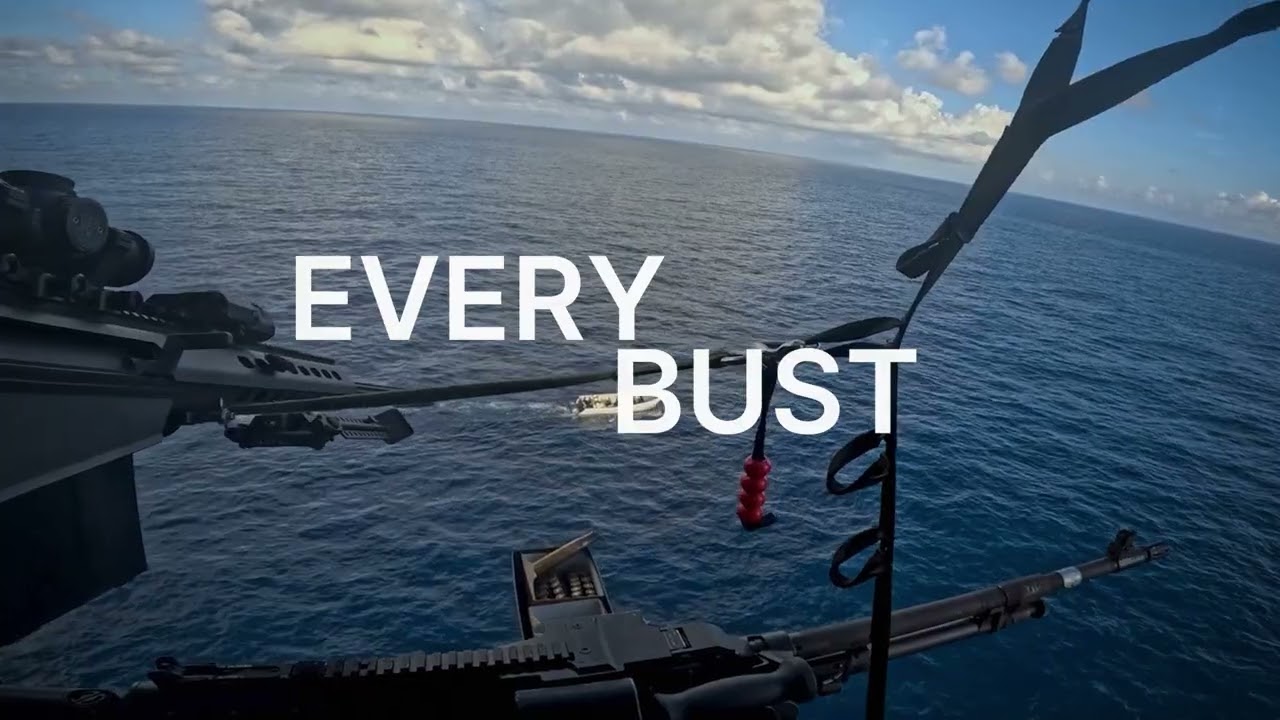
Table of Contents
- What CGMA announced
- Why the countdown format matters
- What the 63-second teaser shows
- Mission categories named in the source
- How voting and support are described
- What readers should not overclaim
- Why the source media matters
- FAQ
- Source Video
What CGMA announced
The YouTube source is titled U.S. Coast Guard: Top 10 Videos of 2026. The metadata identifies the uploader as Coast Guard Mutual Assistance, often shortened to CGMA. According to the description, the Coast Guard Top 10 Videos countdown had previously celebrated Coast Guard missions, courage, and professionalism for nearly a decade. The source says the format is now returning for a 2026 competition.
The central announcement is simple: ten compelling Coast Guard operations will be showcased in a countdown. The description says the operations were captured between Coast Guard Day 2025 and Coast Guard Day 2026, and it says the campaign will release one video each weekday over two weeks. That release structure means this teaser is the start of a sequence, not the whole sequence.
The description also says the countdown will move from number ten toward the 2026 People’s Choice Video of the Year. It names August 5 as the date when the winning video will be announced following Coast Guard Day. Navyago is treating that as a source-stated timeline, not as an independent verification of the final outcome. The winner, final vote totals, and full entry details would need a later source once the campaign is complete.
For readers, the useful takeaway is that the source announces the return of a public-facing Coast Guard video campaign. It does not identify every event behind every future entry. Anyone following the countdown should treat each later video as its own source and avoid filling in operational details from memory, assumptions, or unrelated Coast Guard stories.
Why the countdown format matters
A Top 10 format does more than package footage into a list. It creates a way for the public to follow different parts of Coast Guard work across time. A single highlight may show a rescue, an interdiction, training in rough conditions, or an ice mission. A countdown lets those pieces appear as a series, giving viewers a reason to return as each entry is released.
According to the description, the 2026 campaign includes a public voting component. That means the series is not only a one-way announcement. Viewers are invited to choose a favorite and support it through engagement and donations. The source frames the final result as a People’s Choice award, which is important wording. It means the winner is tied to public response inside the campaign rules, not necessarily to an official ranking of operational danger, complexity, or strategic importance.
The countdown also gives the Coast Guard story a human frame. The teaser captions point to missions, heroics, storms, rescues, and legacy. The description connects those visuals to the men and women who serve and to Coast Guard families. That combination is why the campaign can interest both casual viewers and readers who want to understand the broader support system behind public safety and maritime service.
What the 63-second teaser shows
The available captions show the teaser moving quickly. It begins by saying that, for nearly a decade, the Top 10 captured the missions and heroics of the United States Coast Guard. The video then uses brief spoken or captioned phrases such as honor, respect, devotion to duty, every storm, every rescue, and every bust. Near the end, the captions say that these moments defined a legacy and that the Top 10 is back.
Because the video is a teaser, its strongest information is about tone and scope. It tells viewers what kind of campaign is returning. It does not give enough source detail to identify all ten missions, name each unit, explain each operation, or state the final result. A careful reader should see the teaser as a doorway into the countdown rather than as a complete record.
The teaser’s pacing also explains why the article should be a source recap instead of a dramatic retelling. It gives mission themes, not full case files. It gives voting instructions, not final vote totals. It gives CGMA context, not a full fundraising audit. That is still useful information, but it has to be handled with clear boundaries.
Mission categories named in the source
The source description lists several mission areas expected inside the campaign: daring rescues, heavy-weather surf training, polar icebreaking, counter-drug operations, maritime security missions, and lifesaving heroics. Those categories show how wide the Coast Guard role can be, especially for readers who mostly think of the service through one type of mission.
Rescue is the most familiar category. The captions mention storms and rescues, and the description points to lifesaving heroics. That can include dramatic public footage, but the source does not identify every specific rescue in the teaser. Navyago therefore treats rescue as a campaign category until each individual countdown entry provides its own facts.
Heavy-weather surf training points to preparation before emergencies. Training can look intense because crews practice in conditions that test boats, communication, timing, and judgment. The source names the category but does not give a specific training location, crew, or date inside this teaser. Those details would need to come from a later entry or another reliable source.
Polar icebreaking adds a different kind of mission. Ice operations can involve endurance, specialized cutters, remote conditions, and support for broader maritime activity. Again, the source only names the category. A source-based recap should not invent a cutter name, route, or operational purpose unless the campaign releases that information in a specific entry.
Counter-drug operations and maritime security missions bring in the law-enforcement side of Coast Guard work. The captions include the phrase “every bust,” and the description mentions counter-drug and maritime security work. Those words tell readers the campaign may include interdiction or security footage, but they do not establish arrests, seizures, locations, charges, or court outcomes. Those facts should be reported only from the relevant entry or an official source.
How voting and support are described
The YouTube description explains that fans can support a favorite video by liking it, leaving a comment, and sharing it with friends and family. It also says viewers can make a donation tied to a specific video, and that every one dollar donated adds five votes to that video’s total. This article is reporting the source’s stated voting mechanism; it is not auditing donation totals or confirming final vote counts.
That voting system gives the campaign two layers. The first layer is simple engagement: watch, like, comment, and share. The second layer is financial support through CGMA. The description connects that support to Coast Guard members and families, which is why the campaign is not only about the most dramatic footage. It is also about turning attention into help for the community around the service.
The description says CGMA has served for more than 100 years as the official relief society of the U.S. Coast Guard. It describes support areas such as disaster recovery, emergency travel, education, family support, housing assistance, and similar needs. Readers should treat those as claims from the campaign description unless they independently review CGMA materials. The safe point is that the campaign itself connects video voting with CGMA family support.
For viewers, the practical advice is to read the campaign rules on the source page before assuming how a favorite entry can win. Engagement may show interest, while donations add votes according to the source. The final People’s Choice result should be checked after the announced winner is posted.
What readers should not overclaim
The biggest mistake would be treating this teaser as if it already explains the details of all ten videos. It does not. The source says videos will be released on a weekday schedule, so each later entry deserves its own review. Until then, the teaser supports the campaign summary, the mission categories, the voting idea, and the CGMA framing.
Readers should also avoid assuming that a public vote equals an official operational ranking. A People’s Choice video can win because it moves viewers, gets shared widely, or receives strong support from donors. That does not automatically mean it was the most dangerous mission, the most complex case, or the most important Coast Guard operation of the year.
The same caution applies to sensitive details. The teaser does not name arrests, casualties, rescue subjects, suspects, court cases, exact locations, or specific final outcomes. If a later countdown entry includes those details, they should be attributed to that entry or to official releases. If they are not in the source, they should not be added for effect.
Why the source media matters
For a YouTube-based recap, the source media is part of the evidence. The thumbnail, title, channel, description, captions, and embed all point readers back to the same public source. That is why the image at the top of this article is the uploaded copy of the source YouTube thumbnail, and why the article includes the source video near the end.
This is especially important for a campaign teaser. There are many generic Coast Guard or maritime images online, but a generic image would not tell readers which source this recap is based on. The source thumbnail gives the reader a direct visual connection to the video being summarized. The iframe then lets readers watch the original teaser and compare it with the article’s summary.
The article’s boundary is therefore visible: it explains what the source says, links to the source, embeds the source, and avoids claiming more than the source supports. That is the cleanest way to cover Coast Guard Top 10 Videos 2026 before the individual countdown entries are fully released.
FAQ
What is Coast Guard Top 10 Videos 2026?
Coast Guard Top 10 Videos 2026 is a YouTube campaign announced by Coast Guard Mutual Assistance. According to the source description, it will showcase ten Coast Guard operations captured between Coast Guard Day 2025 and Coast Guard Day 2026.
Who published the source video?
The metadata identifies the uploader as Coast Guard Mutual Assistance. Navyago uses that source attribution and does not describe the video as a full government incident report.
How long is the source video?
The source video is about 63 seconds long. Because it is a teaser, it introduces the campaign and its themes but does not give full details for every countdown entry.
What mission types does the source mention?
The description mentions daring rescues, heavy-weather surf training, polar icebreaking, counter-drug operations, maritime security missions, and lifesaving heroics. Each specific entry should be checked from its own source when released.
How does voting work according to the source?
The description says viewers can like, comment, and share a video. It also says donations tied to a specific video add votes, with every one dollar donated adding five votes to that video’s total.
Does this article name the winner?
No. The source description says the winning video will be announced on August 5 following Coast Guard Day. This article does not claim a winner or predict the final result.
Source Note
This recap is based on the YouTube video U.S. Coast Guard: Top 10 Videos of 2026, video ID lqeHTysFsoA, published by Coast Guard Mutual Assistance on July 17, 2026. Navyago reviewed the public YouTube metadata, description, thumbnail, and available English captions. For related public-source maritime coverage, readers can also visit the Navyago homepage.