
Detroit Officer Shoots Armed Teen details a June 2026 incident in Michigan where an 18-year-old was shot during a foot chase. According to the video description from PoliceActivity published on October 13, 2026, officers David Gonzalez and Joseph Wafer responded to Cadillac Square, leading to a pursuit, a firearm recovery, subsequent legal proceedings, and a prosecutorial review regarding the use of force.
Overview of the Incident at Cadillac Square
According to the video description provided by PoliceActivity, the events took place on June 22, 2026, in Detroit, Michigan. Officers David Gonzalez and Joseph Wafer arrived at Cadillac Square to assist another unit handling an unrelated arrest. During this encounter, 18-year-old Alonzo Lee-Perkins walked past their patrol vehicle. The source states that the officers’ attention was drawn to him because they believed he was holding something near his waistband.
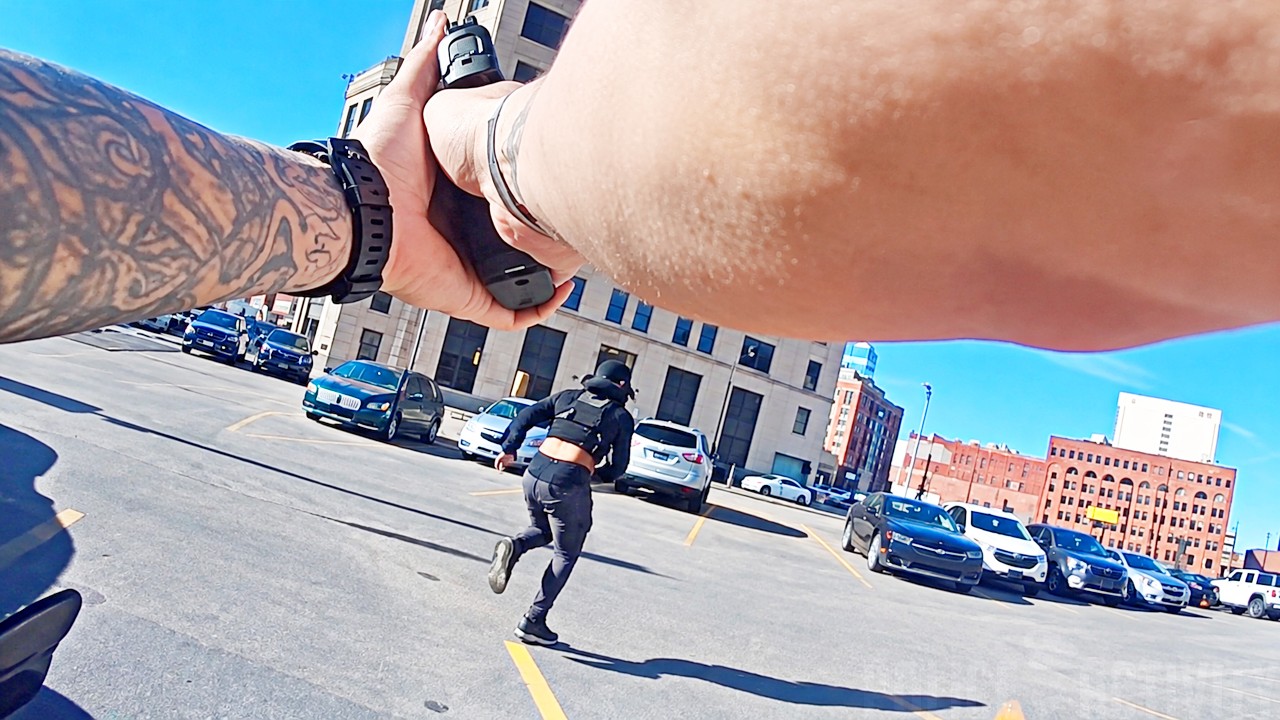
As Lee-Perkins walked past, Officer Gonzalez ordered him to stop. Instead of complying with the verbal command, Lee-Perkins began to run. This action prompted Officer Gonzalez to immediately pursue him on foot with his weapon drawn. The source highlights that public safety encounters involving foot pursuits often escalate rapidly, requiring officers to make split-second decisions while balancing potential risks to the community and themselves.
Body Camera Footage and Chase Dynamics
Body camera footage later released to the public captured the unfolding foot chase. According to the source, Officer Gonzalez repeatedly threatened to shoot as he chased Lee-Perkins through a parking lot. Lee-Perkins continued running away from the officer. While in pursuit, Officer Gonzalez fired four shots, striking Lee-Perkins in the back. The source notes that a firearm was subsequently recovered near the location where the teenager fell.
The release of the body camera video raised significant questions among observers. The source indicates that the footage created doubt regarding whether Lee-Perkins had displayed a weapon during the pursuit. Specifically, he appeared to be running away without anything clearly visible in his hands. This visual ambiguity is a central point of discussion in evaluations of police use of force, where video evidence must be scrutinized alongside other physical evidence and testimony.
Public Outrage and Community Response
The shooting incident sparked immediate public outrage and protests across the community. According to the source, citizens and advocacy groups made strong demands for the immediate release of the body camera footage. This community reaction intensified an ongoing, broader debate over police accountability and transparency within the Detroit area. Public demonstrations highlight the tension between law enforcement procedures and community expectations regarding civilian safety.
When reviewing such incidents, safety advocates emphasize the importance of open communication between police departments and the public. Transparency helps maintain civic trust, especially when controversial use of force events occur. The source documents that public pressure directly influenced the dissemination of the recorded footage, allowing independent observers, legal experts, and community members to examine the visual record of the encounter.
Testimony and Legal Proceedings
Legal proceedings provided further details about the perspectives of the officers involved. During a preliminary examination, Officer Joseph Wafer testified that he suspected Lee-Perkins was carrying a firearm. However, the source explicitly notes that Wafer acknowledged he never actually saw a gun in the teenager’s hands during the encounter.
On the defense side, Lee-Perkins later admitted to investigators that he had a firearm secured at his waistband. Despite this admission, his defense attorney maintained that he never drew or pointed the weapon at officers. The defense argued that both the initial stop and the subsequent shooting were entirely unjustified under the circumstances. A judge ultimately determined that prosecutors had presented sufficient evidence for the criminal case against Lee-Perkins to proceed, with charges including carrying a concealed weapon, felony firearm, and resisting police.
Prosecutorial Review and Officer Status
The actions of Officer David Gonzalez underwent a separate legal review by the Wayne County Prosecutor’s Office. According to the source, Wayne County Prosecutor Kym Worthy announced on October 6 that Officer Gonzalez would not face criminal charges. The decision cited insufficient evidence to overcome the officer’s legal protections involving self-defense, defense of others, and the apprehension of fleeing felons.
Following this prosecutorial determination, the administrative status of the officer was addressed by his department. The source confirms that Officer Gonzalez has not been charged criminally and has been back on full-duty status since July 20. This outcome underscores the distinct boundary between criminal charging decisions and internal departmental policies governing officer deployment.
Evaluating Video Evidence and Due Process
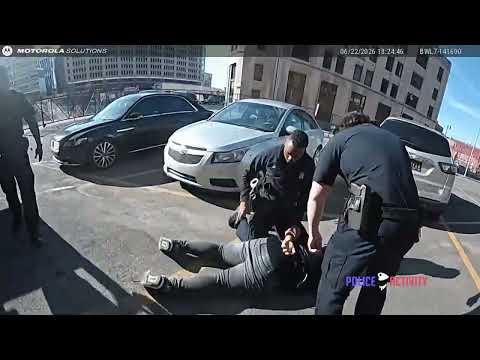
When analyzing incidents documented on platforms like PoliceActivity, viewers must understand the inherent limitations of video footage. A camera captures a specific angle and field of view, which may not fully represent everything an officer perceived in real time under high-stress conditions. Due process requires that all available evidence, including forensic reports, witness statements, and expert testimony, be considered alongside recorded media.
Legal standards governing police use of force typically evaluate an officer’s actions based on the information known to them at the exact moment the decision was made. The presumption of innocence applies to all parties involved, ensuring that accusations are tested in a court of law rather than through premature public judgment. Verifying facts through official public safety records remains essential for an accurate understanding of such events.
General Context on Police Foot Chases
Police foot chases represent some of the most dynamic and unpredictable situations officers encounter in the line of duty. Law enforcement agencies across the country continually review and update their training protocols regarding pursuits to minimize risks to suspects, bystanders, and officers alike. These policies often balance the necessity of apprehending fleeing individuals against the potential danger posed by escalating force.
In many jurisdictions, specific criteria must be met before an officer can deploy lethal force during a fleeing felon situation, typically requiring an immediate threat of death or serious bodily harm to the officer or others. Legal frameworks provide protections for officers who act in good faith based on reasonable beliefs, while also establishing mechanisms for independent review when injuries occur. Understanding these policies helps contextualize why certain legal outcomes are reached following comprehensive investigations.
Verification and Public Safety Resources
Readers seeking to verify details regarding public safety incidents should rely on official court documents, police department press releases, and statements from prosecuting attorneys. Video aggregators like PoliceActivity provide raw source material, but comprehensive verification requires examining the underlying legal filings and transcripts from preliminary examinations and trials.
Community members interested in police accountability can also review municipal oversight board reports, policy manuals, and civilian complaint data. Staying informed through verified sources ensures that discussions surrounding law enforcement actions remain grounded in established facts rather than speculation. Due process and thorough investigations remain the bedrock of the American legal system for evaluating complex public safety encounters.
Investigative Procedures in Use of Force Cases
Investigative procedures following an officer-involved shooting typically involve multiple independent entities examining the scene. Internal affairs units, homicide detectives, and civilian oversight agencies often conduct simultaneous inquiries to gather forensic evidence and interview witnesses. These layered investigations aim to ensure comprehensive oversight before any findings are presented to a prosecutor for a charging decision.
Forensic experts analyze shell casings, weapon locations, and medical reports to reconstruct the sequence of events. According to the source description, physical evidence recovered from the scene included a firearm found near where Lee-Perkins fell. Corroborating physical findings with digital recordings helps investigators establish a reliable timeline of the encounter.
Legal Standards for Fleeing Suspects
Legal standards governing the use of lethal force against fleeing suspects are rooted in established constitutional jurisprudence. Prosecutors evaluate whether an officer reasonably believed that the suspect posed an immediate threat of death or serious physical harm to the officer or others. The presence of a firearm, even if secured in a waistband, introduces complex legal questions regarding imminent danger during a dynamic foot chase.
State laws regarding the apprehension of fleeing felons provide specific protections for law enforcement officers acting within the scope of their duties. However, these protections are rigorously tested in preliminary examinations and court hearings. Prosecutors must weigh whether the totality of the circumstances justifies the application of deadly force under the applicable legal statutes.
Community Impact and Policy Debates
Incidents involving law enforcement use of force frequently generate intense community discussions regarding police tactics and department policies. Public demonstrations and protests serve as visible reminders of the ongoing dialogue between citizens and municipal authorities. Leadership within police departments often responds by engaging in town hall meetings and reviewing internal directives to address community concerns.
Transparency initiatives, such as the mandated release of body camera footage, represent a significant shift in how police agencies communicate with the public. While video disclosures can provide immediate context, they also spark widespread debate over interpretation and accountability. Balancing the need for public transparency with the integrity of ongoing legal proceedings remains a central challenge for modern public safety administrators.
Accessing Official Public Records
Accessing official public records is a critical step for anyone attempting to understand the full scope of a criminal case or police investigation. Court filings, preliminary examination transcripts, and prosecutor memos contain verified details that go beyond preliminary video descriptions. Citizens can request these documents through municipal clerks or court administration offices to review the formal arguments presented by both the prosecution and the defense.
Journalists and researchers utilize these primary documents to ensure accurate reporting on matters of public interest. By relying on certified records rather than unverified commentary, the public gains a clearer understanding of how the justice system processes complex officer-involved incidents from initial response to final prosecutorial review.
More source-attributed coverage appears in the Crime News section.
Frequently asked questions
When did the incident involving Officer David Gonzalez and Alonzo Lee-Perkins occur?
The incident occurred on June 22, 2026, in Cadillac Square, Detroit, Michigan.
What injuries did Alonzo Lee-Perkins sustain during the foot chase?
Lee-Perkins was struck in the back by gunfire from Officer Gonzalez and survived his injuries.
What charges were brought against Alonzo Lee-Perkins in the criminal case?
Lee-Perkins faced charges including carrying a concealed weapon, felony firearm, and resisting police.
Did Wayne County Prosecutor Kym Worthy file criminal charges against Officer Gonzalez?
No, Prosecutor Kym Worthy announced on October 6 that Officer Gonzalez would not face criminal charges due to insufficient evidence to overcome legal protections.
What is the current duty status of Officer Gonzalez according to the source?
Officer Gonzalez has been back on full duty since July 20.
Source video