
LAPD officers open fire after responding to a residential call regarding an ambulance cutting incident in Los Angeles, California, where officers encountered an armed suspect threatening a family member inside a bedroom before deploying their service weapons during the September 2026 confrontation.
Overview of the Incident Location and Initial Response
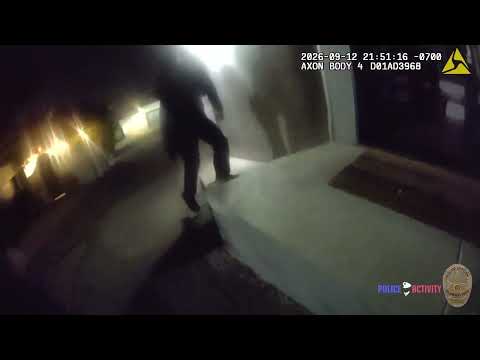
According to the video description provided by PoliceActivity, the events unfolded on September 12, 2026, at approximately 9:35 p.m. Los Angeles Police Officers were dispatched to a residence following a radio call reporting an ambulance cutting incident. Upon arrival at the designated location, responding personnel were immediately directed toward a male victim who was inside the residence and suffering from visible stab wounds.
Public safety video platforms frequently share raw footage and summaries of law enforcement interactions to keep communities informed about emergency responses. These digital logs offer a window into the rapid decisions officers must make upon arriving at chaotic scenes. In this specific case, the initial discovery of an injured victim prompted immediate calls for specialized medical assistance while officers simultaneously assessed ongoing threats within the home.
The role of responding units involves balancing immediate life safety measures for injured parties with the containment of potential threats. When officers entered the residence, they had to gather quick intelligence from witnesses or victims to determine the exact whereabouts of any dangerous individuals. This foundational step is critical for understanding the progression of events detailed in the official summary.
Discovery of the Initial Victim and Medical Requests
Once inside the residence, officers located the first male victim who had sustained injuries from a cutting instrument. Recognizing the severity of his condition, the responding personnel promptly requested a rescue ambulance to transport him for emergency medical treatment. The prompt call for medical aid highlights the dual priority of law enforcement during violent encounters, which centers on securing the area while preserving human life.
Emergency medical services rely heavily on clear communication from police officers to safely stage their vehicles and approach scenes where violence has occurred. The source notes that this initial victim was later transported to a nearby hospital, where medical staff evaluated his condition as stable. Tracking hospital updates through official public safety channels is a reliable way to verify the recovery status of injured parties following such incidents.
Video documentation released by channels like PoliceActivity provides a transparent look at how police manage multiple priorities during a crisis. While one group of officers tends to the injured, others must pivot toward locating the suspect to prevent further harm. This division of labor is standard operating procedure for municipal police agencies responding to domestic or interpersonal violence calls.
Encountering the Armed Suspect Inside the Bedroom
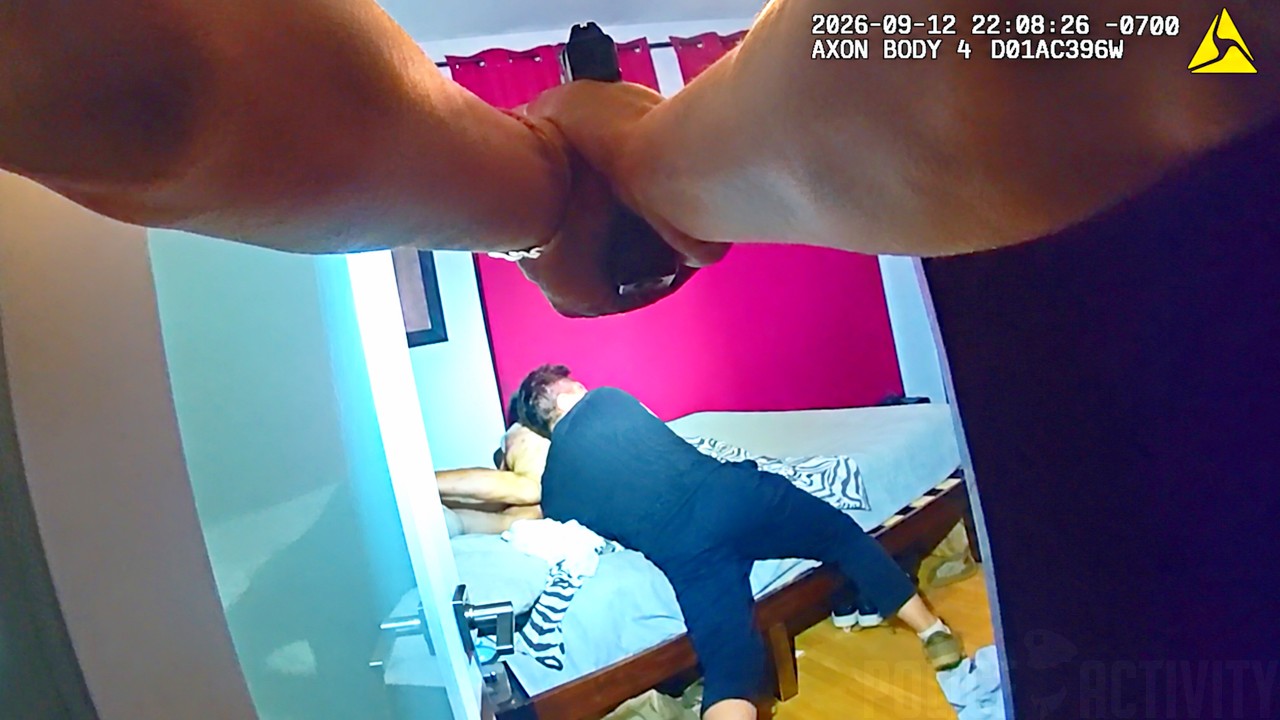
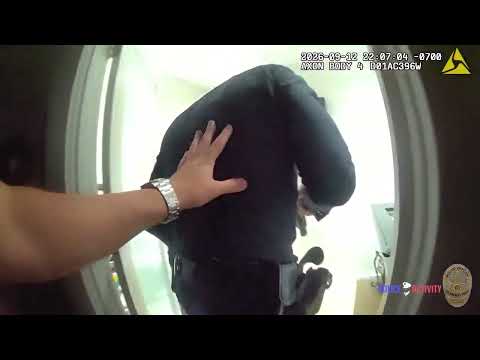
While tending to the initial phases of the call, officers learned that the suspect was barricaded or located inside a bedroom with an additional male occupant. Furthermore, intelligence gathered at the scene indicated that the suspect remained armed with a knife. This revelation escalated the tactical urgency, prompting additional officers to respond to the location to establish a coordinated approach.
Assembling a specialized team is a standard tactical maneuver designed to safely enter enclosed spaces where an armed individual poses an active threat. Police training emphasizes the containment of suspects to prevent them from moving freely through a structure or harming others. In this scenario, the presence of a second person inside the bedroom created an immediate hostage or rescue dynamic that demanded swift intervention.
Video summaries cannot capture every nuance of the internal layout of a home, but they outline the sequence of tactical steps taken by the department. Viewers should understand that approaching an armed person in a confined area carries extreme risks for both officers and civilian bystanders. The formation of an entry team reflects the calculated measures law enforcement takes to mitigate those inherent dangers.
Observing the Struggle and Hearing Threats
As the officers approached the bedroom door, they made direct observations that heightened the threat level of the situation. According to the source description, the officers observed the suspect actively struggling with the additional male over the knife. During this physical confrontation, the officers heard the suspect making explicit statements indicating an intent to kill the other man.
Witnessing an active assault in progress eliminates the time typically available for extended negotiation or prolonged tactical stalling. Officers are trained to take immediate action when an individual’s life is in imminent danger of death or great bodily injury. The verbal threats, combined with the physical struggle over a deadly weapon, created a high pressure environment requiring split second decision making.
Public safety explainers rely on these documented observations to explain why use of force occurs in specific encounters. When law enforcement personnel step into a room and witness an ongoing knife attack, their legal and professional duty compels them to intervene to stop the threat. The transition from containment to active intervention is dictated entirely by the actions of the suspect within those critical seconds.
Commands to Surrender and the Subsequent Shooting
Faced with an active struggle involving a deadly weapon, the officers gave the suspect multiple verbal commands to surrender. Despite these clear instructions from law enforcement, the source notes that the suspect refused to comply with the directives. This refusal to drop the weapon during an active assault led directly to an officer-involved shooting.
Use of force policies across major police departments dictate that firearms may only be discharged when an officer reasonably believes there is an imminent threat of death or serious bodily injury to themselves or others. The combination of the knife, the physical struggle, the verbal death threats, and the refusal to obey surrender commands formed the basis for the deployment of lethal force in this case. Investigators will review audio and visual evidence to verify every aspect of these commands.
Video footage published online often shows only a portion of the complete encounter, omitting the lengthy internal investigations that follow every police shooting. Independent oversight bodies, district attorney offices, and internal affairs divisions examine the proportionality and necessity of the force used. Due process ensures that all facts are rigorously analyzed before any final administrative or legal conclusions are drawn.
Immediate Medical Aid and Fire Department Response
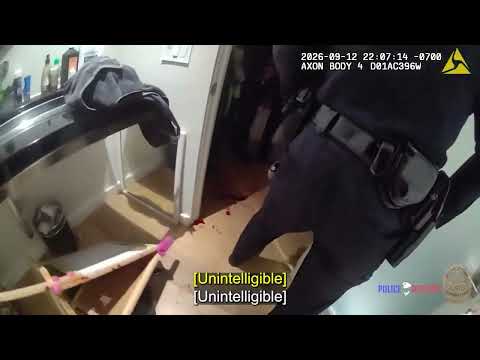
Immediately after the suspect was struck by gunfire and dropped the knife, the officers transitioned back into life saving mode. The source states that the officers immediately rendered medical aid to the suspect and placed him into custody. Simultaneously, they requested the response of the Los Angeles Fire Department to provide advanced medical intervention.
Standard police protocol mandates that officers provide first aid, such as applying tourniquets or performing chest compressions, as soon as a scene is secured following a shooting. This duty of care persists regardless of the suspect’s actions prior to the deployment of force. First responders from the fire department arrived at the scene to take over medical treatment from the officers.
Despite the combined efforts of the police officers and fire department personnel, the suspect failed to respond to medical treatment. The source confirms that the suspect was pronounced deceased at the scene. Autopsy reports and coroner findings released by local health authorities serve as the official public records that confirm the exact cause and manner of death in such investigations.
Evidence Recovery and Ongoing Departmental Review
Following the conclusion of the emergency medical response, investigators secured the area to process the physical evidence. The primary weapon involved in the incident, identified as a 13-inch kitchen knife with a 7.5-inch blade, was recovered at the scene and properly booked into evidence. Securing physical evidence is a cornerstone of any thorough investigation into an officer-involved shooting.
The description also notes that no police officers or additional community members sustained injuries during the entire course of the incident. While the absence of injuries among bystanders and officers is a positive outcome in terms of collateral safety, the loss of life requires extensive multi-agency scrutiny. Police departments typically release administrative updates, body worn camera footage, and investigative findings as transparency protocols dictate over the ensuing months.
Readers seeking to verify the details of this event should consult official press releases from the Los Angeles Police Department or reports published by municipal oversight agencies. Video aggregators provide initial raw summaries, but comprehensive public safety records, coroner reports, and district attorney evaluation letters provide the ultimate verification of how the incident is legally and administratively resolved.
Understanding the Limits of Public Safety Video Summaries
Online video channels play a significant role in distributing police footage to the public, but consumers must understand the limitations inherent in edited or summarized clips. These videos often condense lengthy police responses into brief segments that highlight the most dramatic moments of an encounter. Consequently, they do not replace formal investigative reports compiled by trained detectives and forensic specialists.
Due process guarantees that every incident undergoes meticulous examination to protect the constitutional rights of all parties involved, including the officers and any surviving individuals. Investigators analyze radio transmissions, 911 dispatch logs, body camera recordings, and ballistic evidence to construct a complete timeline. This methodical approach ensures that public safety policies are continuously evaluated and improved based on factual evidence rather than preliminary impressions.
As communities engage with public safety content online, critical media literacy remains essential. Viewers should look for corroborating reports from established news outlets and official municipal websites before drawing conclusions about complex law enforcement operations. By relying on verified public records and upholding the principles of due process, citizens can better understand the realities of modern policing and emergency response.
Evaluating Witness Statements and Tactical Coordination
When multiple officers arrive at a chaotic scene, effective tactical coordination depends on clear communication and assigned roles. The source notes that additional officers responded to the location specifically to form a team for taking the suspect into custody, reflecting standard protocol for managing armed individuals. Observers reviewing this coordination must consider how split-second teamwork alters the outcome of a volatile domestic disturbance.
Witness accounts, including statements from family members or bystanders inside the home, are routinely cross-referenced with officer body-worn camera audio to establish an accurate timeline. Investigating agencies interview all present individuals to clarify what was said, who held the weapon, and how physical movements occurred within the confined bedroom space. Such meticulous fact-finding prevents misinterpretations that can arise from partial video angles or heavily edited public uploads.
Independent oversight bodies evaluate whether the tactical buildup and eventual entry adhered to established de-escalation guidelines and safety regulations. While the available description outlines the sequence from arrival to the use of force, comprehensive administrative reviews look deeper into department training records, supervisor approvals, and radio logs to ensure total procedural transparency.
The Role of Forensic Specialists in Death Investigations
When a suspect or victim succumbs to injuries at a scene, forensic specialists and coroner investigators assume responsibility for documenting the physical evidence. The recovery of the 13-inch kitchen knife described in the source is just one part of a larger forensic protocol that includes trajectory analysis, gunshot residue testing, and DNA collection. These scientific methods help corroborate the physical actions of both the officers and the suspect during the confrontation.
The county coroner or medical examiner conducts an independent autopsy to determine the official cause and manner of death, providing an objective medical report separate from police accounts. This autopsy report, combined with toxicology screenings and forensic lab results, forms an indispensable component of the final investigative packet reviewed by prosecutors and civilian oversight boards. Public safety explainers underscore that definitive conclusions regarding any death require these formal medical findings rather than initial visual impressions from video clips.
Transparency demands that forensic conclusions be made accessible to the public and the family of the deceased through official reporting channels. By relying on coroner reports and investigative findings, communities gain a legally grounded understanding of the medical realities behind critical police encounters, reinforcing the importance of thorough institutional review.
Community Impact and Access to Public Records
Critical incidents occurring within residential neighborhoods leave lasting impressions on local residents, family members, and the broader community. Public safety news explainers strive to address these events with neutrality, emphasizing the importance of community dialogue, mental health resources, and access to verifiable public records. When domestic disputes escalate to lethal encounters, local support networks and intervention services often face renewed scrutiny regarding how to prevent crises before they require police intervention.
Accessing public records is a fundamental right that allows citizens to request police reports, 911 audio recordings, and body camera footage through established legal channels like the California Public Records Act. Navigating these bureaucratic procedures ensures that transparency is maintained and that public scrutiny is guided by verifiable documents rather than speculation on social media. Journalism focused on safety and accountability encourages readers to utilize these official avenues for deeper verification.
Ultimately, understanding police video content requires patience, adherence to due process, and a commitment to factual accuracy. By respecting the ongoing investigative process and examining all available institutional findings, communities can foster informed discussions on public safety, officer training, emergency medical response, and the complex realities of modern law enforcement.
More source-attributed coverage appears in the Crime News section.
Frequently asked questions
When did the incident in Los Angeles occur?
The incident occurred on September 12, 2026, at around 9:35 p.m.
What type of weapon was recovered at the scene?
A 13-inch kitchen knife with a 7.5-inch blade was recovered and booked into evidence.
Were any police officers injured during the confrontation?
No officers or additional community members were injured during the incident.
What happened to the initial victim of the cutting?
The initial victim was transported to a nearby hospital and is currently in stable condition.
What was the final outcome for the suspect?
The suspect was struck by gunfire, received medical aid from officers and the fire department, but was pronounced deceased at the scene.
Source video