
Austin Foot Chase Police Shooting Video: 7 Critical Source Facts
Austin foot chase police shooting video coverage should start with the source record, not social-media guesses. PoliceActivity posted a two-minute source video and summary about an Austin Police incident that began with 9-1-1 calls about a scooter rider, moved through a morning search, and ended with officers firing during a short foot pursuit.
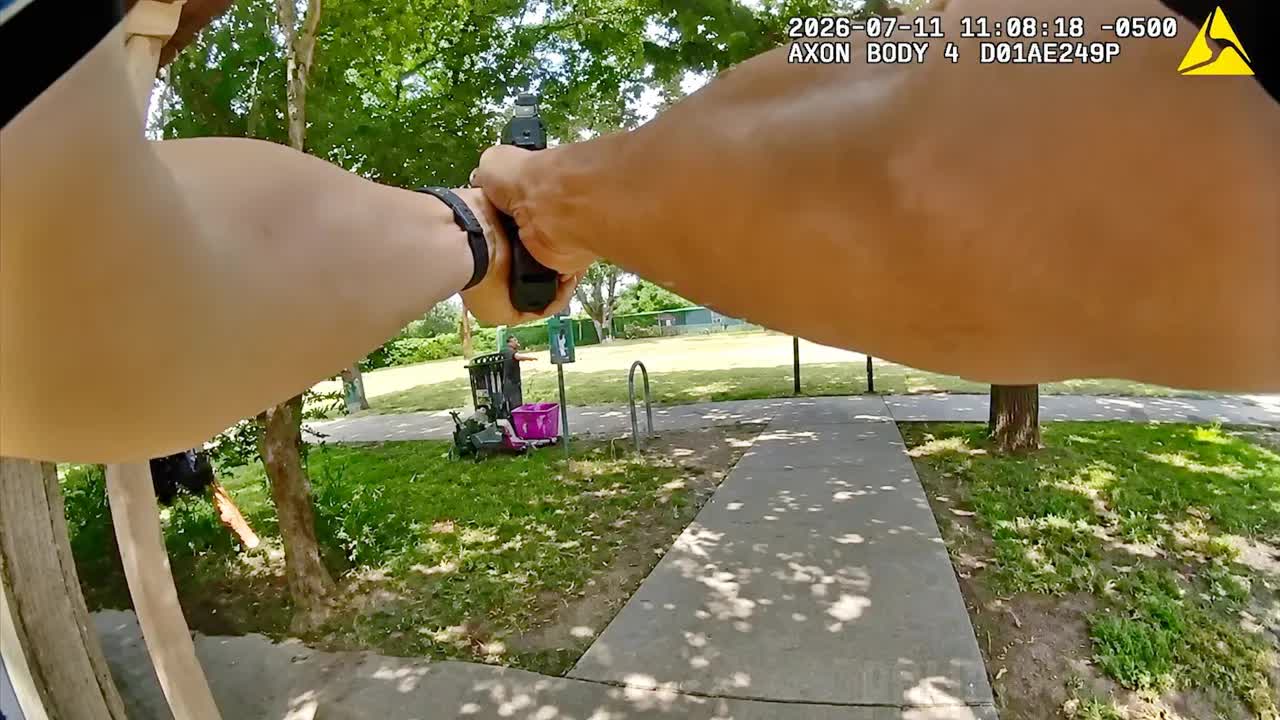
Table of Contents
What The Austin Foot Chase Police Shooting Video Says
The source is a PoliceActivity YouTube post titled Foot Chase Ends When Suspect Points Gun at Austin Officers. PoliceActivity presents the Austin foot chase police shooting video for educational and informational purposes, and its written summary attributes the underlying incident details to Austin Police and witness accounts. The video ID is wM5QULiRaGo, the upload date listed by YouTube metadata is July 13, 2026, and the runtime is about 2 minutes and 3 seconds.
The source summary says Austin Police officers were called on Saturday, July 11, 2026, after reports that a white male on an electric scooter was chasing and threatening runners with a handgun near West 5th Street and North Lamar Boulevard. That framing matters because the Austin foot chase police shooting video does not begin as a random street encounter. According to the source, officers were already responding to multiple emergency calls and gathering information before the later foot pursuit.
For readers, the safest way to read the Austin foot chase police shooting video is as a timeline of reported events. It shows and summarizes what officers were told, what they searched for, where they later found a matching individual, and how the encounter ended. It does not, by itself, answer every legal question about the shooting, the investigation, agency review, or possible litigation. Those questions need official follow-up records.
Austin Foot Chase Police Shooting Video Timeline
The PoliceActivity source summary gives a narrow timeline. It says the first 9-1-1 calls came at about 8:13 a.m. Officers arrived in the area at about 8:15 a.m., which the summary describes as roughly two minutes after the calls. That early response was not the shooting itself. It was the beginning of a search based on witness statements and descriptions.
During the morning, according to the source summary, officers collected witness information and reviewed surveillance video. At about 10:23 a.m., police checked around 1100 West Cesar Chavez Street and found a scooter they believed was connected to the person they were looking for. That detail is important because the scooter tied the later search back to the original 9-1-1 reports about a rider in the downtown Austin area.
The source says officers later located a person matching the description at about 11:07 a.m. near the Ann and Roy Butler Hike-and-Bike Trail, around B.R. Reynolds Drive and West Cesar Chavez Street. The person was later identified in the source summary as 29-year-old Emmanuel Diaz. PoliceActivity’s summary says officers saw him get on the scooter, gave commands to stop, and then pursued him after he left the scooter and ran.
The shooting itself is placed at about 11:08 a.m. in the source summary. According to that summary, officers said Diaz had a handgun, was ordered to drop it, continued running, fell, and pointed the firearm toward officers. The Austin foot chase police shooting video should therefore be read around this specific final sequence, not as a broader claim about every earlier allegation. The summary says Officer Collins and Officer Johns fired, striking Diaz. It also says officers began life-saving measures until Austin-Travis County Emergency Medical Services arrived.
What Police Said Happened Before Officers Found The Scooter
The public-safety question begins before the pursuit. The source summary says witnesses reported that the incident started after a runner told the scooter rider to slow down while riding on the sidewalk. According to the source, the exchange became a verbal altercation, and witnesses reported that the man used slurs toward the running group. Navyago is not independently verifying those witness statements here; they are included because they are part of the source record.
The same summary says the man struck a female victim, the situation became briefly physical, and the man then produced a handgun. PoliceActivity’s written source note says witnesses reported that the man pointed the handgun at multiple people and threatened to shoot them before leaving on the scooter. Those are serious allegations, so the wording needs to stay attached to the source rather than being presented as a court finding.
This type of detail is why a source-based recap should avoid turning a two-minute Austin foot chase police shooting video into a complete verdict. The video and description explain why officers were searching, what information they had, and why the later location of the scooter mattered. They do not replace a full investigative file, final administrative review, body-camera release packet, forensic record, or any court process that may follow.
Why The Foot Pursuit Became The Critical Moment
The Austin foot chase police shooting video centers on the short interval after officers found the person matching the description. According to the source summary, officers gave commands for him to stop. The summary says he abandoned the scooter and ran. Once the encounter moved from surveillance and searching into a foot pursuit, the key facts became officer commands, distance, visibility, whether a firearm was visible, and how quickly the final seconds unfolded.
PoliceActivity’s summary says officers observed that Diaz was armed with a handgun and ordered him to drop the weapon. The source says he did not comply and kept moving. It then says that as officers closed the distance, Diaz fell to the ground and pointed the firearm at officers. That is the specific claim that explains why the source title says the chase ended when a gun was pointed at Austin officers.
Readers should separate three layers: what the Austin foot chase police shooting video appears to show, what the written source summary says police reported, and what a later review may decide. A short source video can help the public understand sequence and proximity. It cannot fully show every radio call, witness statement, officer view, or policy standard that reviewers may consider. That distinction keeps the recap useful without overstating the source.
For a related source-video explainer about how a pursuit tactic can change risk in seconds, Navyago has also covered a police pursuit PIT maneuvers video. The common thread is not that every incident is the same. It is that readers need a clean timeline before forming a conclusion from a short clip.
What The Source Says Happened After Officers Fired
According to the PoliceActivity summary, Officer Collins and Officer Johns discharged their firearms at about 11:08 a.m., and Diaz was struck. The source says officers took him into custody and began life-saving measures. It also says Austin-Travis County Emergency Medical Services arrived, but Diaz was later pronounced deceased at the scene. The source reports no officer injuries and no reported injuries to members of the public.
That ending is the part most readers remember, but it is not the whole source record. The earlier reports, the alleged handgun threat toward runners, the search for the scooter, the location where officers found the matching person, and the commands during the pursuit all shape how the Austin foot chase police shooting video is presented. A responsible recap keeps those facts in order, because changing the order can change how a viewer understands the event.
The source does not provide every investigative document. It does not include the full police file, full witness interviews, all officer body-camera angles, or a final administrative decision. For that reason, this Austin foot chase police shooting video recap uses careful phrasing: police said, witnesses reported, the source summary says, and footage shows. That is the correct standard for a public-interest explainer based on one Austin foot chase police shooting video source.
What Readers Should Not Assume From A Short Video
The safest reading is narrow. The Austin foot chase police shooting video and description are useful for understanding the reported sequence, but they should not be used to make unsupported claims about guilt, intent, policy compliance, civil liability, or motive. Those questions depend on records that are usually outside the first public video release: investigative findings, department policy review, witness interviews, physical evidence, and any court filings.
It is also worth noting that names in a police source summary do not turn allegations into final findings. The source identifies Diaz and says officers connected him to a reported scooter-and-handgun incident. Navyago is presenting that as source-attributed information, not as an independent accusation beyond the record. If later official records add, correct, or narrow the facts, the public understanding of the incident can change.
This approach may feel slower than a viral reaction, but it is better for readers. A police video can be emotional and fast-moving. A source-based article should slow the Austin foot chase police shooting video down: who called 9-1-1, what officers were told, where the search moved, what commands were reportedly given, what the video shows near the end, and what remains unknown.
Public Safety Questions Raised By The Austin Source Video
The Austin foot chase police shooting video raises practical public-safety questions without requiring the article to speculate. One question is how quickly a sidewalk dispute can become dangerous when a firearm is alleged. Another is how police use witness descriptions and surveillance video to move from an initial call area to a later search area. A third question is how officers make split-second decisions when a person reportedly has a gun during a foot pursuit.
The source summary also highlights why location details matter. West 5th Street, North Lamar Boulevard, West Cesar Chavez Street, and the Ann and Roy Butler Hike-and-Bike Trail are busy Austin areas where runners, drivers, pedestrians, and officers can all be close together. A short pursuit near a public trail can create risk for more people than the officers and the person being pursued.
For readers who watch the embedded video, the best checklist is simple: compare the Austin foot chase police shooting video to the written source timeline, notice when officers begin giving commands, and keep track of what is visible versus what is reported in the description. That keeps the Austin foot chase police shooting video in a source-first frame instead of a reaction-first frame.
Source Video
FAQ
What is the Austin foot chase police shooting video about?
The Austin foot chase police shooting video is a PoliceActivity source video and written summary about a July 11, 2026 Austin Police incident that began with 9-1-1 calls about a scooter rider allegedly threatening runners and ended with officers firing during a foot pursuit.
Who is identified in the source summary?
The source summary identifies the man as 29-year-old Emmanuel Diaz. Navyago is presenting that identification as source-attributed information from PoliceActivity’s incident summary, not as an independent legal finding.
Does the video answer every legal question about the shooting?
No. The source video helps explain the sequence, but policy review, investigative records, witness interviews, and any court filings would be needed to answer broader legal questions.
Where can readers watch the original source video?
The original source video is embedded above and is also available at https://www.youtube.com/watch?v=wM5QULiRaGo.